Here’s what nobody tells you about Puglia’s beaches: they’re better than the Amalfi Coast.
I know that sounds bold. But after my third trip to Puglia, I’m convinced. The water is clearer, the towns are less touristy, and you won’t need a second mortgage to eat lunch with a sea view.
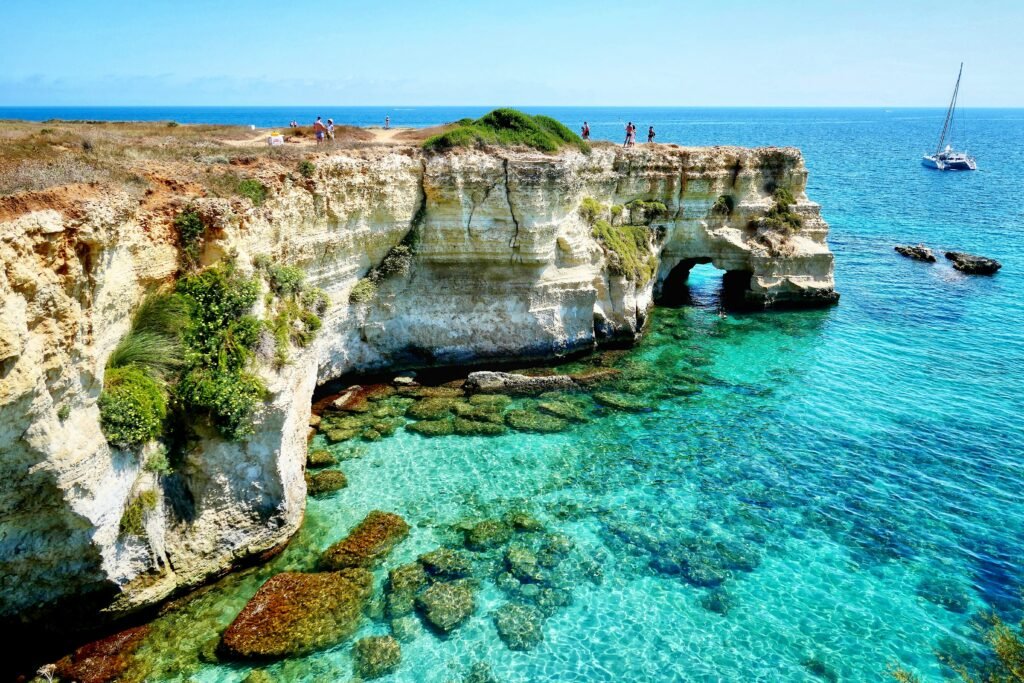
The Adriatic side gives you dramatic limestone cliffs and hidden coves. The Ionian side offers long sandy stretches perfect for families. And unlike the Amalfi Coast, you can actually find parking and book a beach umbrella without sacrificing your firstborn.
This post contains affiliate links.
NEW: Understanding Puglia Beaches Most Puglia beaches have both FREE public sections (spiaggia libera—bring your own towel and umbrella) and PAID lido sections with loungers, umbrellas, clean bathrooms, and bars serving food and drinks. Lidos cost €15-25 per day for 2 loungers + umbrella, and honestly? They’re worth it if you value comfort over saving €20. You get a guaranteed spot, shade, a bathroom that doesn’t make you cry, and someone bringing you cold drinks while you read.
When Should You Visit Puglia’s Beaches?
The best months to visit Puglia’s beaches are May, June, September, and early October, when water temperatures reach 20-25°C (68-77°F) and you’ll avoid both the scorching July-August heat and the massive crowds.
I learned this the hard way in August 2022. The temperature hit 38°C (100°F), every beach club was fully booked, and parking in Polignano felt like a competitive sport.
May and June are magical. The water is warm enough to swim comfortably, the wildflowers are blooming on the coastal cliffs, and the towns haven’t hit peak tourist season yet. You’ll pay 30-40% less for accommodations.
September and early October are equally perfect. The sea is at its warmest after months of summer sun, the towns breathe again after the August exodus, and you’ll actually meet locals instead of just other tourists.
Skip July and August unless you thrive in crowds and 35°C+ heat. Beach clubs charge premium rates, restaurants have hour-long waits, and every Instagram-famous spot is packed by 9 am.
Winter (November-March) is too cold for beach days. Water temperatures drop to 14-16°C (57-61°F), and many beach clubs and coastal restaurants close entirely.
Also read Amalfi Coast Itinerary Planning.
Do You Need a Car to Visit the Best Beach Towns in Puglia?
Yes, you need a car to explore Puglia’s best beach towns efficiently, though trains connect major spots like Bari, Polignano a Mare, and Monopoli along the Adriatic coast.
Trust me on this one. I tried the train-only approach my first trip and spent more time waiting at stations than actually enjoying beaches.
The train works fine if you’re sticking to Polignano and Monopoli. They’re both on the main Bari-Lecce line with frequent service (€3-5 per trip, 20-30 minutes between towns). You can easily do a day trip from either town.
But everything else? You need wheels. Castro, Torre Canne, the secret beaches near Otranto, the stunning Torre dell’Orso beach, the sea caves near Santa Cesarea Terme—none of these are accessible by public transport.
Rent a car for €30-50 per day and base yourself in one town for 3-4 nights. The driving is straightforward, parking is manageable outside of August, and you’ll be able to chase the best weather and explore multiple beaches in one day.
The Salento peninsula (southern Puglia) especially demands a car. Towns are spread out, bus service is minimal, and you’ll want the freedom to discover those “I can’t believe nobody else is here” beaches that make Puglia special.
One exception: if you’re staying in Bari and only visiting Polignano for the day, take the train. It’s faster than dealing with Bari’s traffic and finding parking.
Find great rental cars in Italy.
Also check out Where to Stay in Puglia without a Car.
Also, check out my Puglia Airport Guide.
Polignano a Mare: Instagram-Famous for Good Reason
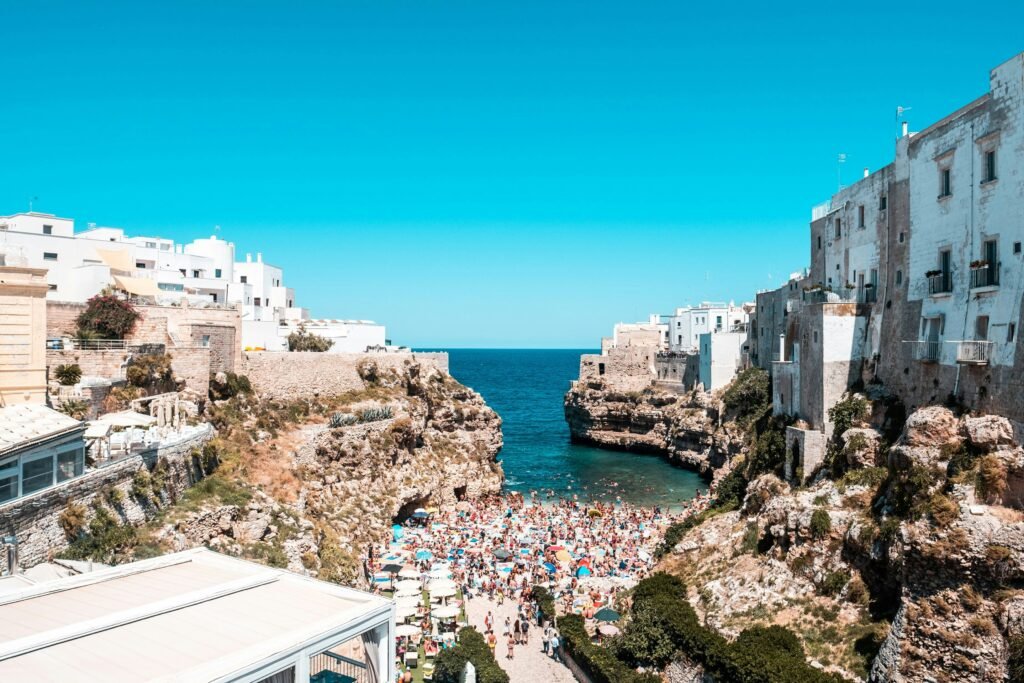
Polignano a Mare sits on dramatic limestone cliffs 25 meters above the Adriatic Sea, offering stunning views, crystal-clear coves, and the most photographed beach in Puglia—all 15 minutes by train from Bari.
This town gave me the travel moment I’ll never forget: standing on the cliff edge at sunset, watching cliff divers launch themselves into the turquoise water while elderly couples danced to live music in the piazza behind me.
Yes, Polignano is touristy. But it earned that status honestly.
The old town is carved into white limestone cliffs. You’ll walk through narrow alleys that suddenly open to jaw-dropping views of the sea. The main beach, Lama Monachile, sits in a small cove framed by rock walls and topped by an ancient bridge.
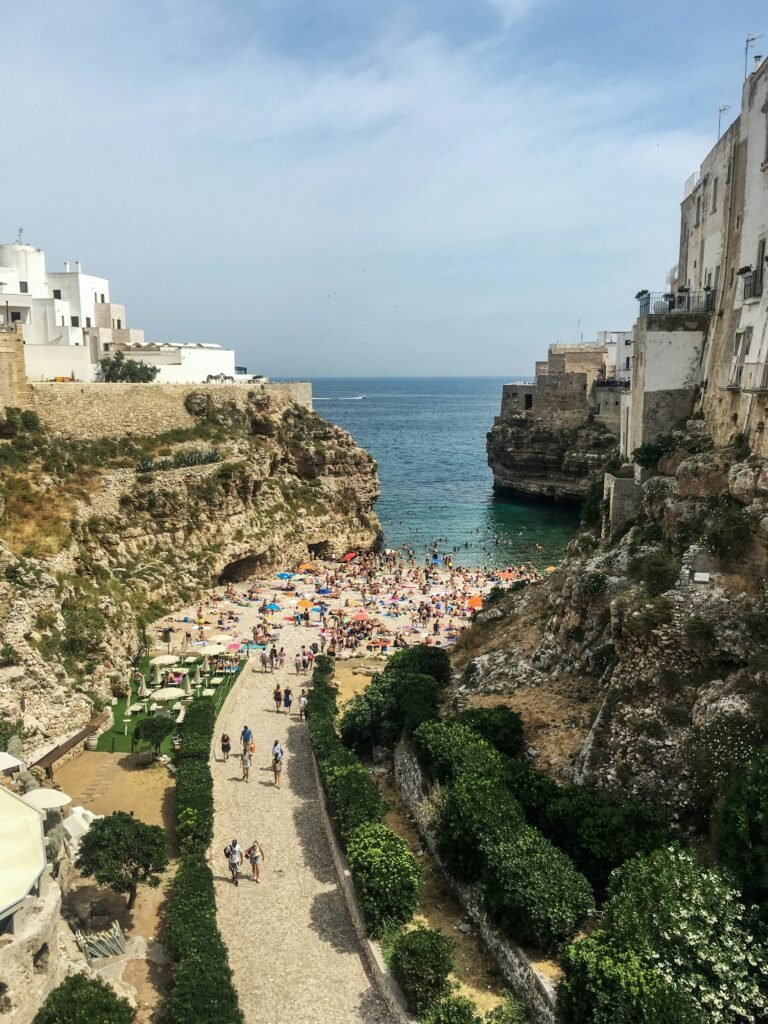
Get there by 8:30am in summer or forget about finding a good spot. The beach is tiny. I’m talking maybe 50 meters of sand. By 10am, you’re playing beach towel Tetris.
NEW: Parking in Polignano Arrive by 9am or parking becomes a nightmare. The paid lot at Via San Vito (€2/hour) fills completely by 10am in summer. Alternative: park at Parcheggio Enzo Spinelli (€1.50/hour) about 10 minutes walk from the old town, or take the train from Bari and skip the parking stress entirely.
For a less crowded experience, head to Cala Porto or Cala Paura just north of town. These rocky coves offer excellent swimming and easy access via stairs from the clifftop walking path.
NEW: Beach food The lido at Lama Monachile serves excellent panzerotti (fried calzones stuffed with mozzarella and tomato) for €4-5. Grab one mid-afternoon when you’re getting hungry but don’t want to leave the beach yet.
Where to stay: Book an apartment in the old town for €80-120 per night. Hotels with sea views run €150-250. The town is walkable, so location matters less than having air conditioning (trust me).
The restaurant scene is solid but inflated. Expect €15-20 for pasta, €25-35 for seafood mains. Grotta Palazzese (the cave restaurant) is stunning but wildly overpriced at €250+ per person. Save your money.
Best for: Couples and solo travelers who don’t mind crowds for incredible scenery. Not ideal for families with young kids—the main beach is tiny and gets packed.
Monopoli: Where Locals Actually Vacation
Monopoli offers 15 kilometers of accessible beaches, a charming historic center, and authentic Puglian life without the tour bus crowds—making it the perfect base for exploring the central Adriatic coast.
I stayed in Monopoli for four nights and only left because I had to catch a flight. This town gets it right.
The old town wraps around a small fishing harbor. You’ll find families swimming at Cala Porta Vecchia (the beach right in the historic center), fishermen mending nets on the dock, and that rare thing in Italian beach towns: parking you can actually find.
The best beaches stretch south of town. Cala Corvina and Lido Sabbiadoro offer beach club setups (umbrella and two loungers for €15-20 per day) with actual sand instead of rocks. The water is impossibly clear—I could see my feet in 3 meters of depth.
Santo Stefano beach, 5 minutes north of town, is where I found my happy place. Free public beach, shallow water perfect for kids, and a family-run lido serving fresh grilled fish for €12.
NEW: Parking in Monopoli Free street parking is available south of the center near Cala Corvina, but arrive before 10am in summer. The paid lot at Porto Vecchio (€1/hour) rarely fills completely and puts you right in the old town.
NEW: Beach food Santo Stefano’s beach kiosk makes incredible frisella—crunchy bread rounds soaked in tomato water, topped with fresh tomatoes, olive oil, and oregano. It’s the perfect light lunch for €5-6 that won’t make you too full to swim.
The town feels real. You’ll see Italian families on vacation, not just tourists doing the highlights. Restaurants serve honest food at honest prices (€10-15 for excellent pasta, €18-25 for fish).
Where to stay: Apartments in the old town run €60-90 per night. Beach hotels south of the center cost €100-150. I’d pick the old town—you can walk to beaches in 10 minutes and actually enjoy the evening passeggiata.
Pro tip: The Sunday morning market near the castle is magnificent. Fresh burrata, sun-dried tomatoes, local olive oil, and the energy of a proper Italian market.
Best for: Families with kids (shallow water at Santo Stefano), budget travelers, and anyone who wants authentic Italian beach town life without the Instagram crowds.
Otranto: Where the Adriatic Meets the Ionian
Otranto combines a spectacular walled old town, accessible town beaches, and proximity to some of Puglia’s wildest coastal scenery, all at the southeastern tip where the Adriatic and Ionian seas meet.
The old town sits inside medieval walls that drop straight into the sea. The cathedral alone is worth the trip—its floor is covered in a 12th-century mosaic that took me an hour to fully appreciate.
The town beach (Baia dei Turchi) offers 400 meters of white sand and turquoise water 4 kilometers north of the center. You’ll need that car I mentioned. The beach gets crowded but never unbearably so. Arrive by 10am for parking and a decent spot.
NEW: Parking at Baia dei Turchi The beach parking lot (€5/day in summer) fills by 11am on weekends. Alternative: park at the free lot 10 minutes walk away near the entrance road, or visit on weekdays when it’s less packed.
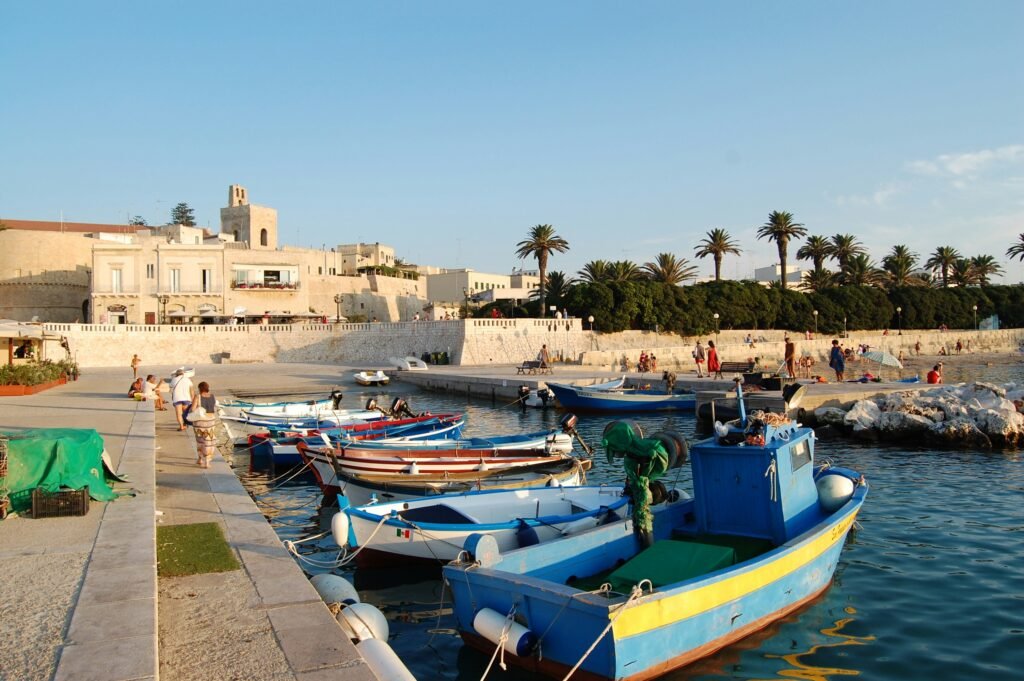
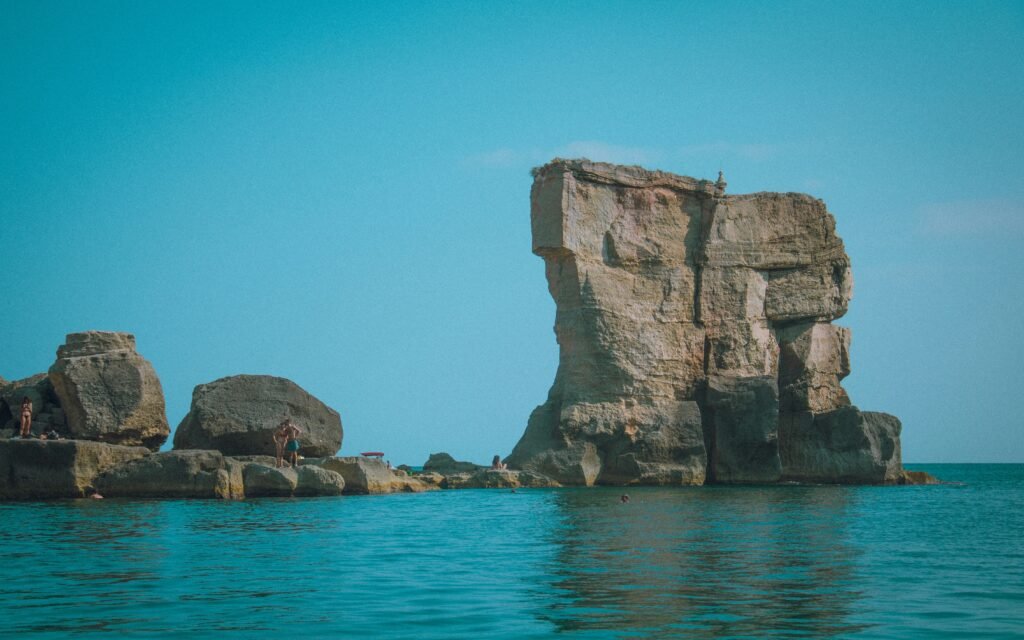
For my money, the most beautiful beach near Otranto is Torre dell’Orso, 15 minutes north. Two massive limestone stacks rise from crystal-clear water, and the 800-meter crescent of sand gives you space to breathe. Beach clubs charge €15-25 for umbrella and loungers, or bring your own gear and set up on the free sections.
NEW: Water activities Torre dell’Orso and Porto Badisco (20 minutes south) offer kayak and SUP rentals (€15-20/hour). The calm, clear water makes them perfect for beginners, and paddling into the small coves is genuinely fun.
Head south for dramatic coastal scenery. The coast road from Otranto to Santa Maria di Leuca is stunning—white cliffs, hidden coves, and tiny beaches accessible only by scrambling down rocks. Pack water shoes. The rocks are slippery.
NEW: Beach safety Most lido beaches in Otranto have lifeguards in summer (June-September). Free public beach sections typically don’t. The water is generally calm, but strong currents can develop near rocky points—stay between the flags at supervised beaches.
Where to stay: Old town apartments cost €70-110 per night. Hotels with sea views run €120-200. The old town gets lively at night (in a good way), so light sleepers might prefer accommodation near the beaches.
The restaurant quality here impressed me. Seafood is caught locally and priced fairly (€12-18 for pasta with seafood, €20-30 for grilled fish). Try the raw seafood appetizers if you’re adventurous—the fish is so fresh it’s still arguing about whether to be eaten.
Best for: Couples who want a mix of culture and beach, history lovers, and anyone who wants stunning coastal drives between swim stops.
Castro: The Secret the Italians Keep to Themselves
Castro perches on cliffs 30 meters above the sea, offering spectacular coastal caves, thermal springs, and some of the clearest water in Puglia—all with almost no foreign tourists.
I found Castro by accident when a local in Otranto told me, “If you want to see what Puglia looked like before everyone discovered it, go to Castro.”
He was right.
The upper town (Castro Superiore) sits on the clifftop. The lower marina (Castro Marina) hugs the waterfront. Stone steps connect them—about 10 minutes of climbing that’ll remind you of all that pasta you’ve been eating.
The real magic is the water. Castro Marina’s small swimming area offers 15-meter visibility. I could see tiny fish darting between rocks from the surface. Beach clubs charge €15-20 for loungers, but honestly, the free rocky areas are just as good.
NEW: Snorkeling in Castro The rocky coastline makes this one of Puglia’s best snorkeling spots. Bring your own gear or rent from the dive shop at the marina (€10/day). The best snorkeling is around the rocks near Zinzulusa Cave entrance.
NEW: Parking Castro Marina has limited parking—arrive before 10am or park in Castro Superiore (free) and walk down the steps (10 minutes, decent workout).
Zinzulusa Cave, 5 minutes south, is a sea cave you can tour by boat (€7, 30 minutes). The cave temperature stays at 18°C year-round, and stalactites drop into emerald-green water. Go in the morning before the boats from Otranto arrive.
Where to stay: Options are limited. Small hotels run €80-140 per night. Book early for June and September—this is where Italian families return year after year, and they book their spots in January. Find Puglia Stay.
Restaurants here serve the best seafood I’ve had in Puglia, probably because the boats dock literally 50 meters from the kitchen. Expect to pay €15-25 for pasta, €25-35 for grilled fish. The portions are generous—share an appetizer.
Fair warning: Castro is quiet. Like, “three restaurants and everyone knows everyone” quiet. If you want nightlife, stay in Otranto. If you want peace and impossibly clear water, this is your spot.
Best for: Couples seeking peace and quiet, snorkeling enthusiasts, anyone who wants to experience authentic Puglia before it gets discovered.
Torre Canne: Where Thermal Springs Meet the Sea
Torre Canne offers therapeutic thermal springs, long sandy beaches, and excellent value accommodations on the central Adriatic coast between Monopoli and Brindisi.
This town won’t show up on Instagram highlight reels. And that’s exactly why I’m including it.
Torre Canne is a proper beach resort town—the kind where Italian families book the same apartment year after year, kids run freely between the beach and gelato shops, and dinner is a multigenerational affair at outdoor restaurants.
The thermal baths are the draw. Natural hot springs emerge near the beach, creating pools of warm mineral water known for treating skin conditions and arthritis. The water smells slightly sulfuric (won’t lie), but locals swear by the health benefits.
The beach itself stretches for 2 kilometers—actual sand, not rocks. Beach clubs charge €12-18 for umbrella and loungers (cheaper than Polignano or Otranto). The water is shallow for the first 30-40 meters, making this ideal if you’re traveling with kids.
NEW: Parking Torre Canne has the easiest parking of any beach town I visited—large free lot right behind the beach that rarely fills completely. This alone makes it worth considering if you’re tired of parking stress.
NEW: Beach food The beach kiosks here serve sgagliozze (fried polenta squares—a Barese specialty) for €3-4. They’re addictively salty and crunchy, perfect with a cold beer mid-afternoon.
Where to stay: This is where Puglia gets affordable. Three-star hotels with beach access run €70-120 per night including breakfast. Apartments cost €50-80. You’re paying less because Torre Canne doesn’t have the historic center or Instagram appeal of other towns. Find Torre Canne Hotels.
But here’s what it does have: authentic beach vacation vibes. No crowds taking photos for content. No overpriced restaurants serving mediocre food to tourists who’ll never return. Just Italian families doing what they’ve done for decades—swimming, eating, napping, repeat.
The town sits perfectly between Monopoli (20 minutes north) and Ostuni (15 minutes inland). Use it as your base and explore.
Best for: Families with young kids (shallow water, easy parking, affordable), budget travelers, anyone seeking authentic Italian beach resort experience.
Beyond the Main Beach Towns: Hidden Gems for Fewer Crowds
If the five towns above sound too popular, or if you’re on your second or third Puglia trip, these lesser-known beaches offer even more solitude and equally stunning water.
Marina di Pescoluse (The Maldives of Salento)
Located on the Ionian coast near the tip of Puglia’s heel, Marina di Pescoluse earned its “Maldives” nickname honestly—white sand, shallow turquoise water, and Caribbean vibes you wouldn’t expect in Italy.
This is about 1.5 hours from Otranto, making it a long day trip or better as an overnight. The beach stretches for kilometers with both free public sections and affordable lidos (€12-18/day). The water stays shallow for 50+ meters, which is perfect for kids but also means adults can walk out far and still stand.
The downside? It gets packed in August with Italian families. Visit in June or September for a more peaceful experience.
Punta Prosciutto
Just north of Porto Cesareo on the Ionian coast, Punta Prosciutto combines soft white sand with dunes and Mediterranean vegetation—it feels more remote than it actually is.
The beach has a Blue Flag for water quality and environmental standards. There’s a mix of free beach and lido sections. The water is spectacularly clear with that bright turquoise color that looks fake in photos but is 100% real.
Parking fills early (arrive by 9:30am in summer). The drive from Lecce is about 45 minutes, from Otranto about an hour.
Porto Selvaggio Nature Reserve
This protected nature reserve near Noto offers rocky coastline, pine forests, and some of the clearest water in Puglia—but you’ll work for it.
There are no facilities here. No lidos, no beach bars, no bathrooms. You park at the reserve entrance (€5) and hike 15 minutes down through pine forest to reach the small coves. The “beach” is mostly rocks and platforms, so bring water shoes.
But the water? Absolutely incredible. Deep emerald green, visibility for meters, and usually just a handful of people because most tourists want easier beach access.
Pack everything you need—water, snacks, umbrella. This is for people who want nature over convenience.