I need to be straight with you: Semana Santa in Seville is not just a pretty procession you wander past. It will stop you completely. You will stand on a cobblestone street at midnight, candle smoke in the air, a brass band shaking your chest, and you will feel something you did not expect to feel — something old and enormous and completely alive.
This is the kind of travel that changes your relationship with a place. And if you are planning to witness it in 2026, you need to plan now. Seville hotels sell out months in advance, procession routes fill up fast, and showing up without a plan means missing the moments that matter most.
This guide has everything: dates, the best processions to see, where to stay, what to eat, how to navigate the crowds, and exactly where to book. Let’s go.
When Is Semana Santa in Seville 2026?
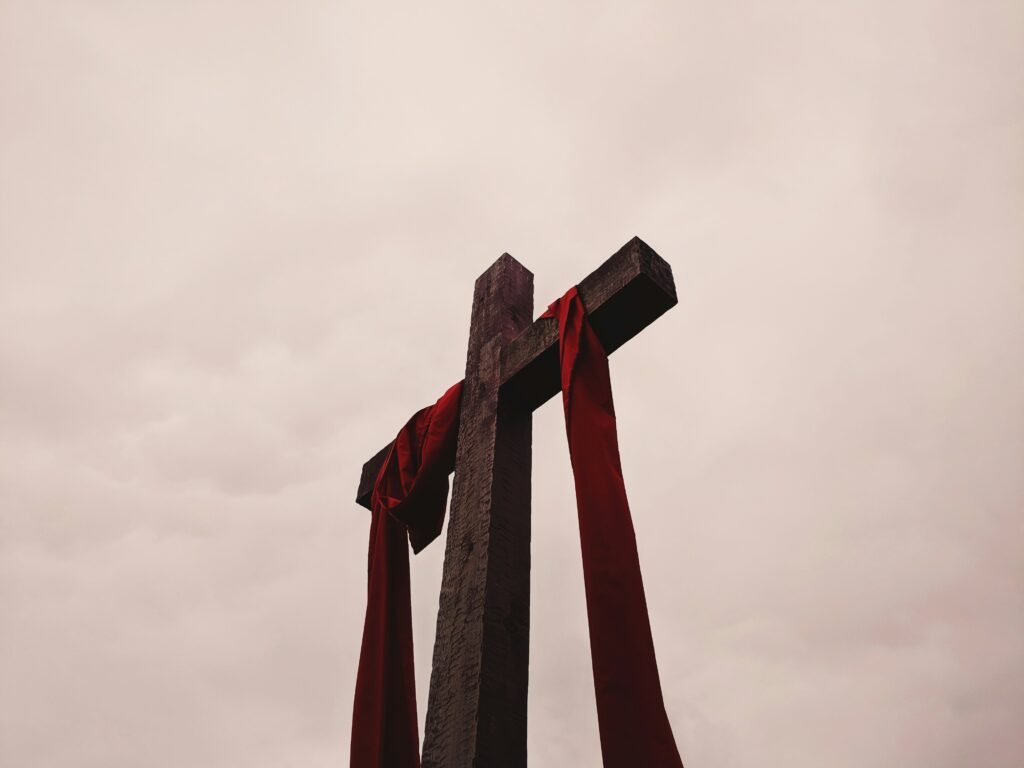
Semana Santa 2026 runs from Palm Sunday, March 29 through Easter Sunday, April 5. These eight days are the heart of Seville’s religious calendar — and one of the most dramatic cultural events in all of Europe.
Each day has its own processions, its own emotional character, and its own rhythms. Some days are solemn and devastating. Some feel festive and exuberant. Wednesday and Good Friday are widely considered the most intense.
Key 2026 Seville Holy Week Dates at a Glance
| Date | Day | What to Know |
| March 29 | Palm Sunday (Domingo de Ramos) | Opening day — El Silencio and La Macarena. Festive energy, olive branches everywhere. |
| March 30 | Monday (Lunes Santo) | Quieter processions, good for first-timers to get oriented without overwhelming crowds. |
| March 31 | Tuesday (Martes Santo) | More brotherhoods take to the streets. Pace builds throughout the day. |
| April 1 | Wednesday (Miércoles Santo) | One of the most powerful nights. La Esperanza Trianera processes late. |
| April 2 | Holy Thursday (Jueves Santo) | Major brotherhoods including Jesús del Gran Poder. Streets pack early. |
| April 3 | Good Friday (Viernes Santo) | The most emotionally charged day. La Macarena and El Cachorro process. Many businesses closed. |
| April 4 | Holy Saturday (Sábado Santo) | Fewer processions, quieter — good day to explore the city and recover. |
| April 5 | Easter Sunday (Domingo de Resurrección) | Joyful close to Holy Week. City exhales. |
What Is Semana Santa? (And Why It’s Different From Anything You’ve Seen)
Semana Santa is not a parade. It is a deeply personal religious observance that has been practiced in Seville for over 500 years — and it shows.
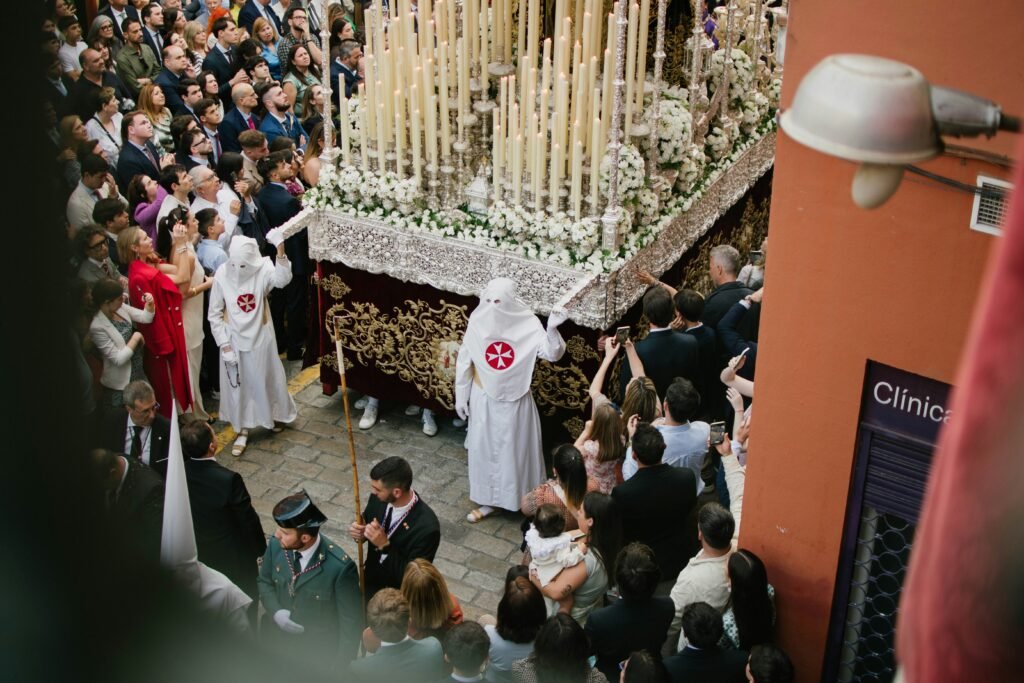
More than 60 brotherhoods (hermandades) participate, each with roots in a specific neighborhood or church. Each brotherhood processes with two enormous floats (pasos): one bearing a sculpture of Christ at a moment of the Passion, the other carrying the Virgin Mary in mourning. These floats weigh up to 5,000 kilograms and are carried entirely by hidden bearers (costaleros) working in complete darkness.
In front of and behind each float walk the nazarenos — penitents in tall conical hoods and robes, carrying candles. The hoods look startling to first-time visitors (yes, they predate and have no connection to the KKK by centuries). The colors vary by brotherhood and carry specific meaning.
When a singer breaks into a saeta — an improvised flamenco lament — from a balcony above a passing float, the entire procession stops. The music rises. The crowd goes silent. If this doesn’t make the hair stand up on your arms, check your pulse.
📌 Planning to experience Seville during Holy Week? A guided procession tour is the smartest first move — guides position you at the right spots at the right times so you don’t spend half the night in the wrong street. Find tours on GetYourGuide.
Also check out One Day in Seville.
The Processions You Cannot Miss
Not all 60+ processions carry the same emotional weight. These are the ones that locals clear their calendars for.
La Macarena (Good Friday, early morning)
The most famous brotherhood in Seville. The Virgen de la Esperanza Macarena — with her golden crown and tear-streaked cheeks — is the most venerated image in all of Andalusia. She processes out of the Basilica de la Macarena in the early hours of Good Friday and returns after dawn. Thousands line the streets. Grown adults weep. This is the one.
El Gran Poder (Holy Thursday)
Jesús del Gran Poder is the male counterpart to La Macarena — the Christ figure that Seville loves with the same fierce devotion. His brotherhood is one of the oldest. The procession on Holy Thursday is long, dignified, and overwhelming.
La Esperanza de Triana (Wednesday night)
Triana is Seville’s most passionate neighborhood — the birthplace of flamenco, ceramics, and some very strong opinions about whose Virgin is more beautiful. La Esperanza de Triana processes Wednesday night and crosses the Triana Bridge back to her church in a moment that makes the crowd go absolutely wild. Position yourself on the bridge.
El Silencio (Palm Sunday, midnight)
The oldest brotherhood in Seville, processing in complete silence. No music, no talking. Just the shuffle of feet, the smell of wax, and a city holding its breath. Short but devastating.
El Cachorro (Good Friday)
The Cristo del Cachorro in the Triana neighborhood carries a face of such raw anguish that people have been moved by it for centuries. The legend goes that it was sculpted from the face of a dying gypsy. Whether true or not, you’ll believe it when you see it.
📌 GYG (GetYourGuide) has excellent Semana Santa experience tours, including guided procession walks, tapas and flamenco evenings, and behind-the-scenes brotherhood access. Booking ahead is essential — these sell out.
Where to Stay in Seville for Semana Santa 2026
Book your hotel immediately. Seville accommodations during Holy Week sell out 3–6 months in advance, and prices spike significantly from the week before.
Here’s the honest breakdown of neighborhoods by proximity and vibe:
| Neighborhood | Price Range | Vibe | Best For |
|---|---|---|---|
| Santa Cruz / Old City | €€€–€€€€ | Central, historic, atmospheric | First-timers; walking distance to everything |
| El Centro | €€–€€€ | Bustling, central, great tapas bars | Families; good value with easy access |
| Triana | €€–€€€ | Authentic, local, flamenco culture | Anyone who wants to experience the real Seville + incredible bridge moment |
| Alameda de Hércules | €–€€ | Bohemian, bars, less touristy | Budget-conscious travelers; nightlife crowd |
| La Macarena (neighborhood) | €–€€€ | Neighborhood feel, authentic | Anyone wanting front-row access to La Macarena procession |
📌 Compre in Seville for Holy Week — filter by neighborhood, dates, and budget. Seville fills fast during Semana Santa. Don’t wait. Check out Hotels.com and Expedia for deals.
Pro tip: If you can’t get a hotel inside the city at a reasonable price, look at towns 20–30 minutes out (Dos Hermanas, Alcalá de Guadaíra) and commute in. Trains run frequently and parking near the historic center during Semana Santa is essentially a myth.
Getting There: Flights and Getting Around Seville
Seville’s airport (SVQ) receives direct flights from several European cities, but most North American travelers connect through Madrid (MAD) or Barcelona (BCN). Both have frequent high-speed AVE train connections to Seville (roughly 2.5 hours from Madrid, about 5.5 hours from Barcelona).
Inside Seville during Holy Week, forget about driving. The procession routes close off huge swaths of the old city for hours at a time. Taxis get stuck. Walking is genuinely the best strategy — and part of the experience.
Semana Santa Travel Tip: Download the official Semana Santa Seville app before you arrive. It has real-time procession schedules and locations. It will save you from the very specific frustration of sprinting to a street that the procession left twenty minutes ago.
📌 Traveling internationally for Holy Week? Travel insurance is worth it here — flights can be disrupted, hotels have strict cancellation policies during events, and medical coverage abroad is non-negotiable. Check options through Yonder Insurance for visitor-friendly coverage before you book.
What to Eat During Semana Santa in Seville
Seville during Holy Week is also a food event. Most restaurants are open, tapas bars are packed, and the streets smell of incense and fried fish in equal measure.
There are foods tied specifically to this week. Torrijas are the Holy Week dessert — bread soaked in milk and egg, fried and soaked in honey or syrup, similar to French toast but richer. Every bakery and bar has them. You will eat approximately nine of them.
Pestiños are fried pastries coated in honey or sugar — another Semana Santa tradition made by the brotherhoods and sold on street corners. They are dangerously addictive.
For proper meals, head to the neighborhoods slightly outside the main procession routes: Triana for the most authentic tapas experience, or the area around Alameda de Hércules for excellent value and local flavor.
Honest tip: Restaurants in the heart of the old city will be extremely crowded from about 8pm onward during procession nights. Eat early (7pm, like an actual tourist) or late (after 11pm, after the first wave passes). The middle window is chaos.
📌 Looking for a curated food experience? Tapas tours and flamenco dinner shows book up fast during Holy Week — search GetYourGuide for Seville food tours with availability during your dates.
Practical Tips for First-Timers in Seville
What to Wear
Seville in late March can be warm during the day (15–22°C / 59–72°F) and cool at night (8–13°C / 46–55°F). Layer up. You will be standing outside for long stretches at night. Comfortable shoes are non-negotiable — cobblestones plus hours of standing is a humbling combination.
Navigating the Crowds
- Arrive at least 45 minutes early to secure a spot on the main route
- The Cathedral and La Campana intersection have the densest crowds — and the best views if you plan ahead
- Side streets often give you a more intimate, less jostling view of the processions passing
- Google Maps is mostly useless during procession hours — roads are closed and the app doesn’t know
- The official app or printed programs from tourist offices are more reliable
Viewing Stands (Sillas and Palcos)
Paid bleacher seats are set up along the official route, particularly near the Cathedral. They offer elevated views and guaranteed spots. You can purchase them through the official Seville tourism office or through tour operators. Prices range from €20–80 depending on location and night. Totally worth it for Good Friday if your budget allows.
Photography
You can absolutely photograph the processions. Flash is frowned upon during solemn moments and when costaleros are under the float. Use discretion — you are a guest in someone else’s sacred tradition. That said, the candlelight and smoke create some of the most extraordinary photography conditions you will ever encounter.
Is Semana Santa Right for Your Family?
Honestly, it depends on your kids’ ages and temperaments. Young children (under 7 or 8) often find the late nights, large crowds, and intense atmosphere overwhelming. Older kids and teenagers frequently find it genuinely fascinating.
The penitents in their robes can be startling for younger children who don’t have context for what they’re seeing. Brief them ahead of time.
What works well for families: daytime processions (especially Palm Sunday with the festive atmosphere and olive branches), early evening viewing before the late-night intensity, and base camps in less congested side streets where kids have room to move.
What doesn’t work as well: the Wednesday and Good Friday late-night processions with massive crowds and very late hours (some run past 2am). Save those for adult trips.
Beyond the Processions: What Else to Do in Seville During Holy Week
Even between processions, Seville rewards exploration. This is one of the most beautiful cities in Europe and Holy Week is when it’s at its most alive.
- Real Alcázar: Book tickets in advance. The palace and gardens are extraordinary, and the crowds are often inside watching processions rather than visiting museums.
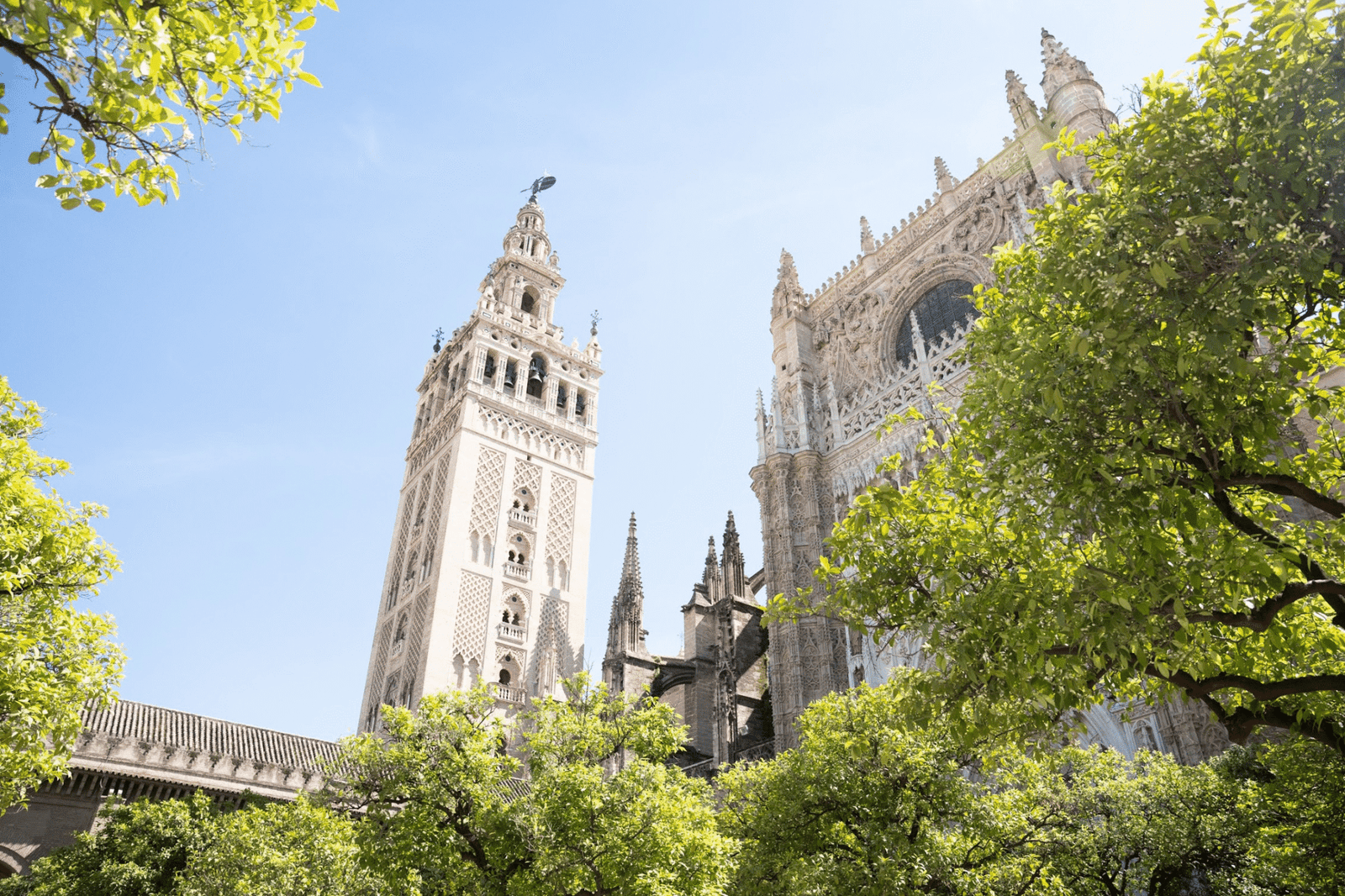
- Seville Cathedral and La Giralda: Climb the tower for views over the city. Go in the early morning before procession crowds build.
- Triana neighborhood: Cross the Triana Bridge and spend a morning in the ceramic workshops, the market, and the tapas bars of Calle Betis.
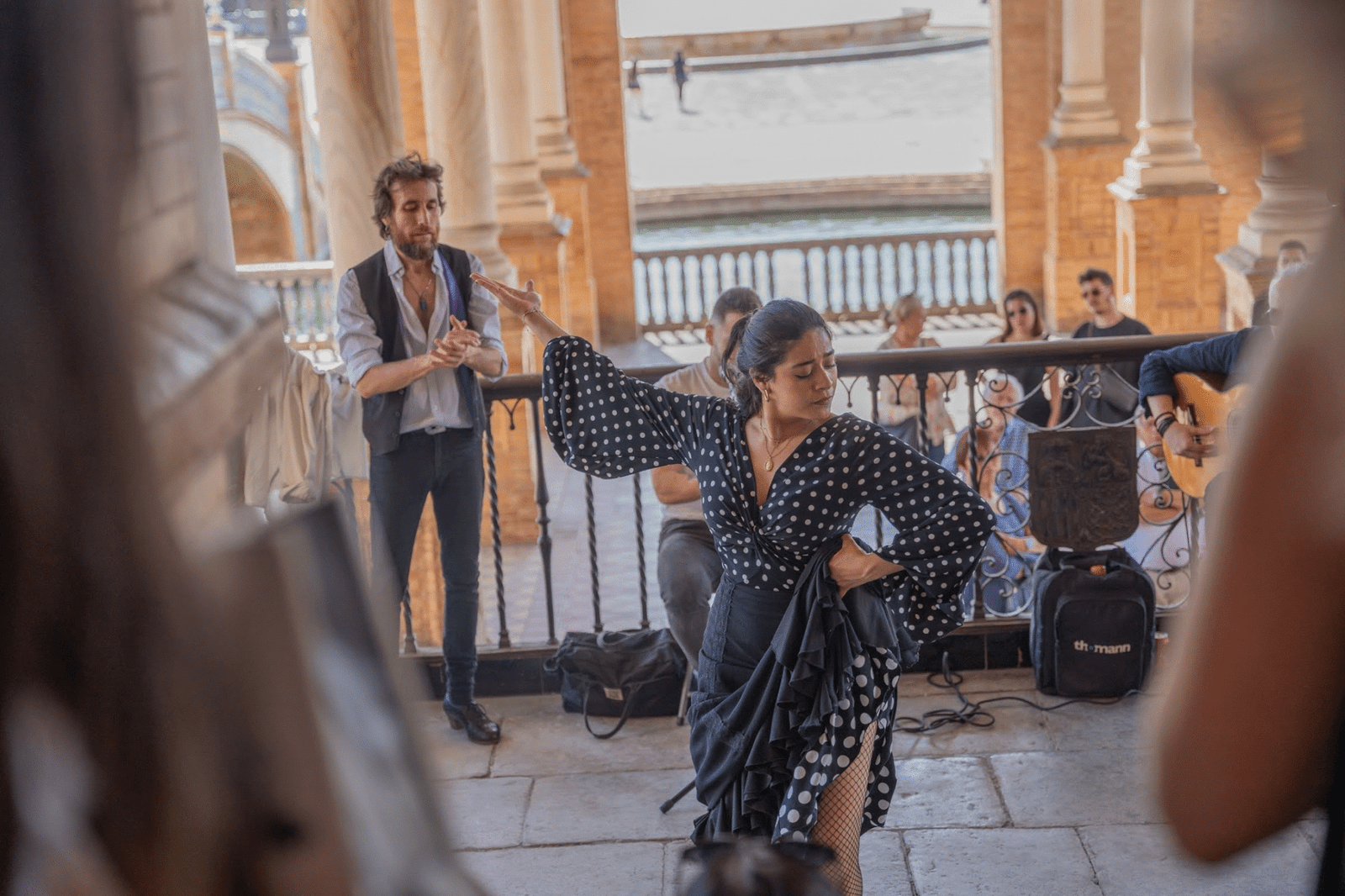
- Flamenco show: Seville is the home of flamenco. See a live show in an intimate tablao. This is not an add-on — it’s essential.
- Parque de María Luisa: A genuine exhale from the intensity. The Plaza de España within the park is surreally beautiful.
📌 Book flamenco shows, Alcázar tickets, and cathedral tours in advance through GetYourGuide — during Holy Week, walk-in availability for popular experiences drops significantly.
How Many Days Do You Need for Semana Santa in Seville?
Minimum 3 days, ideal 5–7 days. Here’s why: the emotional arc of Holy Week builds across the week. If you only come for two days, you’ll likely catch either the opening energy (Palm Sunday) or the intensity peak (Wednesday–Friday), but not the full journey.
If you have 7 days, stay for the whole week. That said, even 3 days with smart timing — arriving Wednesday, experiencing Thursday and Friday nights, leaving Saturday — gives you the heart of it.Fuse Travel Insight: If budget or time means choosing between Semana Santa and another trip to Spain, choose Semana Santa. I’ve been all over Europe and I can’t think of many cultural experiences that match this one for sheer intensity, beauty, and emotional staying power.
FAQ: Semana Santa Seville 2026
Is Semana Santa in Seville free to attend?
The street processions are completely free to watch. Paid bleacher seats along the official route cost €20–80. Guided tours, flamenco shows, and museum tickets are additional.
Do I need to book tours in advance?
Yes, absolutely. Good procession tours and flamenco shows sell out weeks before Holy Week. Book as early as possible — the good time slots go first.
What if it rains during Semana Santa?
Rain is the great drama of Holy Week. Processions can be suspended or postponed if rain is heavy — the floats and costumes cannot get wet. If a procession is called off, the brotherhood returns to their church and the crowds follow. It’s still an experience, just a different one. Check local Seville news for real-time updates during your visit.
Is Semana Santa appropriate for non-Catholic visitors?
Absolutely. Most visitors to Semana Santa are not Catholic, or not practicing. This is a cultural and artistic event as much as a religious one. Respectful curiosity is welcome. The brotherhoods process through public streets for the public to witness.
How do I protect myself with travel insurance for a big event trip?
Event travel carries specific risks — cancelled flights, hotel no-show policies, medical emergencies abroad. Travel insurance that covers trip interruption and medical evacuation is smart for any international trip, especially one built around a specific event. Check coverage options through Yonder before you finalize bookings.
Can I visit Seville just for the day during Holy Week?
You can, but I wouldn’t. The logistics are genuinely difficult — train and bus stations are packed, city transport is disrupted, and you’ll spend half your time navigating rather than experiencing. If you’re coming from Madrid or elsewhere in Spain, an overnight minimum makes the whole thing dramatically better.
Final Word: Should You Go?
Yes. Full stop.
Semana Santa in Seville is the kind of experience that stays with you. Not because it’s beautiful — though it is, extravagantly so. But because it’s real. These processions aren’t performed for tourists. They exist because communities have been carrying these floats and lighting these candles for centuries, because they mean something deep and true to the people who do it.
When you stand in the street at midnight and a 5,000-kilogram float passes three feet from your face, carried by invisible people in the dark, and a voice above you breaks into a flamenco lament to the Virgin — you will understand something about Spain, about devotion, about the human need for beauty and ritual, that no book or documentary can give you.
That is the third option. Not the tourist version. Not the Instagram version. The real thing.
Book your hotel now. Then plan everything else.
Disclosure: This article contains affiliate links. If you book accommodation through Stay22, tours through GetYourGuide, or purchase insurance through Yonder using links on this page, Fuse Travels may earn a small commission at no extra cost to you. This helps keep the content free and honest — I only recommend what I’d tell a friend.