I’m not going to sugarcoat this: Palermo has a reputation problem.
When I told people I was staying three nights in Palermo, I got a concerned face. The “are you sure that’s safe?” questions. The warnings about the mafia, crime, and dodgy neighborhoods.
I visited the chaotic historic center with my phone and camera fully visible. And the worst thing that happened? I couldn’t get into my first-choice bar because it was packed, so I ended up at Drunk’s instead and had an excellent panino.
Palermo feels rough around the edges because it is. This isn’t polished, tourist-ready Florence. But rough doesn’t mean dangerous. It means authentic, lived-in, and occasionally a bit chaotic.
I cover Sicily’s overall safety in detail here, but Palermo deserves its own discussion. This city operates differently from Taormina or Siracusa, and you need to know what you’re walking into.
This post contains affiliate links.
The Real Crime Situation in Palermo
Palermo’s crime is overwhelmingly petty theft—pickpocketing, bag snatching, and phone theft in tourist areas and markets. Violent crime against tourists is rare, but opportunistic theft happens frequently enough that you need to stay alert.
The numbers tell one story. Numbeo ranks Palermo as “moderate” for crime, with pickpocketing and bag theft rated as the highest concerns for visitors. Corruption scores highest in crime statistics, but that’s mafia-related institutional stuff happening behind closed doors that won’t affect you as a tourist.
My experience in June told another story. The city felt safe, but you need your street smarts turned on. This isn’t the kind of place where you wander around absorbed in your phone oblivious to your surroundings. You stay aware, you keep your bag in front of you in crowds, and you don’t flash expensive jewelry in the markets.
I never felt personally threatened. Not once. But I also watched a group of tourists get their phones lifted at Vucciria market because they were too busy taking photos to notice the guy pressing too close.
The mafia exists, yes. But here’s the truth nobody seems to say: organized crime wants nothing to do with tourists. Tourist safety is good for business. What hurts Palermo are the same opportunistic petty criminals you’d find in Barcelona, Rome, or Paris—people looking for an easy score off distracted visitors.
Day vs. Night: When Palermo Feels Different
Daytime Palermo is lively, crowded, and safe in tourist areas. After dark, the city takes on a different energy—still generally safe in the historic center, but you need to be more selective about which streets you walk down.
Walking around at 2pm, I felt completely comfortable. The historic center bustles with locals shopping, tourists exploring, and the general chaos of Italian city life. Markets are packed, streets are full, and there’s safety in numbers.
At 11pm walking back from the live music bars near Piazza Pretoria, the vibe shifted. Not dangerous, just different. Fewer people on the streets. Some areas that felt energetic during the day felt a bit abandoned at night. That 10-minute walk back to our accommodation in Palazzo Torre Piraino took us down a broader street that felt sketchy enough that I walked faster and stayed aware of who was around me.
Here’s my rule: Stick to well-lit, trafficked streets after dark. The areas around Quattro Canti, Piazza Pretoria, and the main streets with bars and restaurants feel safe at night because people are around. Those narrow side alleys that are charming during the day? Skip them after sunset unless you see locals walking through them confidently.
June helped because the city was lively at night. Summer brings locals outside for the evening passeggiata, bars stay open late, and you’re rarely walking through completely empty streets in the center. I’d be more cautious in winter when streets empty earlier.
Neighborhoods: Where to Go and Where to Avoid
Stay in the historic center around Quattro Canti, Kalsa, or near Teatro Massimo. Avoid Ballarò market at night, skip Brancaccio entirely, and use caution around the train station area after dark.
Let me break this down by neighborhood:
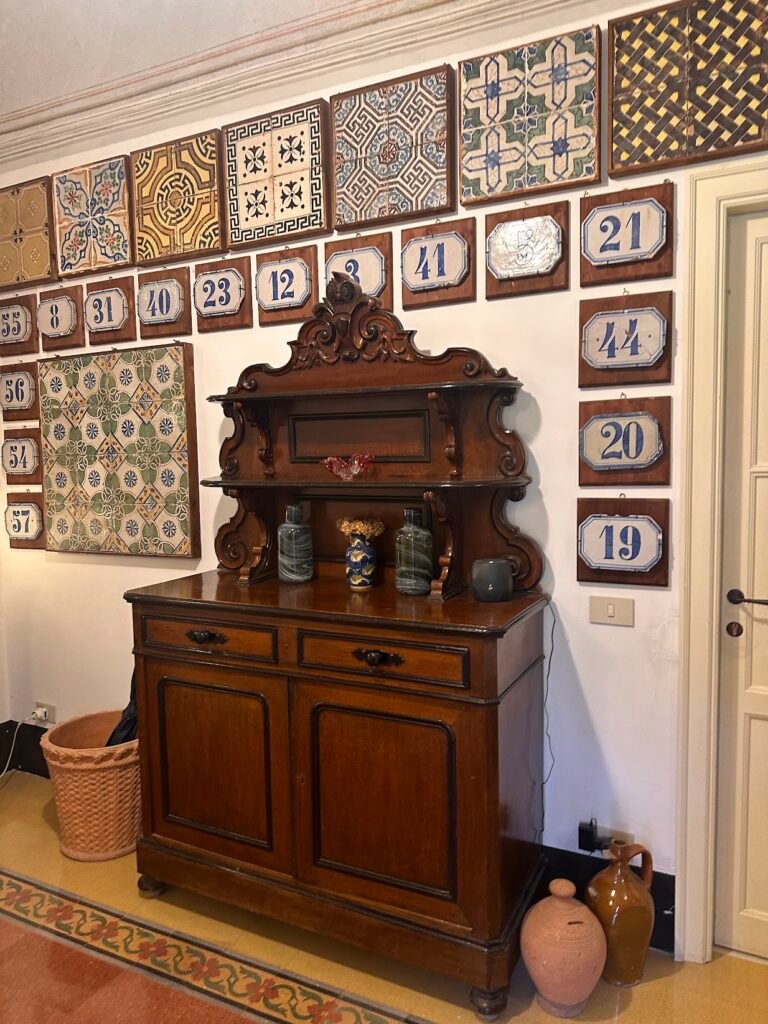
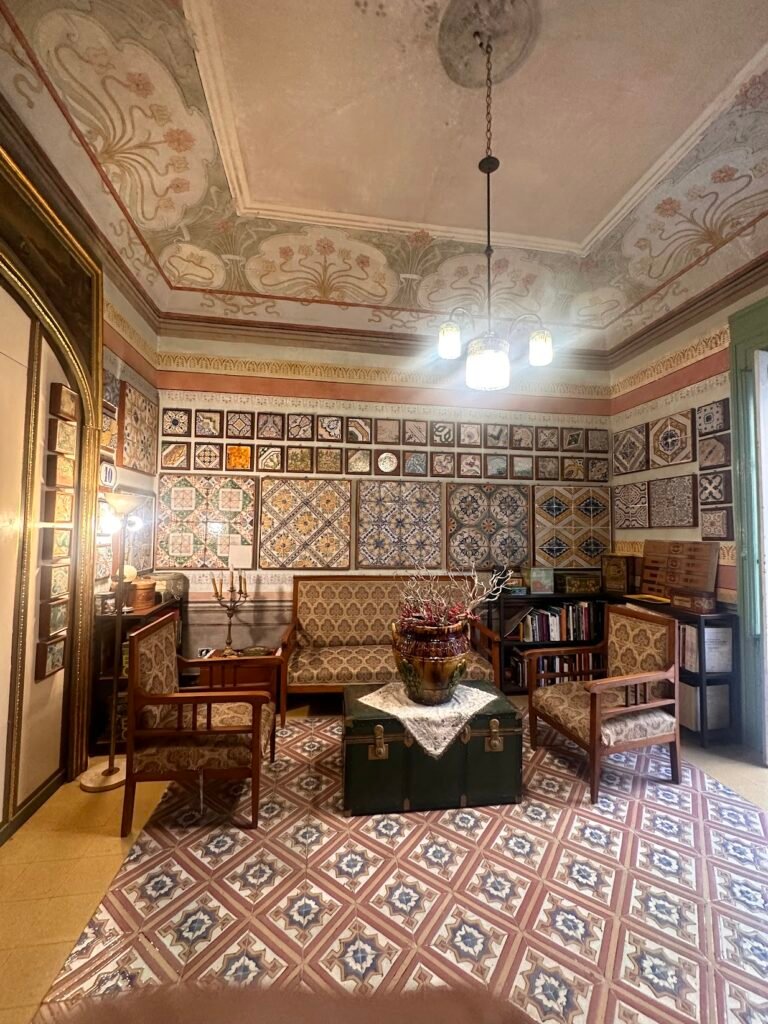
SAFE – Historic Center/Quattro Canti This is where we stayed, in the Museo delle Maioliche Stanze al Genio near Palazzo Torre Piraino. Perfect location. You’re walking distance to everything, the streets feel safe during the day, and evening walks to dinner or bars feel completely comfortable. This area has tourists, locals, and enough foot traffic that you’re never isolated.
SAFE WITH CAUTION – Kalsa Kalsa has gentrified significantly in recent years. During the day, it’s one of Palermo’s most charming neighborhoods. At night, some streets can feel empty and a bit off. Stick to the main drags near restaurants and bars, and you’ll be fine.
SAFE DURING DAY – Vucciria Market The daytime market is incredible, but also prime pickpocket territory. Keep your bag in front of you, don’t keep your phone in your back pocket, and stay aware. At night, this area transforms into a street food and drinking scene that feels lively and safe, though watch your drink and surroundings as you would in any bar district.
AVOID AT NIGHT – Ballarò Market I’m echoing what locals told me: Ballarò market is fascinating during the day, but not where you want to be after dark. The neighborhood around it has a reputation for drug dealing and petty crime. Visit the market in the morning or early afternoon, then leave. Check out Where to Stay in Palermo.
AVOID ENTIRELY – Brancaccio This neighborhood east of the center is consistently flagged as Palermo’s most dangerous area. High unemployment, organized crime presence, and regular problems with theft and drugs. There’s no reason for tourists to go here, so just don’t.
USE CAUTION – Around Train Station The area around Palermo Centrale station isn’t terrible, but it’s not charming either. During the day, it’s fine—busy, a bit chaotic, but manageable. After dark, I’d take a taxi if I were arriving late rather than walking through this area to reach the historic center.
Practical Safety Tips for Palermo
Keep your bag in front of you in markets and crowded areas. Don’t use your phone while walking busy streets. Keep only small amounts of cash on you. And trust your gut when a street or situation feels off.
Here’s what actually worked for me:
Crossbody bag, worn in front. Not across my back like at home. In front, where I could see it, especially in markets and crowded streets. My hand stayed on it in crowds.
Phone stays in my front pocket or bag. Never back pocket, never just dangling in my hand while I’m absorbed in navigation. I’d step to the side, check directions, put it away, then continue walking.
Small amounts of cash. I carried €40-60 max. Cards stayed locked in the hotel safe except for the one I needed that day. If someone lifts my wallet, I’m not losing hundreds of euros.
Ate and drank with locals around. If a restaurant is full of Italian families, it’s in a safe area. If you’re the only customer and it’s 9pm, maybe pick somewhere else.
Walked with purpose at night. Even when I wasn’t 100% sure where I was going, I looked like I knew. Confident walk, no obvious phone checking, moving like I belong there.
Trusted the sketch feeling. That broader street walking to the live music bars felt slightly off, so we walked faster and stayed aware instead of stopping to take photos or check phones.
Solo Female Travelers: My Honest Assessment
Solo women can safely visit Palermo with standard precautions, but this city requires more situational awareness than other Italian destinations. Daytime exploration is straightforward; evenings require more selectivity about where you go and how you get there.
I wasn’t traveling solo, but I pay attention to this because many of my readers are women traveling alone or in small groups.
Here’s my take: Palermo is manageable solo, but it’s not the easiest Italian city for first-time solo female travelers. If you’ve traveled solo in Naples, Barcelona, or Lisbon and felt comfortable, you’ll be fine here. If this would be your first solo city trip, maybe start somewhere gentler.
Daytime is easy. Explore the historic center, visit markets in the morning, wander through churches and palazzos. You’ll see other solo travelers, you’re surrounded by people, and the city feels welcoming.
Evenings require planning. I wouldn’t walk alone through empty streets after dark. But sitting at a bar with live music near Piazza Pretoria with other people around? That felt completely safe at 11pm. The key is choosing places with crowds and avoiding isolated streets.
Catcalling exists. Italian men, particularly in southern Italy, can be vocal. Most of it is harmless (though annoying), but it’s more prevalent here than in northern Italian cities. Headphones, sunglasses, and a practiced “no thanks” face help.
Take taxis/Uber at night if uncertain. A €7 taxi beats walking 20 minutes through streets that feel sketchy. Don’t be cheap about this—your comfort and safety matter more than saving a few euros.
Stay in the historic center. The Kalsa or near Quattro Canti puts you within walking distance of restaurants and bars, meaning shorter walks back to your accommodation at night.
Where to Stay Safely in Palermo
Book accommodation in the historic center between Quattro Canti and Teatro Massimo, or in the gentrified Kalsa neighborhood near restaurants and bars. Avoid staying near the train station or in outlying neighborhoods.
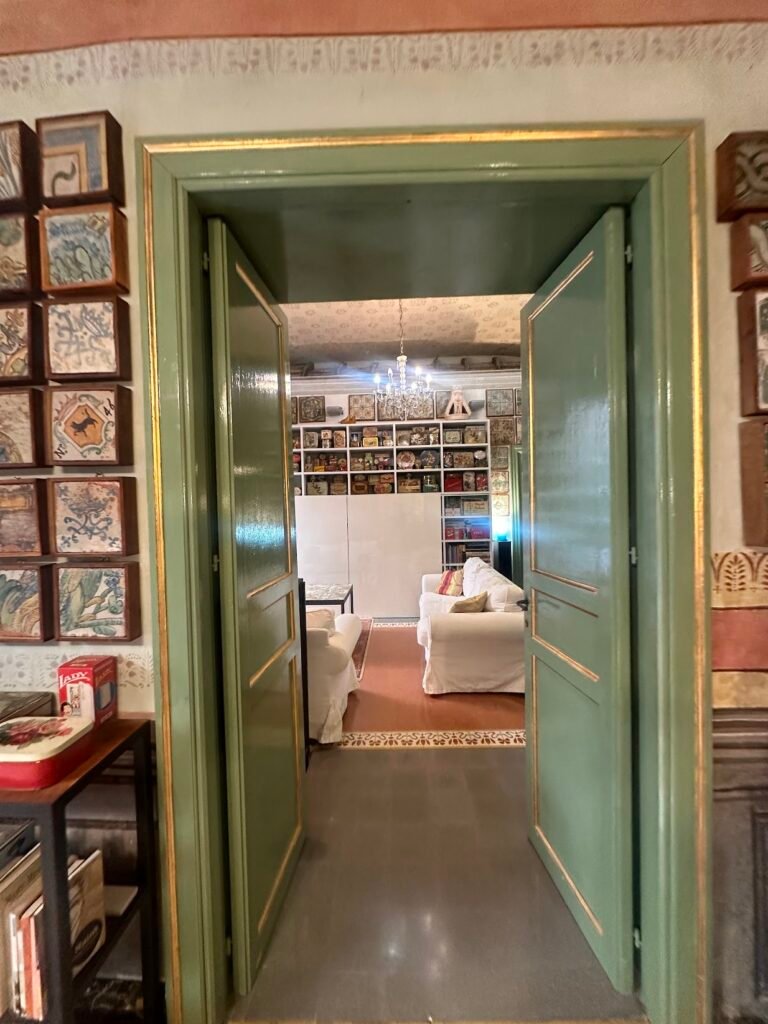
We stayed at the Museo delle Maioliche Stanze al Genio in Palazzo Torre Piraino, which was unique—it’s a private museum of decorated tiles that also rents rooms. The location in the historic center was perfect. Ten-minute walk to the live music bars, five minutes to Quattro Canti, surrounded by restaurants and cafes.
Historic center near Quattro Canti is your safest bet. You’re in the heart of tourist Palermo with easy access to everything. Hotels and B&Bs here run €80-150 per night depending on season and quality.
Kalsa neighborhood offers more boutique hotels and renovated apartments. It’s slightly quieter than right at Quattro Canti but still very central. Prices are similar, €70-140 per night.
Near Teatro Massimo puts you on the edge of the historic center with easy access to restaurants along Via Maqueda. Safe area, good restaurants, slightly less touristy feel. €80-130 per night.
Avoid cheap hotels near the station. Yes, they’re cheaper (€40-70), but you’ll spend that savings on taxis because you won’t want to walk through that area at night.
Avoid Airbnbs in outlying neighborhoods. That apartment in Brancaccio might look like a deal, but there’s a reason it’s cheap. Stick to central accommodations even if you pay more.
The Mafia Question Everyone Asks
The mafia exists in Palermo, but it operates in institutional corruption and business rackets—not tourist interactions. You will never encounter mafia activity as a visitor, and organized crime wants tourists to feel safe because tourism drives the economy.
Let me address this directly because everyone wants to know.
Yes, Palermo has mafia history. Yes, organized crime still exists in Sicily. No, this will not affect your vacation in any way.
The mafia’s current operations focus on construction contracts, waste management, and institutional corruption. These are crimes happening in government offices and business dealings, not on the streets where tourists walk.
Palermo wants tourists to feel safe. Tourism brings money. A tourist getting robbed or hurt is terrible for business and brings unwanted police attention. Organized crime has zero interest in creating problems that would scare away the tourist dollars that benefit the entire local economy.
The petty theft you need to worry about? That’s opportunistic criminals acting alone, not organized crime. Someone lifting phones at the market isn’t connected to the mafia—they’re just a regular thief taking advantage of distracted tourists.
FAQ About Palermo Safety
Is Palermo safe for tourists in 2026?
Yes, Palermo is safe for tourists with basic precautions. Most crime is petty theft rather than violent crime. Stay aware in crowded areas, avoid sketchy neighborhoods like Brancaccio and Ballarò at night, and use the same street smarts you’d use in any major city.
Is Palermo safe at night?
The historic center around Quattro Canti and main streets with bars and restaurants are safe at night when there’s foot traffic. Avoid empty side streets, the area around the train station, and neighborhoods like Ballarò after dark. Take taxis if you’re unsure about walking routes
Is Palermo safer than Naples?
Both cities have similar reputations and similar safety levels. Naples has more overall crime, but both cities are safe for tourists who stay aware. If you’ve been comfortable in Naples, you’ll be fine in Palermo.
What should I avoid in Palermo?
Avoid Brancaccio neighborhood entirely. Avoid Ballarò market area at night. Don’t flash expensive jewelry or electronics in markets. Don’t leave bags unattended at restaurants. Don’t walk alone through empty streets late at night.
Can I walk around Palermo alone as a woman?
Yes, with awareness. Daytime is easy throughout the historic center. Evenings require more selectivity—stick to well-lit, trafficked streets and areas with restaurants and bars. Take taxis if walking routes feel uncertain. Solo female travel is possible but requires more caution than in other Italian cities.
Where is the safest area to stay in Palermo?
The historic center near Quattro Canti, the Kalsa neighborhood near restaurants, or the area around Teatro Massimo. These central locations offer safe accommodation within walking distance of attractions, restaurants, and evening activities.
My Final Take on Is Palermo Safe
After three days in Palermo, here’s my honest assessment: this city is safe enough that I’d return tomorrow, but not so safe that I’d recommend it to someone who gets nervous in cities.
Palermo requires your attention. You can’t zone out and wander aimlessly like you might in Florence. You need to stay aware, choose your routes thoughtfully, and use common sense about where you go after dark.
But if you approach it with reasonable caution, Palermo rewards you with one of Italy’s most authentic, fascinating cities. The street food is incredible. The architecture is stunning. The energy is infectious. The live music scene is phenomenal.
I walked around at night listening to musicians. I ate street food at crowded markets. I stayed in the historic center and explored confidently during the day. And I never once felt genuinely unsafe—just appropriately alert.
Would I recommend Palermo to first-time Italy travelers? Probably not. Start with Rome, Florence, or Venice to learn how Italian cities work.
Would I recommend it to travelers who’ve done some city travel and want something real? Absolutely. Just come with your eyes open and your street smarts engaged.
The question isn’t “Is Palermo safe?” The question is “Am I the kind of traveler who can handle a grittier city?” If the answer is yes, book your ticket. This city is worth every moment of the awareness it requires.