I’m going to be straight with you about March in Greece. It’s not the Instagram-perfect blue skies and island-hopping season that everyone pictures. But that doesn’t mean it’s not worth visiting.
I’ve been to Greece twice – once in June and once in September. I haven’t personally experienced March, but I’ve researched it extensively because I’m planning off-season Mediterranean travel and wanted to understand what actually works versus what disappoints.
Here’s what March in Greece really offers: atmospheric archaeological sites without crowds, 40% cheaper hotels, and authentic mainland experiences. But also unpredictable weather, closed island businesses, and limited ferry schedules.
This guide tells you exactly which destinations work in March, which ferries actually run, and whether it’s worth visiting at all.
This post contains affiliate links
Is March a Good Time to Visit Greece?
March is a good time to visit Greece for budget travelers (40% cheaper than summer), history enthusiasts visiting archaeological sites without crowds, and mainland-focused trips to Athens, Delphi, and Thessaloniki. March is NOT ideal for island hopping, beach vacations, or guaranteed sunshine, with variable weather and many island hotels/restaurants still closed.
Hotel prices drop 40% compared to summer. That €200/night boutique hotel in Athens? It’s €120 in March. Flights from major European cities run €80-150 round trip instead of €250-400 in summer.
Archaeological sites like the Acropolis and Delphi have significantly smaller crowds. Reports from March visitors show the Acropolis with 80-90% fewer tourists than in the peak summer months.
The weather is unpredictable. You’ll see mixed reports – some travelers get gorgeous 18°C sunshine for days, others hit cold rain and wind. Pack layers and accept that beach days aren’t happening.
Most Greek islands are essentially closed in March. Hotels, restaurants, and boat tours – the infrastructure shuts down from November through late March or early April. Only 30-40% of island businesses operate.
March is good for Greece IF you’re visiting the mainland, focusing on culture and history, and don’t mind cooler temperatures and occasional rain.
What’s the Weather Like in Greece During March?
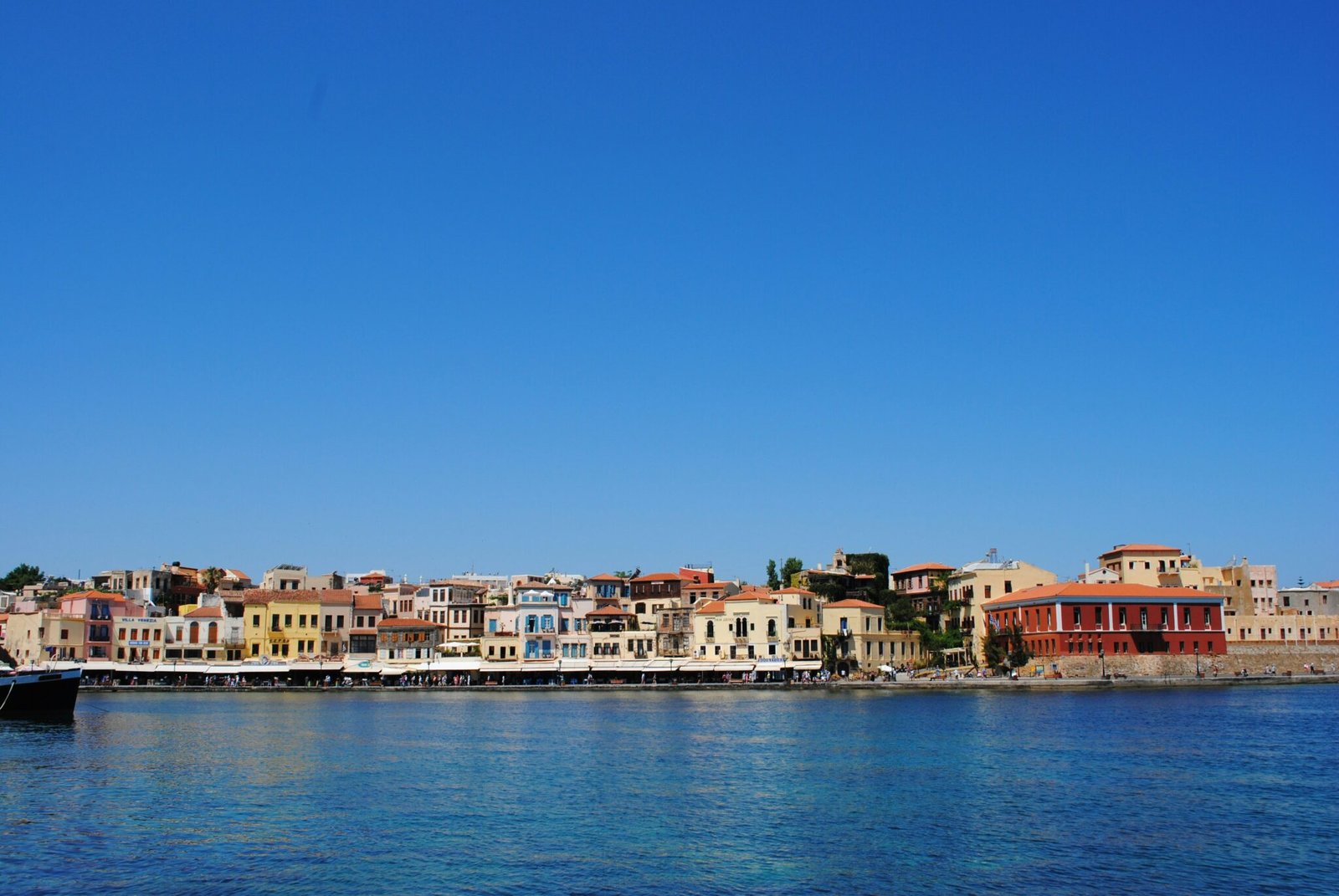
Greece weather in March averages 12-17°C (54-63°F) in Athens, 10-15°C (50-59°F) in Thessaloniki, and 14-18°C (57-64°F) in Crete, with 8-10 rainy days per month, 6-7 hours of sunshine daily, and sea temperatures around 15-16°C (59-61°F) – too cold for swimming but pleasant for coastal walks.
March sits in spring transition. Athens averages 12-17°C during the day – jacket weather. Mornings start around 10°C, afternoons might hit 18°C on sunny days.
Rain happens 8-10 days per month. Not constant downpours, but intermittent showers and gray days. Pack an umbrella and rain jacket.
Northern Greece (Thessaloniki, Meteora) runs cooler at 10-15°C. Mountains can still have snow, especially early March.
The islands vary. Crete and Rhodes in the south hit 14-18°C. Santorini and Mykonos run colder at 11-15°C with more wind.
Sea temperature is 15-16°C – too cold for swimming. Sunshine averages 6-7 hours daily versus 12+ in summer, meaning shorter sightseeing days.
The biggest variable is wind. Ferries can be cancelled due to wind and rough seas.
Greece March Weather by Region
| Region | Avg High | Avg Low | Rainy Days | Sunshine Hours | Swimming? |
|---|---|---|---|---|---|
| Athens | 17°C (63°F) | 10°C (50°F) | 8-9 | 6-7 | No |
| Thessaloniki | 14°C (57°F) | 6°C (43°F) | 9-10 | 5-6 | No |
| Crete | 18°C (64°F) | 11°C (52°F) | 7-8 | 7-8 | No |
| Rhodes | 18°C (64°F) | 12°C (54°F) | 8-9 | 7 | No |
| Santorini | 15°C (59°F) | 11°C (52°F) | 8-9 | 6-7 | No |
| Meteora | 13°C (55°F) | 4°C (39°F) | 10-11 | 5-6 | N/A |
Should You Visit Greek Islands or the Mainland in March?
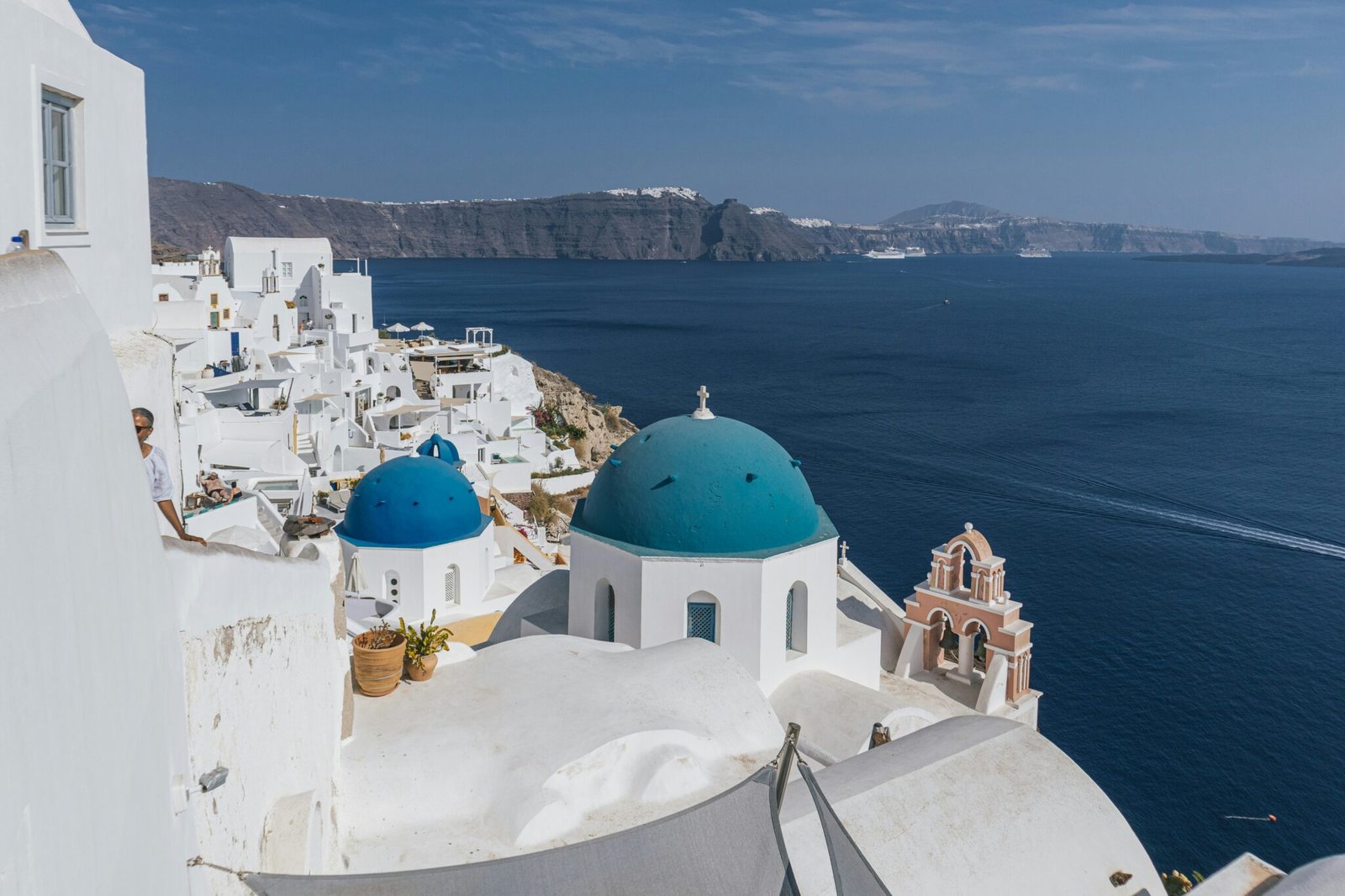
Visit mainland Greece in March for fully operational cities, archaeological sites, and consistent services. Greek islands have limited tourism infrastructure in March with 60-70% of hotels and restaurants closed, irregular ferry schedules, and reduced activities, making island hopping impractical. Crete and Rhodes offer the best island access if you must visit islands.
This is the most important decision for March Greece planning.
The Greek mainland is fully operational. Athens, Thessaloniki, Delphi, Meteora – these destinations work year-round. Every restaurant is open, all hotels operate normally, public transportation runs full schedules.
Greek islands essentially shut down for winter. Tourism infrastructure hibernates from November through March or early April.
Research and traveler reports show that popular islands like Santorini, Mykonos, and Paros in March have only 30-40% of hotels open (many requiring minimum 3-night stays), about 30-40% of restaurants operating, and almost no tourist activities running.
Ferry schedules drop significantly. That daily ferry in summer becomes 2-3x weekly in March. Weather cancellations due to wind are more common.
The exception: Crete and Rhodes. These large islands have year-round local populations and more services stay open. You won’t get the full island experience, but you’ll find enough restaurants and hotels.
March = mainland Greece unless you’re specifically visiting Crete or Rhodes for a quiet experience.
What Are the Best Places to Visit in Greece in March?
The best places to visit Greece in March are Athens (perfect weather for Acropolis and museums), Delphi (empty archaeological sites), Meteora (dramatic landscapes without crowds), Thessaloniki (city culture and food), and Crete (best island option with year-round services). Avoid Santorini, Mykonos, and smaller Cyclades islands with 60-70% of services closed.
Athens
Athens in March offers perfect temperatures for walking archaeological sites without summer heat. The Acropolis and Ancient Agora are significantly less crowded.
Budget €100-120/night for mid-range Athens hotels in March versus €180-220 in summer. Check out some Athens Blog Articles.
Delphi
Delphi’s archaeological site on Mount Parnassus offers atmospheric ruins in March. You might see snow on the peaks while walking ancient ruins. The trade-off is weather variability – rain and mist are possible but create dramatic photo opportunities.
Day trip from Athens (2.5 hours each way) or overnight in Delphi town (€70-90/night).
Meteora
Meteora’s cliff-top monasteries are magnificent in March with fewer tourists. Weather can be challenging – cold winds, possible rain, even snow early March. But the dramatic landscapes and empty monasteries make it worthwhile.
Stay in Kalambaka (€60-80/night) and visit monasteries over 2 days.
Thessaloniki
Greece’s second city is fully operational year-round with excellent food scenes, Byzantine churches, and museums. March temperatures average 10-15°C.
Budget €80-110/night in March versus €130-160 in summer.
Crete
Crete is the best island option for March. Chania and Rethymno have enough restaurants and hotels operating to make visits worthwhile. You’ll find authentic Cretan culture without summer crowds.
Heraklion serves as the ferry hub with daily ferries from Athens year-round. Hotels run €70-120/night in March versus €120-200 in summer.
Rhodes
Rhodes has enough year-round infrastructure to support March visits. Rhodes Town’s medieval old town and archaeological sites operate normally. Expect about 50% of restaurants and hotels open.
Ferry connections from Athens operate year-round, typically 1-2 daily departures.
What Are the Ferry Schedules Like in Greece During March?
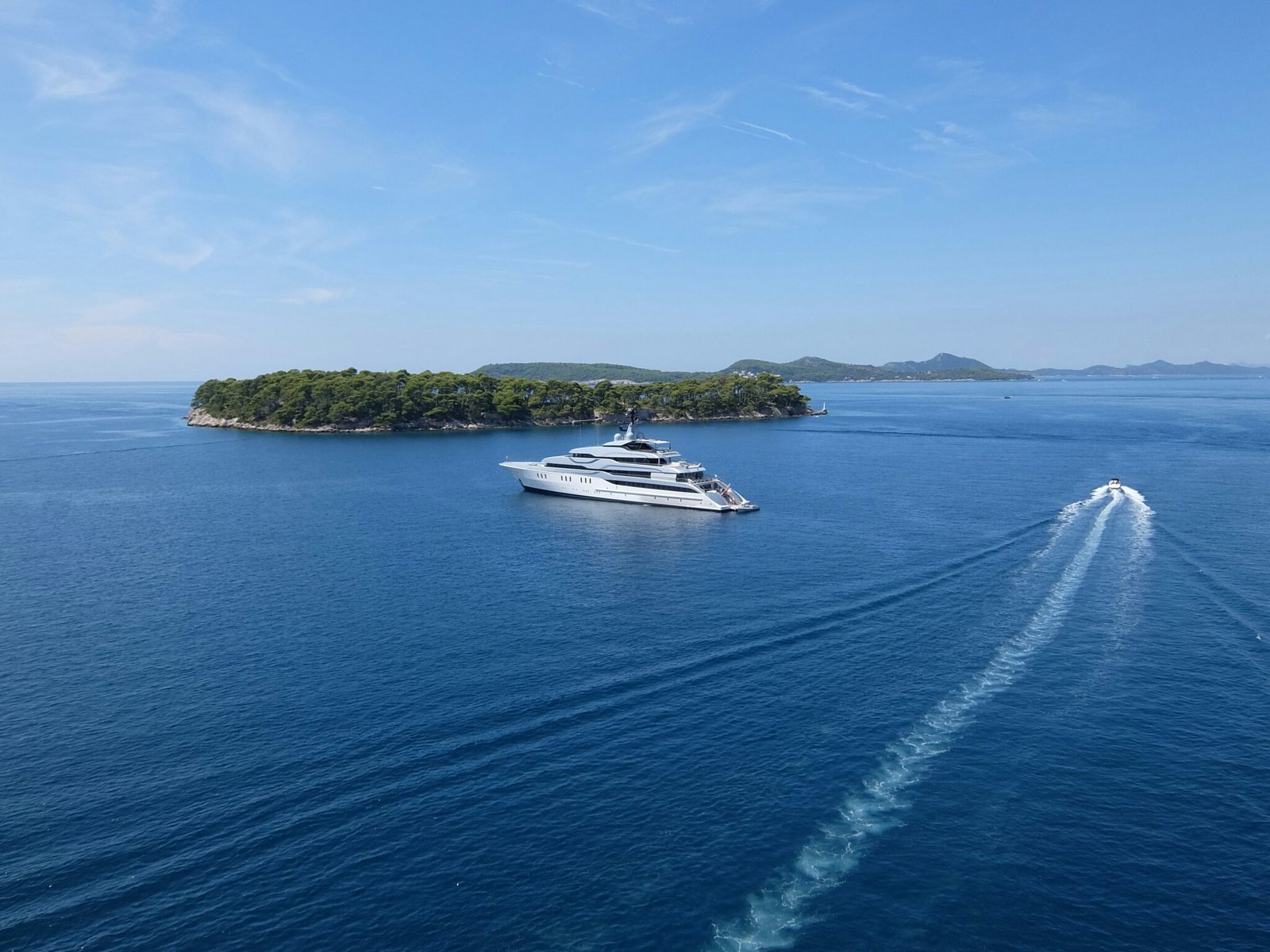
Ferry schedules in March run at 30-50% reduced frequency compared to summer. Athens-Crete ferries operate daily year-round (7x weekly to Heraklion and Chania), Athens-Rhodes runs 1-2x daily, but popular Cyclades routes like Mykonos-Santorini have NO direct service in March (must connect via Athens). Inter-island connections between Cyclades islands resume late March or early April.
This is critical information for March trip planning, and most tourists don’t research it properly until they’re already in Greece.
Year-Round Ferry Routes (Operating in March)
Athens (Piraeus) to Crete: 7 ferries daily to Heraklion, 1-2 ferries daily to Chania. This route never stops. Tickets start at €31-42.
Athens (Piraeus) to Rhodes: 1-2 ferries daily year-round. Journey takes 12-15 hours overnight. Tickets from €46.
Athens (Piraeus) to major Cyclades: Mykonos, Santorini, Naxos, and Paros have daily ferries year-round from Athens. Frequency drops to 1-2x daily in March instead of 4-6x daily in summer.
Athens (Piraeus) to Kos: 1 ferry daily year-round. Tickets from €63.
Saronic Gulf Islands: Aegina, Hydra, Poros, and Spetses have multiple daily ferries year-round from Athens. These are the most reliable March island options with up to 18-32 daily ferries to Aegina alone.
Limited or Suspended Routes in March
Mykonos to Santorini direct: NO direct ferry service November through mid-March. You must route through Athens. This typically resumes late March or early April.
Crete to Santorini: Limited service in March, typically resumes late March for daily departures. In winter months, you must connect via Athens.
Inter-Cyclades connections: Routes between Santorini-Milos, Naxos-Paros, and similar island-to-island connections operate on very limited schedules (2-3x weekly) or don’t operate at all until late March.
Smaller islands: Folegandros, Koufonisia, Amorgos, and less-visited islands have 0-3 weekly ferries in March if any service at all.
March Ferry Booking Tips
Book ferries 2-4 weeks ahead for March. Unlike summer when ferries can sell out months ahead, March has plenty of availability, but booking ahead locks in schedules before weather cancellations.
Check schedules on Ferries Direct for real-time March availability. Ferry companies update schedules in November-January for the following year.
Be flexible with plans. Wind and rough seas cancel ferries more frequently in March than summer. Have backup plans if you’re connecting to flights.
Blue Star Ferries (conventional large ferries) almost never sell out in March. SeaJets (high-speed) can fill up on weekends even in shoulder season.
Ferry tickets from Athens to islands cost €30-80 depending on destination and ferry type. High-speed ferries cost 30-50% more than conventional ferries.
What Are the Best Things to Do in Greece in March?
Best activities in Greece in March include visiting archaeological sites without crowds (Acropolis, Delphi, Meteora monasteries), exploring Athens museums (Acropolis Museum, National Archaeological Museum), experiencing Greek Carnival celebrations (late February-March), attending Greek Independence Day (March 25), hiking in mild weather, and enjoying authentic taverna dining without tourist prices.
March Greece is all about culture, history, and authentic experiences rather than beaches and island hopping.
Visit Archaeological Sites Without Crowds
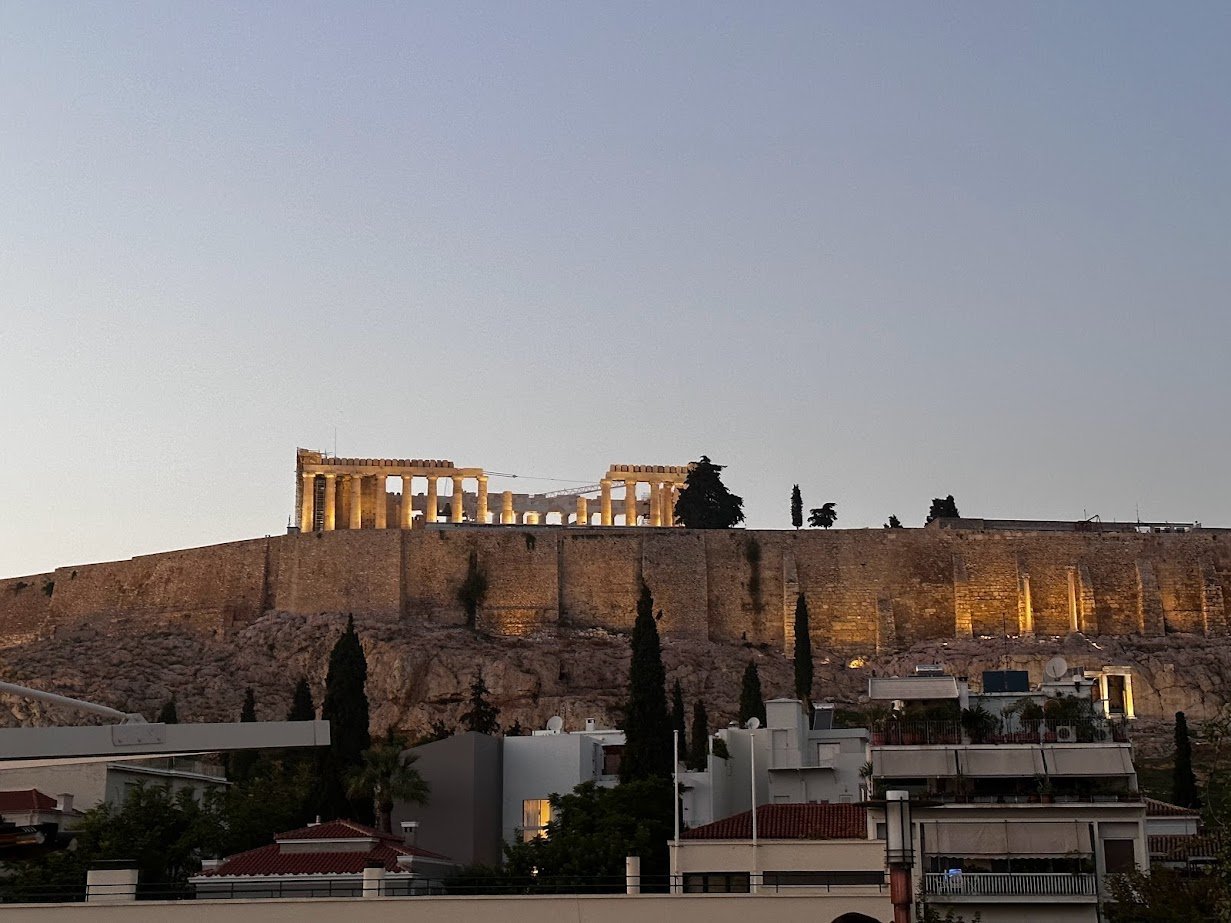
The Acropolis in March has 80-90% fewer visitors than July-August. You can actually stand at the Parthenon without fighting through selfie sticks and tour groups.
Delphi’s ancient ruins are atmospheric in March weather. The mist and clouds rolling through the mountains create dramatic photo opportunities impossible in summer sunshine.
Ancient Olympia, Mycenae, Epidaurus – all the major mainland sites are open year-round and blissfully empty in March.
Explore Museums Properly
Athens has world-class museums that are packed in summer. The Acropolis Museum, National Archaeological Museum, and Byzantine Museum are manageable in March.
You can actually spend time reading displays and appreciating artifacts instead of being pushed through by crowds.
Museum tickets range €10-20 per site, with combination tickets offering better value for multiple sites.
Experience Greek Carnival (Apokries)
Greek Carnival happens in late February through early March, culminating the weekend before Clean Monday (Orthodox Lent).
Patras hosts Greece’s largest carnival celebration with parades, costumes, and street parties. Think Mardi Gras but Greek-style.
Smaller towns have local carnival traditions with traditional costumes and celebrations. This is authentic Greek culture, not tourist entertainment.

Attend Greek Independence Day (March 25)
March 25 is Greek Independence Day, celebrating independence from Ottoman rule in 1821. Banks and many businesses close, but it’s fascinating to experience.
Athens has a military parade down Panepistimiou Street. Local celebrations happen in towns across Greece.
This national holiday means Greeks are off work and traveling, so expect higher hotel demand around March 25. Book accommodations early for this weekend.
Hike Without Summer Heat
March temperatures of 12-17°C are perfect for hiking. The summer heat that makes hiking miserable isn’t a factor yet.
The Menalon Trail in the Peloponnese, Samaria Gorge in Crete (opens late March-April), and Mount Olympus trails are accessible in March weather.
Pack layers – mornings can be cold, afternoons warm, and the weather can change quickly in the mountains.
Eat at Authentic Tavernas
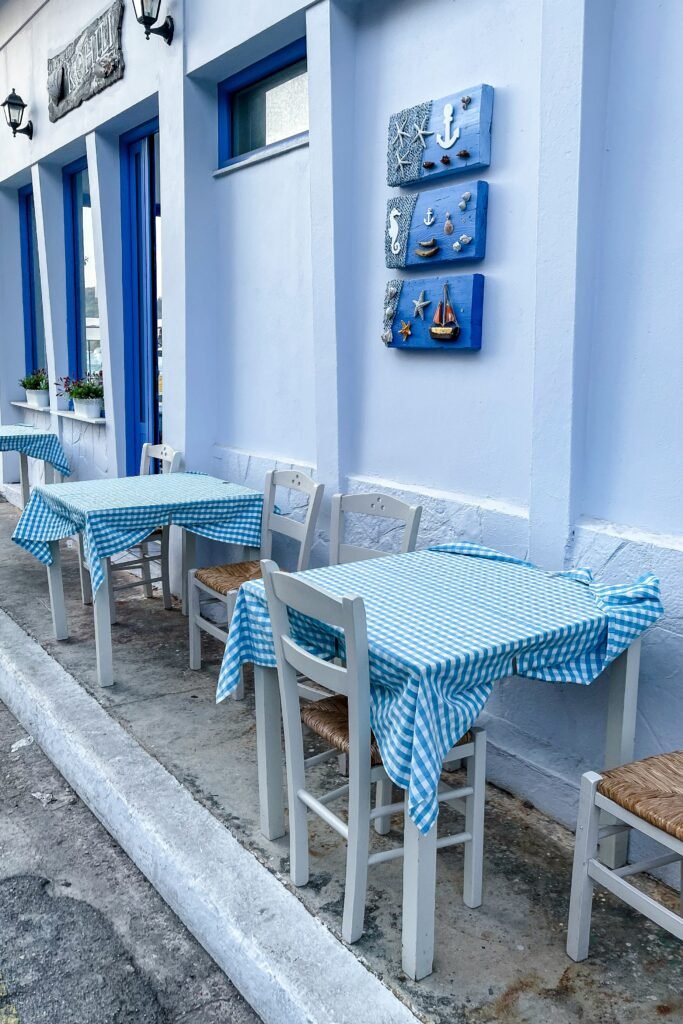
March means locals-only dining. Tavernas in Athens, Thessaloniki, and mainland towns serve Greeks, not tourists, which means better food and lower prices.
You’ll see daily specials written in Greek on chalkboards, traditional dishes not watered down for tourist palates, and prices that reflect local expectations.
A full taverna meal (appetizer, main course, wine, dessert) costs €15-25 per person in March compared to €25-40 in tourist-heavy summer months.
Visit Wineries
Greek wine regions like Nemea (Peloponnese) and Santorini (if you visit) offer winery tours year-round. March means smaller groups and more personal attention from winemakers.
Spring is pruning season in vineyards, so you’ll see actual work happening rather than just tourist-focused tastings.
Winery tours cost €15-30 per person including 4-6 wine tastings.
How Long Should You Stay in Greece in March?
Plan 5-7 days minimum for Greece in March – 3 days Athens, 1-2 days Delphi/Meteora, and 2-3 days in Crete or Rhodes if adding an island. A 10-14-day trip allows Athens (3-4 days), Peloponnese or Thessaloniki (2-3 days), Meteora (2 days), and Crete (3-4 days) without rushing.
The shorter daylight hours in March (6-7 hours sunshine vs 12+ in summer) mean you accomplish less per day, so don’t over-schedule.
5-7 Day Itinerary
Days 1-3: Athens (Acropolis, Ancient Agora, Acropolis Museum, Plaka neighborhood, day trip to Cape Sounion)
Day 4: Day trip to Delphi (2.5 hours each way) or overnight in Delphi town
Days 5-7: Either Meteora (2 days) OR add Crete if you want island time (ferry from Athens)
This covers the highlights without excessive ferry time or weather-dependent island hopping.
10-14 Day Itinerary
Days 1-4: Athens and day trips (Delphi, Cape Sounion, Hydra island day trip)
Days 5-6: Meteora (Kalambaka base, visit cliff-top monasteries)
Days 7-8: Thessaloniki (food scene, Byzantine churches, waterfront)
Days 9-14: Crete (Chania 2 days, Rethymno 1-2 days, Heraklion 1-2 days) OR Rhodes (Rhodes Town 2 days, Lindos 1 day, west coast 1-2 days)
This allows proper time for each destination without rushing between locations in unpredictable March weather.
Is March Good for Families Traveling to Greece?
March Greece works well for families with older children (8+) interested in history and museums, offering 40% cheaper hotels (€100-150 vs €180-250 for family rooms) and uncrowded archaeological sites. March is challenging for families with young children due to shorter daylight hours (6-7 hours), cooler temperatures requiring layers, limited beach activities, and reduced ferry schedules making island hopping complicated.
Families visiting Athens, Delphi, and mainland destinations in March will find the experience manageable and budget-friendly. The Acropolis without summer crowds means kids can actually see the Parthenon without being overwhelmed by thousands of tourists.
March temperatures of 12-17°C work for active sightseeing but require proper clothing. Pack layers for kids – mornings are chilly, afternoons can be pleasant, and weather changes quickly.
The shorter daylight hours (sunset around 6-6:30 PM in March) limit sightseeing time. With kids, plan for 3-4 hours of activities daily rather than full-day excursions.
Beach activities and swimming aren’t options in March. If your family vacation centers on beaches, wait until May-June. If your kids enjoy museums, ancient history, and exploring cities, March works.
Island hopping with families is complicated in March. Reduced ferry schedules, weather cancellations, and closed island services make logistics frustrating with children.
Family rooms and connecting rooms cost €100-180/night in March versus €180-300 in summer – significant savings for family travel budgets.

What Seasonal Foods Should You Try in Greece in March?
March in Greece features seasonal wild greens (horta), fresh artichokes (anginares), fava bean dishes, and Lenten specialties like taramosalata and lagana bread (available around Clean Monday in early March). Citrus season continues with oranges and lemons at peak freshness, while tavernas serve hearty winter dishes like stews and bean soups before transitioning to spring menus.
March sits at the intersection of winter comfort food and early spring produce in Greek cuisine.
Wild greens (horta) are at their peak in March. These foraged greens – dandelion, chicory, mustard greens – appear boiled with olive oil and lemon on taverna menus. It’s peasant food turned delicacy.
Fresh artichokes are in season. Look for anginares a la polita (artichokes with potatoes, carrots, and dill in lemon sauce) on menus.
Clean Monday (Kathara Deftera), which falls in late February or early March, marks the beginning of Orthodox Lent. This means special Lenten foods appear: taramosalata (fish roe dip), lagana (unleavened bread), and halva. Tavernas serve these during the first week of March.
Fava bean dishes – both yellow split pea puree and fresh fava beans – are March staples. This is comfort food season before summer’s lighter menus.
Citrus fruits are still excellent. Oranges and lemons are at peak flavor, which is why Greek salads and fish dishes in March taste particularly bright.
Hearty stews and bean soups (fasolada, revithia) remain on menus in March since temperatures are still cool enough for warming dishes.
March is NOT the season for tomatoes, cucumbers, or summer vegetables. If a taverna serves Greek salad with perfect tomatoes in March, they’re imported, not local.

Is March Greece Worth It? Final Verdict
March in Greece is worth visiting for budget travelers saving 40% on hotels, history enthusiasts wanting empty archaeological sites, and mainland-focused trips to Athens, Delphi, Meteora, and Thessaloniki. March is NOT worth it for beach vacations, guaranteed sunshine, or traditional island hopping experiences.
Let me be clear about who should visit Greece in March and who should wait.
Visit Greece in March If:
- You prioritize budget over perfect weather (€100/night vs €180 in summer)
- You want to see the Acropolis, Delphi, and major sites without crowds
- You’re visiting Athens and mainland destinations primarily
- You’re flexible with the weather and don’t mind occasional rain
- You appreciate authentic experiences over full tourist infrastructure
Skip March and Visit May-June or September If:
- You want island hopping (most island services don’t fully open until late April-May)
- You expect beach weather and swimming
- You need guaranteed sunshine (March weather is variable)
- You want the full tourist infrastructure with all restaurants, hotels, and tours operating
September-October offers the best balance: 80% of summer weather, 40% fewer crowds, and 30% lower prices. March takes the trade-offs further – 60% fewer crowds and 40% cheaper, but the weather is less reliable.
For a March trip, focus on Athens, Delphi, Meteora, and possibly Crete. Skip traditional island hopping and beach plans. It’s not Instagram Greece, but it’s authentic, affordable, and rewarding if you set appropriate expectations.
FAQ: Visiting Greece in March
Is March a good month to visit Greece?
March is good for visiting mainland Greece (Athens, Delphi, Meteora, Thessaloniki) with 40% lower prices, fewer crowds at archaeological sites, and mild temperatures of 12-17°C, but NOT ideal for island hopping or beach vacations due to limited ferry schedules, many closed island businesses, and cool temperatures.
What is the weather like in Greece in March?
Greece weather in March averages 12-17°C (54-63°F) in Athens, 10-15°C in Thessaloniki, and 14-18°C in Crete, with 8-10 rainy days per month, 6-7 hours of sunshine daily, and sea temperatures around 15-16°C (too cold for swimming)
Can you swim in Greece in March?
No, you cannot comfortably swim in Greece in March with sea temperatures of 15-16°C (59-61°F) and air temperatures of 12-17°C, making beach activities and swimming impractical for most travelers.
Are Greek islands open in March?
Most Greek islands have limited services in March, with 60-70% of hotels and restaurants closed until April-May. Crete and Rhodes offer the best island access with year-round services, while Santorini, Mykonos, and the smaller Cyclades islands have minimal tourism infrastructure.
Do ferries run between Greek islands in March?
Yes, but with reduced frequency. Athens-Crete and Athens-Rhodes ferries operate daily, Athens-Cyclades run 1-2x daily, but inter-island routes like Mykonos-Santorini have NO direct service in March (must connect via Athens). Ferry schedules increase significantly in late March-April.
What should I pack for Greece in March?
Pack layers for variable weather: spring jacket (not heavy winter coat), 2-3 long-sleeve shirts, 1-2 sweaters, long pants and jeans, one pair shorts for sunny afternoons, rain jacket, compact umbrella, comfortable walking shoes (you’ll walk 15,000+ steps daily at archaeological sites), and one nicer outfit for taverna evenings. March temperatures fluctuate from 10°C mornings to 18°C afternoons. Bring a small daypack for layers you’ll shed throughout the day, and pack a scarf for windy ferry rides or breezy evenings.