One day in Seville gives you enough time to explore the stunning Royal Alcázar, climb the Giralda Tower for panoramic views, wander the charming Santa Cruz neighborhood, and experience authentic tapas culture in Triana. Start early at the cathedral, spend midday in the Alcázar gardens, and end your evening where locals actually hang out—not the overpriced tourist rooftop bars.
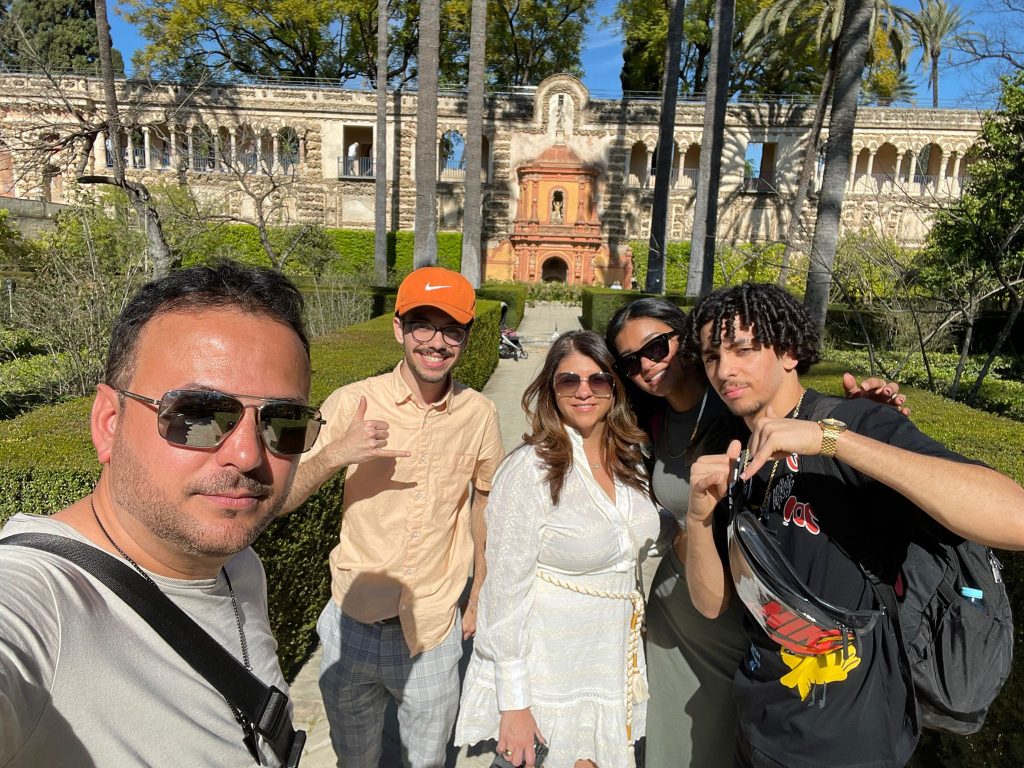
I’ve been to Spain six times now, and Seville completely won me over during our March visit. My husband managed to squeeze our rental car into a parking spot so tight I’m still not sure how he pulled it off, but that kind of sums up Seville—beautiful, challenging, and absolutely worth the effort. The architecture alone makes you want to put your camera down and stare.
This post contains affiliate links.
We visited as a family during spring break, which meant we had more flexibility than the typical day-tripper rushing in from Málaga or Madrid. Even so, one full day gave us enough time to hit the major sites and eat way too much paella at Triana Market. Here’s exactly how to spend one day in Seville without missing the good stuff.
What to Know Before Your One Day in Seville
Seville in March offers perfect weather with temperatures around 60-70°F (15-21°C), blooming orange trees lining the streets, and smaller crowds than in summer. You’ll need comfortable walking shoes because this city was built for wandering, not driving.
Seville is generally safe for tourists with everyday urban awareness. Petty theft occurs in crowded tourist areas such as the cathedral and Plaza de España, so keep an eye on your belongings and don’t leave bags unattended at restaurants. The historic neighborhoods are safe for evening walks, though avoid poorly lit side streets late at night.
kip the car if you’re staying in the city center. We learned this the hard way with that parking situation I mentioned. The historic Santa Cruz neighborhood has streets so narrow you’ll hold your breath watching scooters squeeze through.
Book your Royal Alcázar tickets online at least a week in advance (€14.50 for adults). Walk-up tickets sell out by 11 am during peak season. The Seville Cathedral also requires advance booking to skip the line.
Also check out What to do in Seville in November
Morning: Seville Cathedral and Giralda Tower
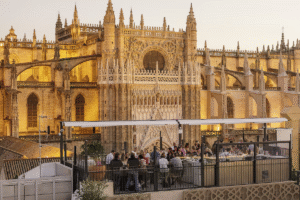
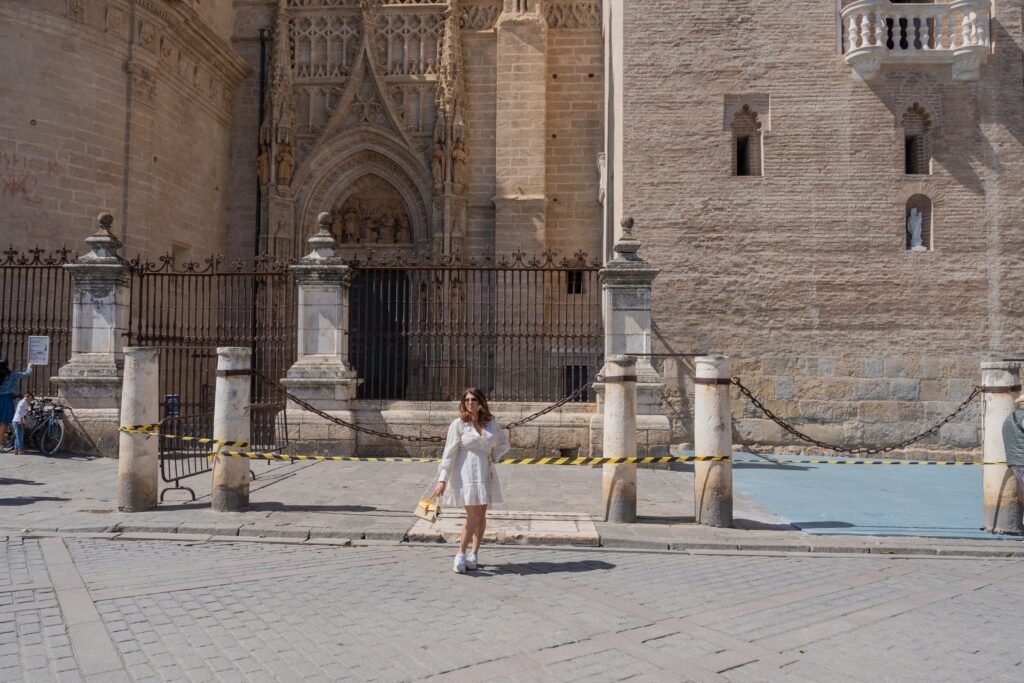
The Seville Cathedral opens at 10:45 am Monday-Saturday and 2:30 pm on Sundays, making it the perfect first stop for your one-day in Seville itinerary. This is the largest Gothic cathedral in the world and houses Christopher Columbus’s tomb.
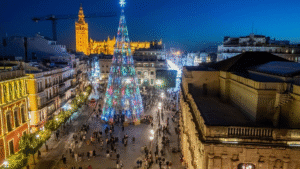
Climb all 34 ramps of the Giralda Tower first while you still have energy. Yes, ramps, not stairs—they built it so horses could climb to the top. The views over the city’s terracotta rooftops are worth every step.
The cathedral itself takes about 90 minutes if you’re not rushing. The gold altar is absolutely stunning, and the sheer size of the place makes you realize why it took over a century to build. Find Tickets.
Late Morning: Royal Alcázar Palace
The Royal Alcázar is a UNESCO World Heritage Site featuring stunning Mudéjar architecture, intricate tilework, peaceful gardens, and rooms that served as a filming location for Game of Thrones. Book the earliest available time slot (9:30 am if available) to beat the crowds.
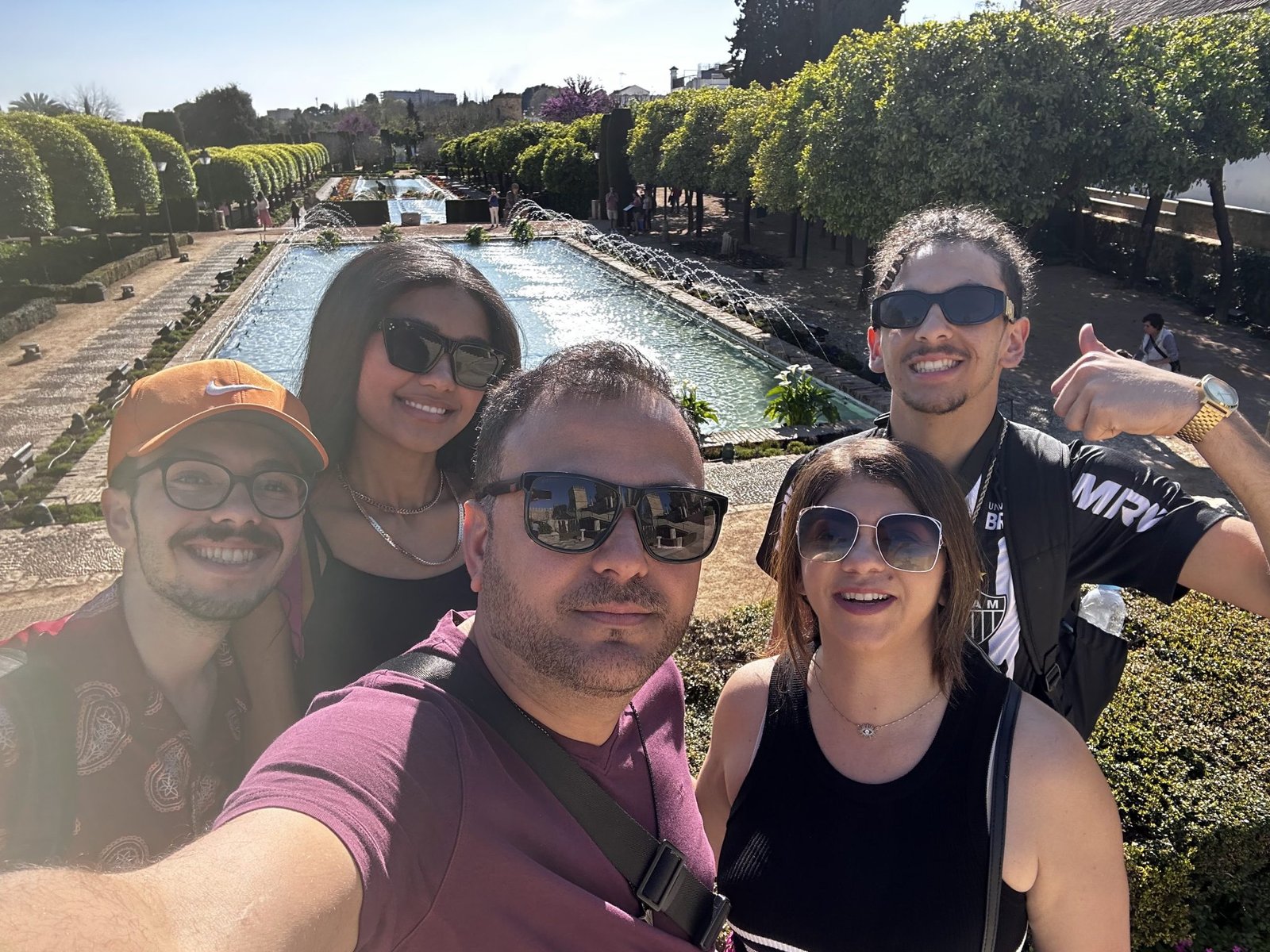
The palace complex requires a minimum of 2-3 hours. Don’t rush the gardens—they’re the best part. We found a quiet courtyard with a fountain and just sat there for 20 minutes watching the light change through the orange trees.
The tilework throughout the palace is insane. Each room has a different pattern, and the Ambassadors’ Hall has a golden dome that looks like it belongs in a different century (because it does).
Pro tip: The upper royal apartments require a separate ticket (€6 extra), but most people skip them, which means you’ll have these ornate rooms almost to yourself.
Lunch: Triana Market and the Triana Neighborhood
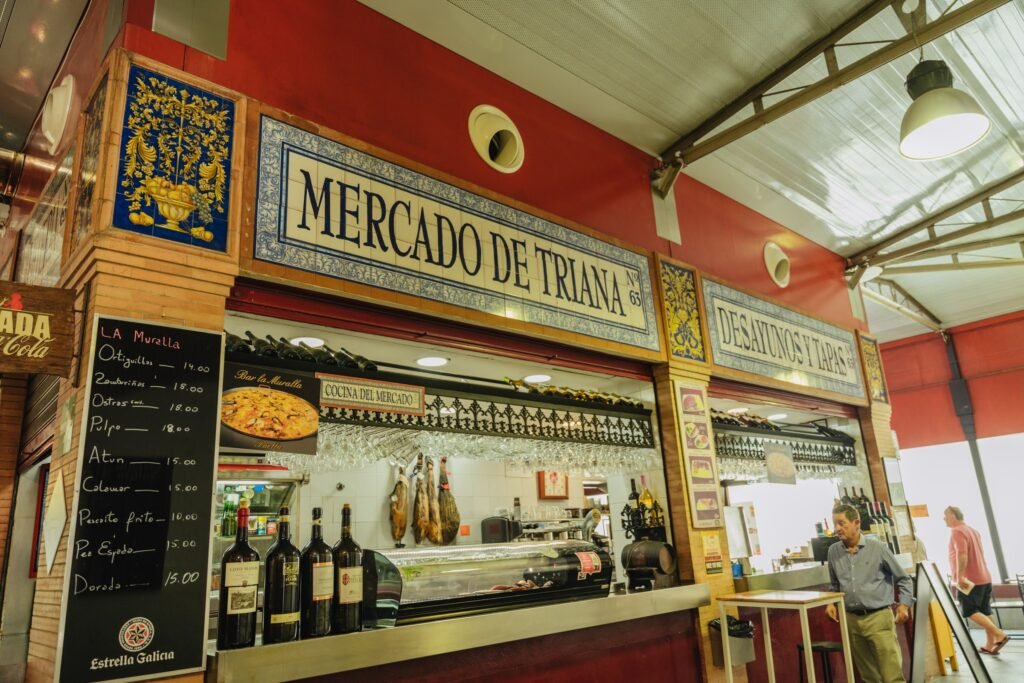
Triana Market offers authentic paella, fresh seafood, and local atmosphere at half the price of touristy Santa Cruz restaurants. We grabbed paella here and it was one of the best meals we had in Spain.
The market itself is beautiful—a renovated building with stalls selling everything from jamón ibérico to fresh olives. Find a counter spot, order whatever looks good, and watch the locals do their thing.
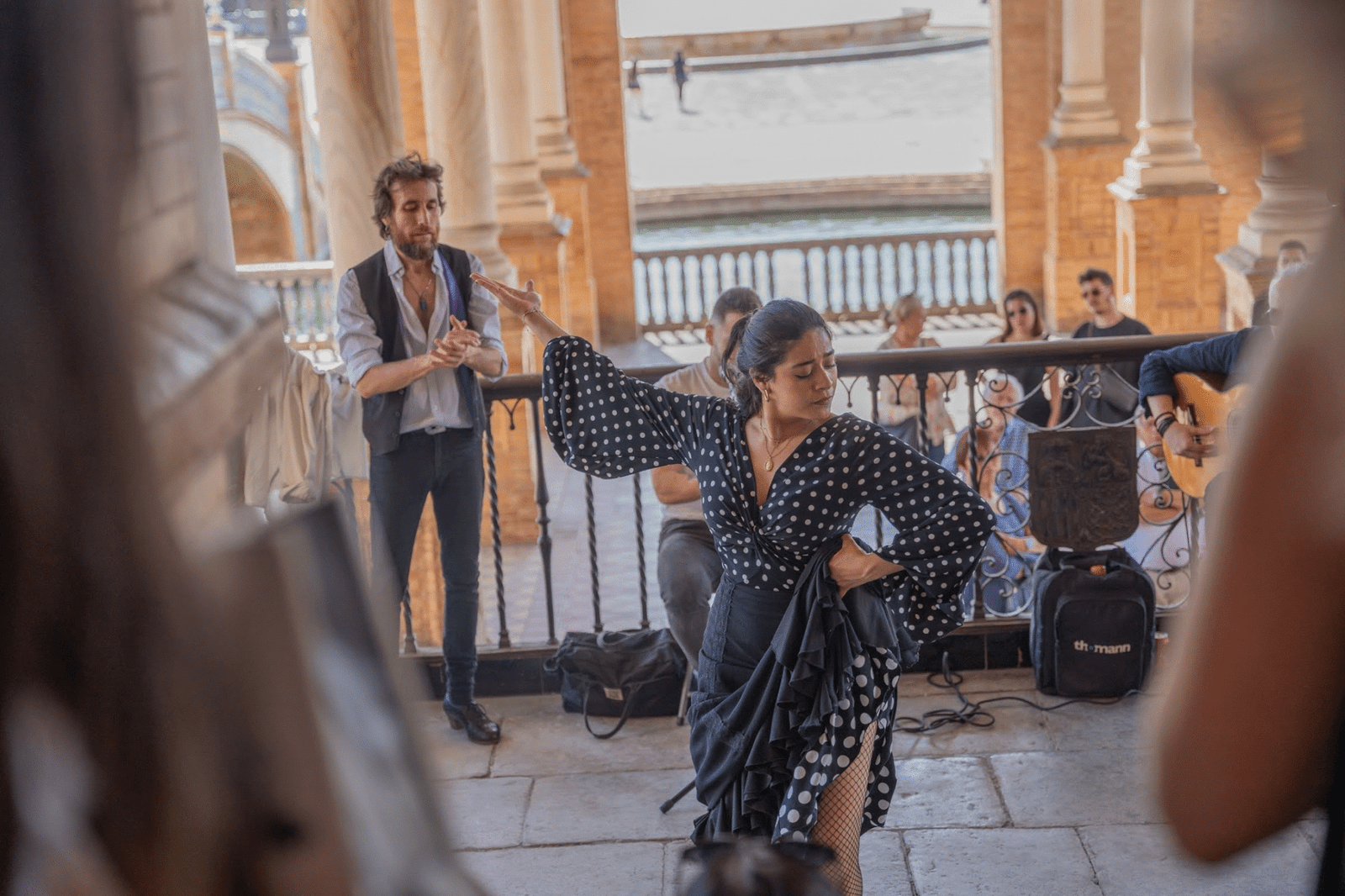
After lunch, walk around the Triana neighborhood. This is the traditional flamenco quarter, and it feels grittier and more authentic than the postcard-perfect areas across the river. The ceramic shops here have been family-run for generations.
The Triana Bridge (Puente de Isabel II) connects you back to the city center and gives you great photo ops of the Torre del Oro reflecting in the Guadalquivir River.
Afternoon: Santa Cruz Neighborhood and Plaza de España
The Santa Cruz neighborhood features whitewashed buildings, flower-filled patios, hidden plazas, and winding streets designed to provide shade from Seville’s intense summer heat. Get lost here on purpose.
This former Jewish quarter is where Seville feels most romantic. Every corner looks like it was designed for Instagram, except it’s been this beautiful since the 1400s. Duck into any courtyard you see with an open door—locals are used to tourists peeking in.
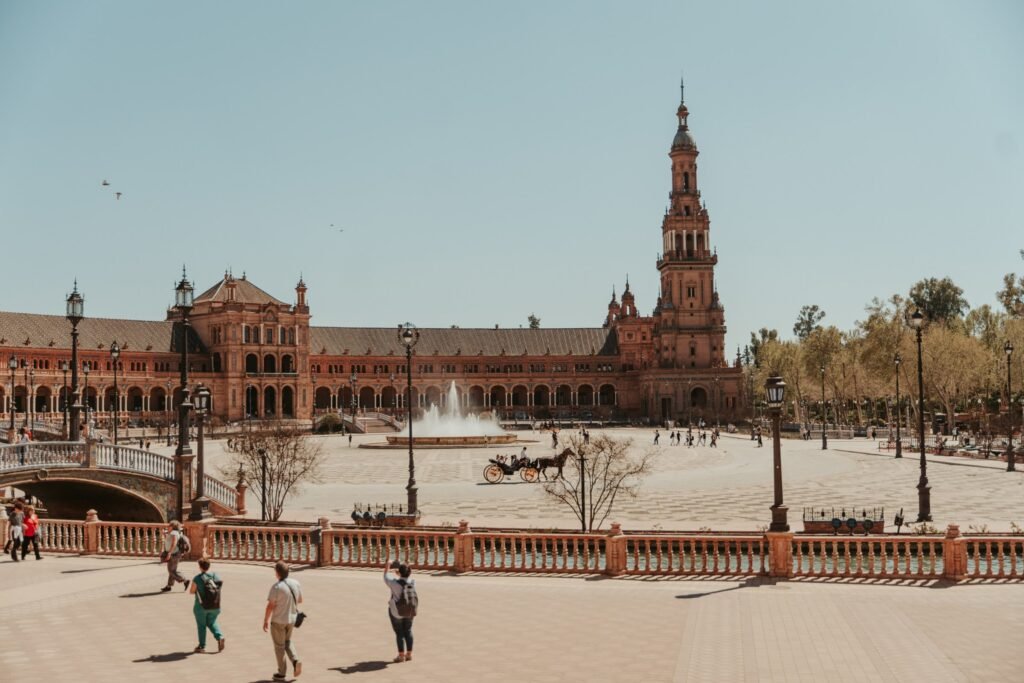
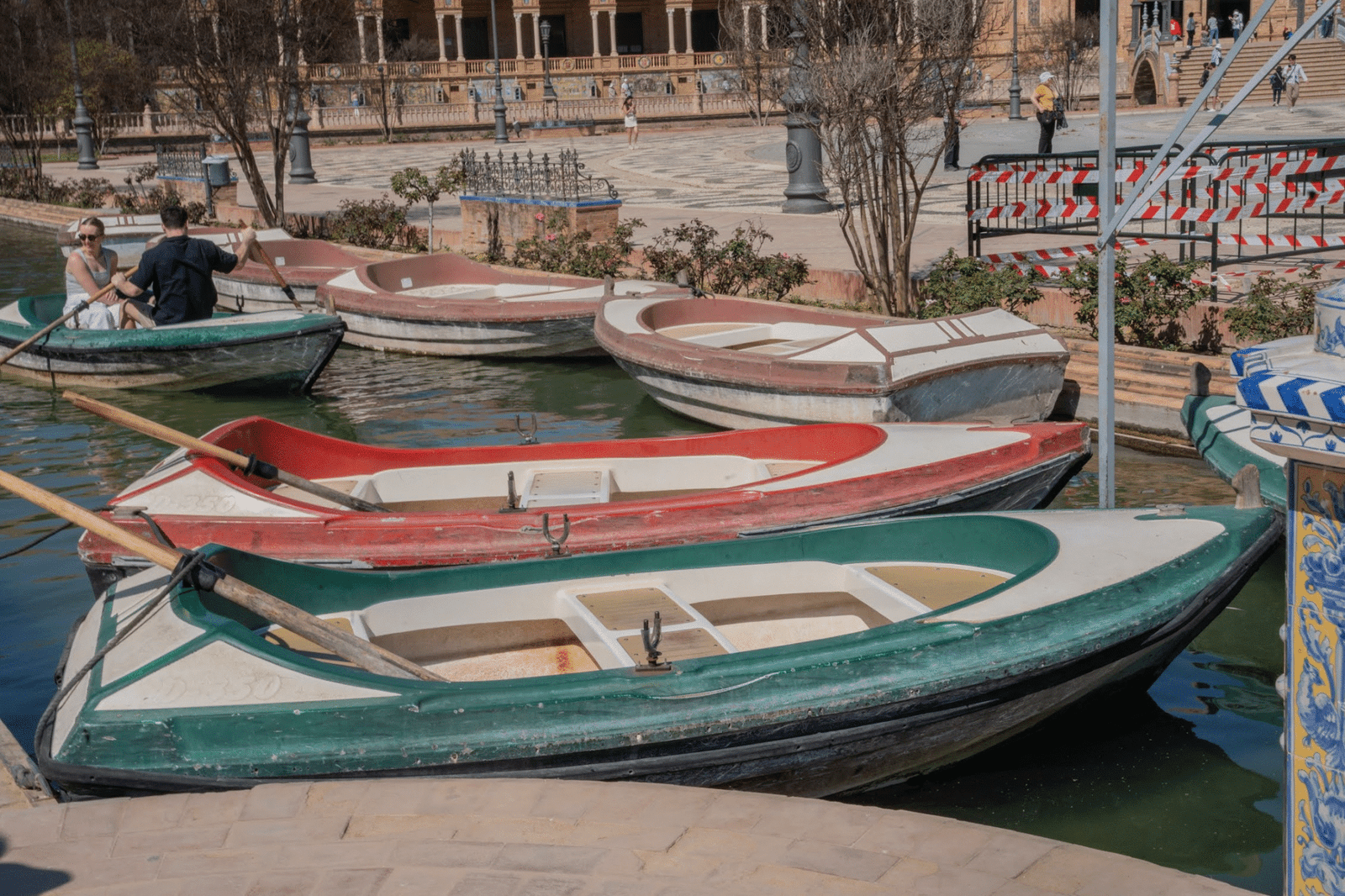
Plaza de España deserves an hour of your time. Built for the 1929 World’s Fair, this semi-circular plaza has hand-painted tiles representing every province in Spain. Rent a rowboat if the weather’s nice (€6 for 30 minutes).
The park surrounding Plaza de España (Parque de María Luisa) is perfect if you need a break from the crowds. We sat under a tree and watched street performers while the kids ran around burning off energy.
Evening: Where to Eat and Drink Like a Local
Skip the overpriced rooftop bars aimed at tourists and head to neighborhoods where you’ll see Spanish men in suits grabbing drinks after work. That’s where you’ll find the good tapas and reasonable prices.
We made the mistake of trying a rooftop bar our first night. The views were nice, but €12 for a mediocre cocktail taught us to explore the side streets instead. The best spots don’t have English menus or views—they have locals lined up at the bar.
Look for places with men still wearing their work clothes around 7-8pm. That’s your signal you’ve found an authentic spot. Order whatever the person next to you is having if you’re not sure what to get.
Tapas culture in Seville means you can eat dinner over 2-3 hours, hopping between bars for different dishes. Salmorejo (cold tomato soup), fried fish, and jamón are non-negotiable orders.
What to Eat in Seville: Local Dishes You Can’t Miss
Seville has specific dishes you won’t find anywhere else in Spain, and ordering the right things separates tourists from people who actually know how to eat here. Skip the paella (that’s Valencia) and focus on what Seville does best.
Salmorejo is the thick, creamy tomato soup that appears on every menu. It’s similar to gazpacho but richer, served cold with hard-boiled egg and jamón on top. Order it.
Espinacas con garbanzos (spinach with chickpeas) sounds boring but it’s actually one of Seville’s signature tapas. The combination of spices and textures makes it addictive.
Pescaíto frito means fried fish, and Seville does it perfectly—light, crispy, not greasy. You’ll see it served in paper cones at markets and tapas bars.
Rabo de toro (oxtail stew) is rich, slow-cooked, and traditionally served during bullfighting season. Even if you’re not into bullfighting culture, the dish itself is spectacular.
Torrijas appear everywhere during Semana Santa (Holy Week) but some places serve them year-round. Think French toast’s sophisticated Spanish cousin, soaked in milk or wine and fried.
The paella we had at Triana Market was excellent, but locals will tell you paella is a Valencia thing. Order it if you want it, but know you’re eating tourist food, not authentic Seville cuisine.
Where to Stay for One Day in Seville
Book an apartment through Booking.com in the Santa Cruz or Arenal neighborhoods to maximize your one day in Seville with central locations and better value than hotels. We always choose apartments for the extra space and the ability to grab breakfast without paying €15 per person at a hotel buffet.
Santa Cruz puts you in the heart of the historic center, but it’s also where tour groups concentrate. Arenal sits between the cathedral and the bullring with slightly lower prices.
El Centro is another good option if Santa Cruz is booked. You’re still within 10 minutes of everything but you’ll see more local life and fewer souvenir shops.
Avoid staying in Triana unless you don’t mind walking 15-20 minutes to reach the main sites. It’s a cool neighborhood, but not ideal when you only have one day.
One Day in Seville Itinerary Summary
Here’s your complete one day Seville itinerary:
- 9:30am: Royal Alcázar (book earliest time slot)
- 11:30am: Seville Cathedral and Giralda Tower
- 1:30pm: Lunch at Triana Market
- 2:30pm: Explore Triana neighborhood
- 4:00pm: Wander Santa Cruz
- 5:30pm: Plaza de España
- 7:00pm: Tapas crawl in local neighborhoods
This schedule assumes you’re staying overnight in Seville. If you’re doing a day trip from another city, skip either Triana or Plaza de España to account for travel time.
Best Time to Visit Seville for One Day
March through May offers ideal weather for a day in Seville with temperatures between 60-75°F (15-24°C), blooming flowers, and manageable crowds. We visited in March, and the weather was perfect—warm enough for outdoor dining but cool sufficient that climbing the Giralda Tower didn’t feel like death.
September and October work well, too. You’ll still get warm weather without the brutal summer heat that makes afternoon sightseeing miserable.
Avoid July and August unless you enjoy 100°F+ temperatures (38°C+) and half the city closed for vacation. Sevillanos flee to the coast, and honestly, you should too.
December through February brings cooler weather (50-60°F/10-15°C) but also lower prices and empty sites. If you don’t mind bundling up, winter in Seville has its charm.
How to Get to Seville
Seville has an international airport (SVQ) with direct flights from major European cities and connections through Madrid or Barcelona for travelers from North America. The airport sits 10km from the city center, with bus service (EA Line) running every 30 minutes for €4.
If you’re doing a southern Spain road trip, Seville makes a great stop between Málaga (2.5 hours) and Lisbon (4 hours). The drive throughthe Andalusian countryside is gorgeous, even if the parking situation once you arrive is not.
The AVE high-speed train from Madrid takes 2.5 hours and drops you at Santa Justa station, about 20 minutes by bus or taxi from the city center. Book trains through Renfe or Trainline.
Granada is 3 hours away by car or bus, allowing you to visit both cities in 3-4 days in Andalusia.
Getting Around Seville in One Day
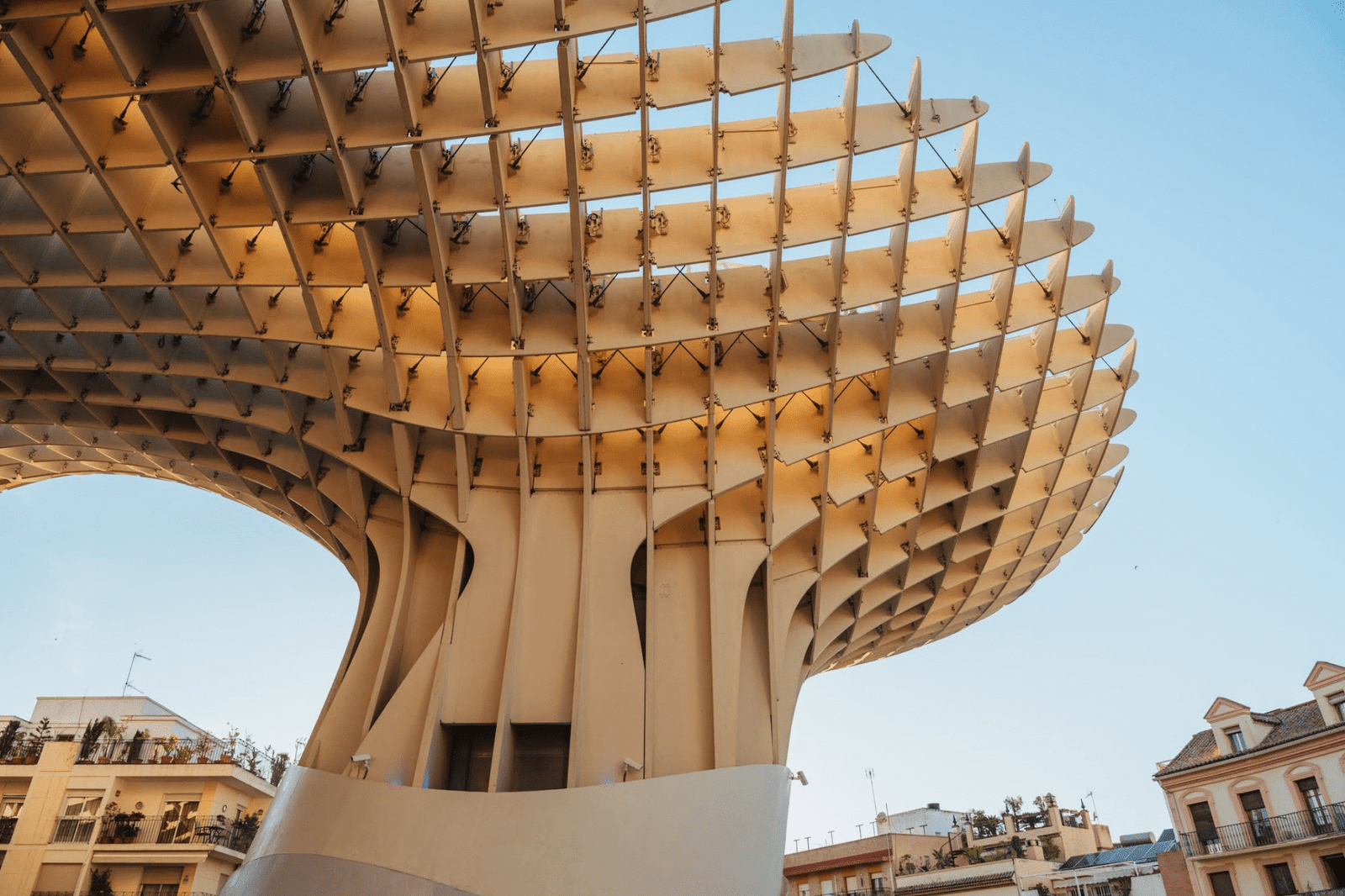
Walking is the best way to see Seville’s historic center, as major sites cluster within a 20-minute radius and many streets are closed to cars. We walked everywhere except to and from our apartment parking spot (which we visited exactly twice—once to park, once to leave).
The Metro has one line that’s primarily useful for reaching the stadium or the suburbs. You won’t need it for a one-day visit focused on the historic center.
Taxis are cheaper than in other European cities. A cross-town ride rarely costs more than €8-10. Use the Pidetaxi app or just flag one down.
E-scooters blanket the city if you’re comfortable navigating cobblestones and dodging pedestrians. We saw more locals on scooters than tourists, which tells you they’re practical, not just gimmicky.
What to Pack for One Day in Seville
Comfortable walking shoes are non-negotiable for one day in Seville since you’ll cover 15,000+ steps on cobblestone streets. I wore my Allbirds and my feet still hurt by evening.
Bring a light jacket even in spring. Those thick palace walls keep interiors surprisingly cool, and restaurants blast AC in summer.
Sunscreen and a hat matter year-round. Seville’s sun is no joke, especially reflecting off all those white buildings. Even in March I got more color than I expected.
If you’re visiting in summer (despite all advice to avoid it), pack for extreme heat: lightweight, loose clothing in natural fabrics, a wide-brimmed hat, high-SPF sunscreen, and a refillable water bottle you’ll use constantly. Plan indoor activities (cathedral, Alcázar) during peak heat (2-5pm) and save outdoor walking for morning and evening.
A refillable water bottle saves you money and plastic. Tap water is safe to drink, and most restaurants will refill your bottle if you ask.
Day Trips from Seville (If You Have More Time)
Córdoba sits one hour from Seville by train and offers the stunning Mezquita mosque-cathedral as a worthy day trip if you have two days in the region. The AVE train makes it doable even with limited time.
Ronda perches on a cliff 90 minutes away and gives you dramatic views plus a famous bridge spanning a 390-foot gorge. Rent a car or book a tour since public transport is limited.
Jerez de la Frontera is the sherry capital of the world, sitting 90 minutes south. Tour a bodega, watch flamenco, and drink sherry straight from the barrel.
Cádiz offers beaches and seafood 90 minutes southwest. It’s Europe’s oldest continuously inhabited city, though it feels sleepier and less polished than Seville.
Common Mistakes to Avoid
Don’t skip advance tickets for the Royal Alcázar or you’ll waste half your day in line. Book online at alcazarsevilla.org at least a week ahead during peak season.
Don’t eat in Plaza Nueva or right next to the cathedral. Walk five minutes in any direction and prices drop by 40%.
Don’t assume everywhere takes cards. Many small tapas bars are still cash-only, especially in local neighborhoods.
Don’t try to see a flamenco show, the Alcázar, the cathedral, AND Plaza de España if you only have one day. You’ll end up rushed and cranky. Pick your priorities.
Don’t skip Triana just because it’s across the river. The market alone justifies the 10-minute walk, and the neighborhood feels more authentic than the sanitized historic center.
Is One Day in Seville Enough?
One day in Seville gives you enough time to see the major sites and get a feel for the city, but two or three days would let you slow down and experience the city’s rhythm. We had family time so our pace was more relaxed, but even so, I wished we’d built in another day.
The beauty of Seville isn’t just checking off UNESCO sites. It’s sitting in a plaza at 10pm watching kids play while adults sip wine. It’s stumbling into a random courtyard that takes your breath away. It’s that third round of tapas you didn’t plan for.
If you can swing it, spend at least one night in Seville. The city transforms after dark when the heat breaks and everyone spills into the streets. Day-trippers miss the whole evening scene.
But if one day is truly all you have, this itinerary hits the highlights without feeling like a forced march. Just promise me you’ll skip that overpriced rooftop bar.
Final Tips for One Day in Seville
Learn basic Spanish phrases beyond “hola” and “gracias” since English is less common here than in Barcelona or Madrid. Even butchered Spanish gets you further than expecting everyone to speak English.
Eat on Spanish time. Lunch runs 2-4pm, dinner starts at 9pm. Fight the schedule and you’ll end up at tourist traps serving lukewarm paella at 6pm.
The siesta is real. Many shops close 2-5pm, so plan your shopping or random exploring for morning or evening.
Tipping isn’t expected like in the US. Round up the bill or leave €1-2 for good service, but 20% will mark you as an obvious American.
Take your time. Seville rewards slow wandering more than aggressive sightseeing. The whole city feels like it’s designed for lingering.
FAQ About One Day in Seville Spain
Can you do Seville in one day?
Yes, one day in Seville covers the major sites—Royal Alcázar, Seville Cathedral, Santa Cruz neighborhood, and Plaza de España—if you start early and book tickets in advance. You’ll miss the relaxed pace that makes Seville special, but you’ll see the highlights.
Is Seville worth visiting for one day?
Absolutely. Seville’s architecture, food scene, and atmosphere make it worth even a short visit. The Royal Alcázar alone justifies the trip. Just know you’ll want to come back for longer.
What is the best month to visit Seville?
March through May and September through October offer the best weather (60-80°F/15-27°C) without summer’s extreme heat or winter’s shorter days. We visited in March and the weather was perfect.
How many days do you need in Seville?
Two to three days lets you see the major sites without rushing and experience Seville’s evening culture. One day works if that’s all you have, but you’ll leave wanting more.
What should I not miss in Seville?
Don’t miss the Royal Alcázar gardens, climbing the Giralda Tower, getting lost in Santa Cruz, eating at Triana Market, and experiencing tapas culture in local bars—not touristy rooftop spots.
Is Seville walkable?
Yes, Seville’s historic center is very walkable with major sites within 20 minutes of each other. Comfortable shoes are essential for cobblestone streets.
The beautiful thing about Seville is how it gets under your skin. You come for the cathedral and the Alcázar, but you leave thinking about those random conversations with locals, that perfect bite of salmorejo, the light hitting the Torre del Oro at sunset.
One day gives you a taste. Just don’t be surprised when you start planning your return trip before you even leave.