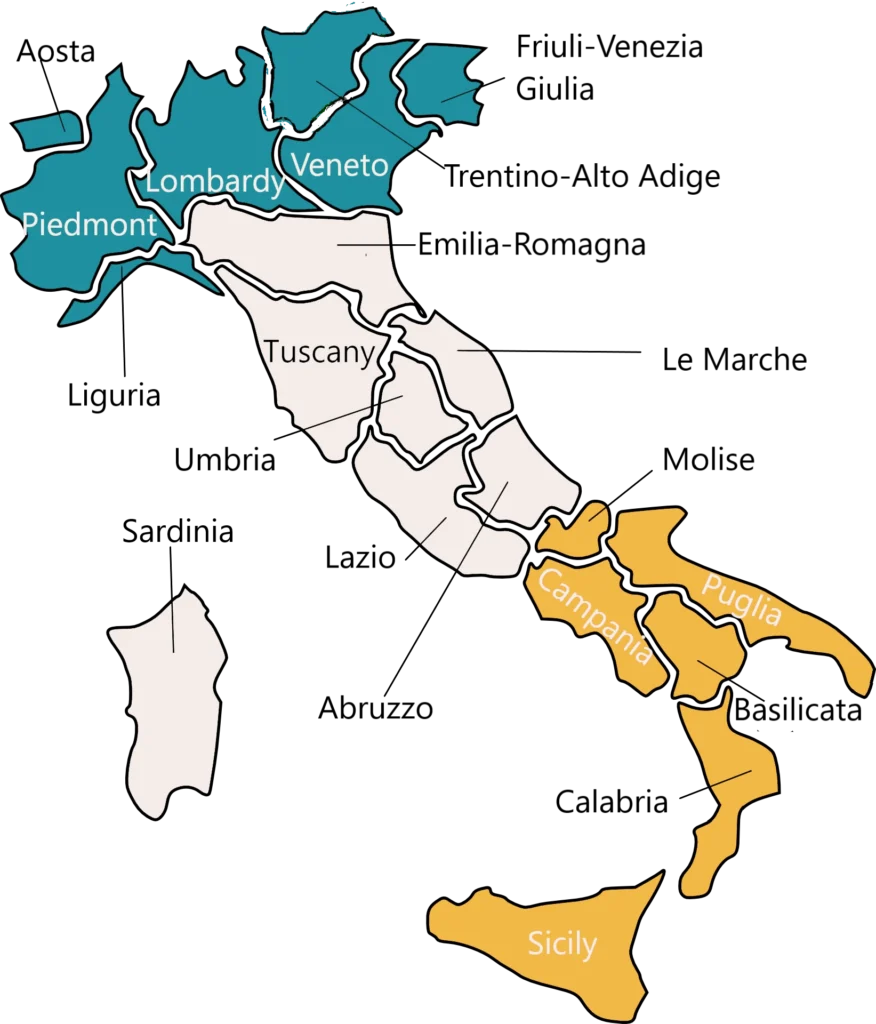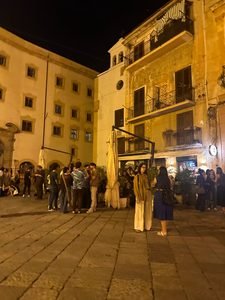
Yes, I recommend renting a car in Sicily for almost every itinerary. While buses and trains connect some major cities, they don’t reach many of Sicily’s best beaches, hill towns, wineries, and archaeological sites. After driving across western Sicily several times, I believe renting a small automatic car is one of the best decisions you can make for your trip.
Every travel blog will tell you that Sicily has buses and trains and that you technically don’t need a car. Here’s the truth: you do. Local transportation in Sicily is unreliable, infrequent, and will cost you the best parts of the island. If you want to reach the beaches, the hilltop towns, the temples at sunset, and the places that aren’t on a tour bus itinerary, you need to rent a car.
I’m Feuza Reis, the founder of Fuse Travels. I’ve driven in western Sicily—through Marsala’s salt flats, up to Selinunte, Salemi, Partanna, and Alcamo, all the way to Agrigento. My husband was the brave one and drove in Palermo. I’ve also sat in Sicilian traffic, been honked at within three seconds of turning on my blinker, and watched a Fiat 500 pass me on a blind curve at 90 kilometers an hour. Here’s everything you need to know about renting a car in Sicily as an American, including the things nobody tells you until it’s too late.
P.S They dislike wearing seat belts and will scare you on the road.
Do You Really Need to Rent a Car in Sicily?
Yes. Let me save you some time on this one.
Sicily has a train network and an intercity bus system. Both exist. Both are technically functional. But trains between major cities run infrequently, often take twice as long as driving, and don’t reach the places most travelers actually want to go. The buses are similar — routes exist between main towns, but schedules are irregular, connections can be limited on weekends, and if you miss a bus in a small Sicilian town, the next one might not come for hours. Or at all.
The beaches that make Sicily famous—Scopello, San Vito lo Capo, the coves along Lo Zingaro — are essentially unreachable without a car unless you’re on an organized tour. The hilltop towns are the same. Erice, Caltabellotta, Gangi, Sambuca — these places are on switchback mountain roads that no bus schedule can reliably serve.
If you’re spending a week in Palermo and plan to eat at restaurants within walking distance and take organized day trips, you can get away without a car. For everyone else: rent one.
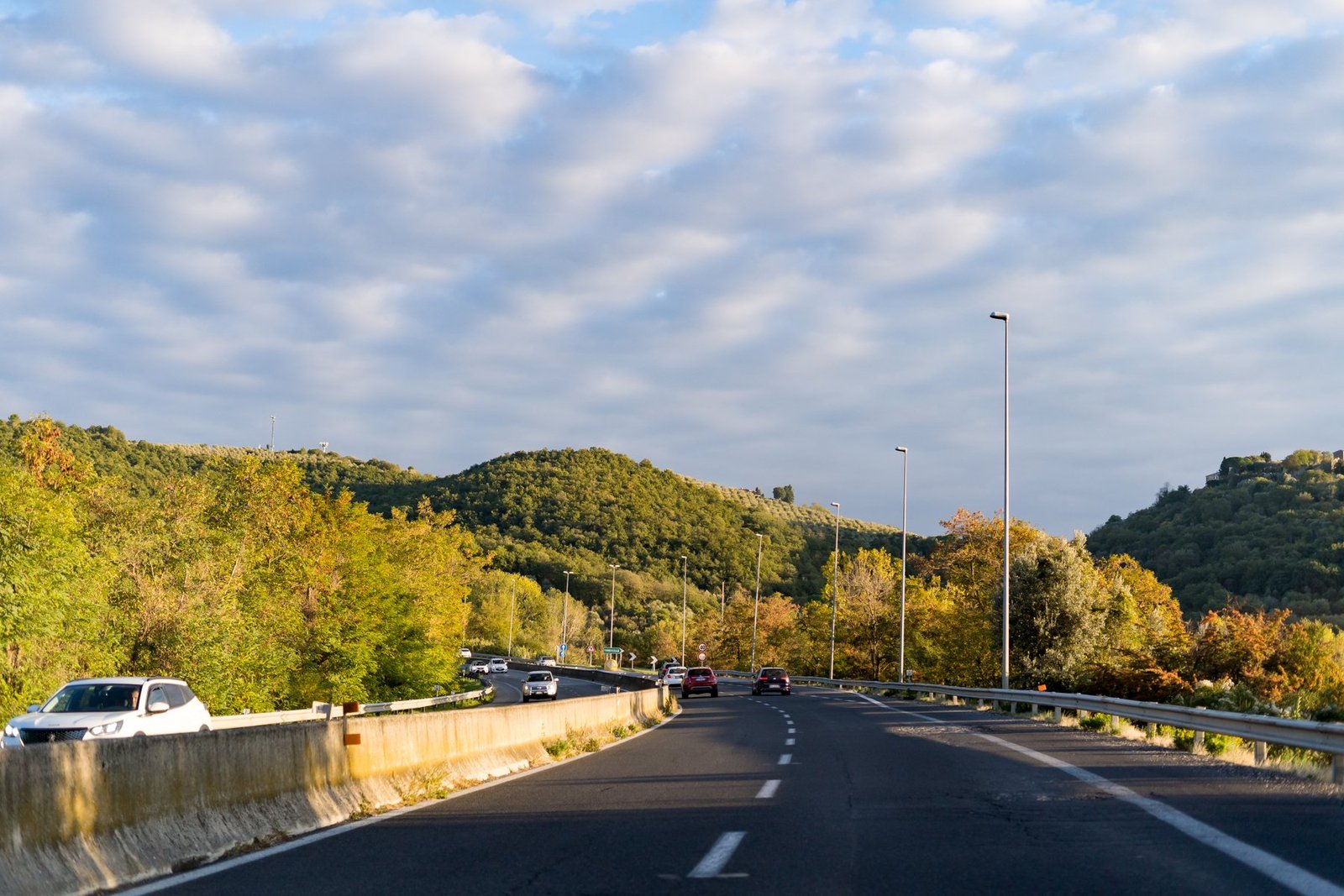
The International Driving Permit: Get This Before You Leave the US
This is the step most Americans skip and then panic about at the rental counter. Italy requires an International Driving Permit (IDP) alongside your US license if you plan to drive there. Technically, this is about translation — the IDP is an official translation of your license into multiple languages — but Italian police do check for it, and some rental companies will flag the requirement when you pick up your car.
The only two organizations authorized to issue IDPs in the United States are AAA (Triple A) and the American Automobile Touring Alliance (AATA). AAA is by far the easiest option — you can walk into any AAA branch, bring your valid US driver’s license, two passport-style photos, and $20, and walk out with your IDP the same day. You do not need to be a AAA member.
The IDP is valid for one year from the date of issue. Get it done before your trip — there’s no way to get one once you’re already in Italy, and you cannot apply for one online (any online IDP service is not officially recognized and will not protect you if you’re stopped). Check out the 411 of Driving in Italy.
What to Bring to AAA for Your IDP
- Your valid US driver’s license (must be at least six months from expiration)
- Two passport-style photos (2×2 inches — AAA can take them for you for an extra fee, or bring your own)
- $20 cash or card
- A completed IDP application form (available at the branch or downloadable from AAA’s website)
That’s it. Walk in, get your IDP, and carry both your US license and the IDP at all times while driving in Italy.
Should You Rent an Automatic or Manual Car?
The default in Italy is manual transmission. The vast majority of cars in the rental fleet — especially at local companies — are stick shift. If you can drive manual, great. If you can’t, or if you’d rather not learn on a Sicilian mountain road while a local driver tailgates you through a hairpin turn, book an automatic well in advance.
Automatic cars exist in Sicilian rental fleets but there are far fewer of them, and they go fast in peak season (June through September). Book as soon as you know your travel dates. Walking up to a counter asking for an automatic in August is a gamble you will probably lose.
Where to Rent: Local Companies vs International Chains
The big international brands — Hertz, Avis, Europcar, Sixt — have desks at Palermo and Catania airports, and they’re a reliable option if you want predictability and English-speaking staff. But you will almost always pay more than you need to.
Sicily has several well-regarded local and Italian rental companies that serve the same airports and city locations at significantly lower prices. These are the ones worth knowing about:
Sicily by Car
One of Sicily’s largest independent rental companies, with locations at both Palermo (PMO) and Catania (CTA) airports as well as city-center offices. Sicil by Car has a strong local reputation, a wide fleet, and rates that are noticeably lower than the international chains. They operate throughout Sicily and are particularly popular with long-term visitors and expats who return repeatedly and know where the value is.
Italy by Car
An Italian-owned national company with good coverage across Sicily. Italy by Car tends to offer competitive rates and a reasonable fleet. Like Sicil by Car, they’re a solid alternative to the big international brands for travelers who are comfortable booking through a less familiar name. Check their rates against the international chains when comparing — the difference is often meaningful.
Centauro
Centauro is a Spanish-origin rental company that operates across Southern Europe and has a presence in Sicily. They frequently appear on comparison sites with strong pricing and generally good reviews. Worth including in your comparison when you’re shopping around — particularly for longer rental periods where the savings over a week add up.
Brīd
A smaller local operator is worth checking if you’re looking for alternatives to the mainstream options. Smaller companies like this can offer very competitive daily rates, especially outside peak season — just make sure to read recent reviews and confirm pickup logistics before booking. I used them when my son came to visit and had a super safe car and a wonderful experience. It costs more than average local Italian companies, but it is worth it. Use code “fusetravels” for 10% off. Visit their website.
How to Compare Rental Prices
Use a comparison site like Discover Cars, RentalCars.com, or AutoEurope to search across multiple companies at once. These sites surface local companies alongside the international chains and let you see total prices (including fees) side by side. Always check the full price, including any mandatory fees, before committing — some companies quote a low base rate and add location surcharges, young driver fees, or equipment charges at pickup.
Insurance in Sicily: The Most Important Section of This Article
I’m going to say this clearly: do not skip proper insurance when renting a car in Sicily. I didn’t fully understand how important this was until I started driving here. Sicilian drivers are aggressive, fast, and comfortable with maneuvers that would cause heart attacks in an American suburb. Fender benders happen. Scratches happen. Minor incidents in tight parking areas happen. You want to be covered.
Here’s what the insurance landscape actually looks like for a US traveler renting in Sicily:
What’s Included: CDW and Third-Party Liability
Most rental rates in Italy include basic Collision Damage Waiver (CDW) and Third-Party Liability (TPL) as standard. CDW covers the rental car itself; TPL covers damage to other vehicles or property. Both are typically required by Italian law and will be included in your rental quote automatically.
The important catch: basic CDW almost always comes with an excess (called a “deductible” in American terminology). This means that if you have an incident, you are responsible for the first €500 to €2,000 in damages — even with CDW included. The rental company will put a hold on your credit card for this amount at pickup.

Excess Insurance: What It Is and Why You Need It
This is the piece of the insurance picture that most American travelers don’t know about until they’re standing at the rental counter with a salesperson explaining it.
Excess insurance (also called Super CDW, Zero Excess, or Excess Waiver) eliminates your liability for that deductible amount. With it, if something happens to the car, your out-of-pocket cost is zero (subject to the policy terms). Without it, you’re on the hook for whatever the excess amount is — which can be €1,000 or more for a small incident.
You have two ways to get excess coverage:
- Buy it from the rental company at pickup — the easiest option, but the most expensive. Rental company excess waiver products are typically €10 to €25 per day on top of your base rate. Over a 10-day rental, that adds up.
- Buy a standalone excess insurance policy before you travel — companies like iCarhireinsurance.com, Insurance4CarHire, and Questor Insurance sell annual or single-trip excess policies that cover your deductible exposure across any rental. These are often significantly cheaper than buying from the desk, and an annual policy makes sense if you rent cars in Europe more than once a year.
Note: Many US credit cards offer rental car coverage as a cardholder benefit, but read the fine print carefully. Most US credit card coverage is secondary (it kicks in after your personal auto insurance), many policies exclude Italy or have geographic restrictions, and most do not cover the excess/deductible — they cover the car if it’s totaled, not the €800 deductible on a scratched bumper. Do not assume your credit card covers you in Sicily without confirming specifically.
Theft Protection
Theft protection (TP) covers you if the car is stolen. This is typically separate from CDW and may or may not be included in your base rate. Check whether your rental includes it — if not, and if you’re parking overnight in urban areas, it’s worth adding.
The Summary: What Insurance Setup Actually Works
The setup most experienced travelers in Sicily use is: basic CDW + TPL from the rental company (included in the rate) + a standalone excess waiver policy purchased before travel. This gives you full coverage for the car, full coverage for the deductible, and avoids paying the rental company’s inflated excess waiver price at the desk.
Whatever you do, don’t drive in Sicily with just the basic included coverage and no excess protection. It’s not worth the risk given the driving environment.
What Driving in Sicily Is Actually Like
I want to be honest with you about this because the sanitized version won’t help you: driving in Sicily is chaotic, and you need to be mentally prepared for it.
Traffic rules exist on paper. In practice, Sicilian driving operates on a different set of social conventions that you will not have encountered in the United States. Some things you will see and experience:
- Horns are a communication tool, not an expression of anger. Expect to be honked at. It doesn’t mean you did anything wrong — it means someone wants to let you know they’re there, or that they’re passing, or that the light changed. Don’t take it personally.
- Lane markings are suggestions. On multi-lane roads, particularly on the autostrada approaches into Palermo, lanes compress and merge in ways that are not marked. Follow the flow of traffic.
- Passing happens anywhere. On a two-lane mountain road in the Sicilian interior, the car behind you will pass when they decide to pass — on a curve, on a hill, regardless of visibility. Give them room and stay in your lane.
- Roundabouts operate differently. In Sicily, the car already in the roundabout does not always have right of way. Local practice varies. Enter with confidence and watch what’s happening.
- Parking is creative. You will see cars parked in ways that would earn you a ticket in two seconds in New York. Double-parked on main streets, half on the sidewalk, facing the wrong direction. This is normal.
The good news: once you adjust, it’s manageable. Sicilian drivers are not malicious — they’re just operating in a different driving culture where assertiveness is normal and hesitation is what causes problems. Drive with confidence, give yourself more following distance than you would at home, and slow down on the mountain roads. The scenery is worth it.
ZTLs: The Fine That Catches Every First-Time Visitor
This is one of the most important practical warnings in this entire article. ZTL stands for Zona a Traffico Limitato — restricted traffic zone. Most historic centers in Sicilian cities and towns have ZTLs: areas where only residents and authorized vehicles can drive between certain hours. The zones are marked with signs and enforced by cameras.
The camera photographs your plate, runs it against the authorized vehicles list, and if you’re not on it, a fine arrives in the mail. Because the fine goes to the rental company, they charge it back to your credit card — plus an administrative fee. ZTL fines typically run €80 to €150 for the initial violation. After the rental company’s admin fee, it’s more.
How to avoid it: don’t drive into historic centers in Palermo, Taormina, Siracusa (Ortigia), Noto, or any town center where you see a white circular sign with a red border and ZTL markings. Park outside and walk in. In many towns, your hotel can advise you on parking and whether there’s a way to register your plate as a guest (some accommodations can authorize your vehicle for access). When in doubt, don’t drive in.
Parking Colors in Sicily
| Parking Line Color | What It Means | Can Tourists Park? | Tips |
|---|---|---|---|
| ⚪ White | Free parking | ✅ Usually yes | Some white spaces have time limits or require a parking disc (disco orario), so always check nearby signs. |
| 🔵 Blue | Paid parking | ✅ Yes | Buy a ticket from the nearby parking meter (parcometro) and display it on your dashboard. Some areas also allow payment through parking apps. |
| 🟡 Yellow | Reserved parking | ❌ No | Reserved for residents, disabled permit holders, police, delivery vehicles, or other authorized users. Avoid parking here. |
| 🩷 Pink | Reserved for expectant or new mothers (where available) | ❌ No | These spaces are becoming more common in some Italian cities but are still relatively rare in Sicily. Only drivers with the proper municipal permit may use them. |
Tolls on Sicilian Highways
Sicily’s main autostrada network has toll roads, particularly the A19 (Palermo to Catania) and sections of the A29 (Palermo toward Trapani). Tolls are paid at booths — you can pay with cash or a credit card. Some lanes are for Telepass (Italy’s electronic toll system), which you won’t have as a rental visitor unless your car comes equipped with it and you’ve activated it.
At toll booths, look for lanes marked “Carte” (card/cash) or the general lane symbol. Avoid the Telepass-only lanes (marked with a yellow T). Toll amounts are small — typically €2 to €6 for most Sicilian highway segments — but keep some euros in the car for tolls and parking machines.
GPS and Navigation in Sicily
Use Google Maps or Maps. Make sure you add this to your map choice before leaving the airport Wi-Fi. Cell service in Sicily’s interior can be patchy—particularly in the mountain roads between Palermo and the interior towns. Download offline maps for Sicily before you leave your hotel in the morning.
A phone mount is essential. Do not navigate by looking at your phone in your lap on a Sicilian road. You need both hands and your full attention on those mountain curves. Rental companies will rent you a GPS for an additional daily fee, but your phone with offline maps is perfectly adequate and free.
One navigation quirk: Google Maps in Sicily will sometimes route you onto roads that look fine on screen but are barely a lane wide in person — single-track stone roads through olive groves, that sort of thing. These roads exist. They are technically drivable. They are also not where you want to be in a panic. If the road narrows unexpectedly and you’re not confident, stop and find a turning point before you go further. Reversing on a Sicilian mountain track is an experience you can do without.
Practical Tips: Fuel, Parking, and Car Size
Fuel
Most rental cars in Sicily run on diesel (gasolio) or petrol (benzina). Confirm which yours takes at pickup — putting the wrong fuel in the tank is a very expensive mistake. Fuel prices in Italy are among the highest in Europe; budget accordingly. Many gas stations in Sicily are self-service after hours — you pay at the pump with a card or insert cash into a machine.
Check your rental’s fuel policy at pickup: most require you to return the car with the same fuel level it had when you left. “Full to full” is the most common policy — pick it up full, return it full. Avoid the prepaid fuel option where the rental company fills it for you at their rate — it’s almost always more expensive than filling it yourself.
Parking
Parking in Sicilian towns uses a color-coded system. White lines mean free parking (though often with time limits posted). Blue lines mean paid parking — buy a ticket from a nearby machine (called a parcometro) and display it on your dashboard. Yellow lines are reserved for residents or specific vehicle types.
In city centers and tourist areas, look for official paid parking lots (parcheggio) — they’re safer for your car and often cheaper than you’d expect. Avoid leaving valuables visible in a parked car anywhere in Sicily, particularly in Palermo.
Car Size
Book small. Seriously. The streets in Sicily’s historic centers and hill towns were built for donkeys, not SUVs. A compact or small car (Fiat 500, Volkswagen Polo, or Toyota Yaris category) will get you into places a larger car cannot, park in spots a larger car won’t fit, and cost less per day. Unless you have a specific need for luggage space or are traveling with four or more people, go small.
Tip is always look up the car on Youtube to really see the size.
Renting at the Airport vs City Center
Both Palermo (Falcone-Borsellino, PMO) and Catania (Fontanarossa, CTA) airports have rental car facilities. Palermo’s rental area is a short shuttle ride from arrivals; Catania’s is walkable from the terminal. Picking up at the airport is convenient and means you can drive directly to your accommodation — just be prepared for Palermo city traffic if you’re heading into town.
Picking up from a city-center location can occasionally be cheaper (airport surcharges add to the base rate), but the logistics of getting from the airport to the city to pick up the car, and then returning it before your flight, add friction. Unless the price difference is significant, airport pickup is worth the small premium.
Where Should You Pick Up Your Rental Car?
Palermo and Catania airports are the two best places to rent a car in Sicily. Both airports have the largest selection of rental companies, the most competitive prices, and the best availability for automatic vehicles.
If you’re exploring western Sicily (Trapani, Scopello, San Vito Lo Capo, Erice, Marsala, or Salemi), pick up your car at Palermo Airport (PMO).
If you’re exploring eastern Sicily (Taormina, Mount Etna, Syracuse, Noto, Ragusa, or Modica), Catania Airport (CTA) is the better choice.
💬 Feuza Tip: If you’re spending your first few days sightseeing in Palermo, don’t rent your car immediately. Enjoy the city on foot, then pick up your rental the day you’re ready to start your road trip. It’ll save you parking fees and a few gray hairs from driving through Palermo traffic.
Frequently Asked Questions
Can Americans drive in Sicily with a US license?
Yes, but you need your US license plus an International Driving Permit. Get the IDP from a AAA office before you travel. Both documents are required to drive legally in Italy.
What’s the minimum age to rent a car in Sicily?
Most companies require drivers to be at least 21 years old. Drivers under 25 are typically subject to a Young Driver surcharge — this varies by company but can be €10 to €20 per day. At some smaller local companies, the minimum age may be 23 or 25. Check the terms for your specific rental before booking if you’re under 25.
Does my US credit card cover rental car insurance in Italy?
Possibly, partially, with caveats. Most US credit cards that offer rental coverage provide secondary coverage only, and many exclude Italy or impose country restrictions. Even cards that do cover Italy typically do not cover the excess/deductible — which is the thing most likely to cost you money in a minor incident. Read your specific card’s terms and call the benefits line to confirm before you rely on it. Don’t assume.
Is driving in Sicily dangerous?
It’s intense, but it’s manageable. The driving culture is aggressive by American standards — people pass when you wouldn’t, honk constantly, and treat road markings loosely. But Sicilian roads are not more dangerous than those in many other countries, and millions of tourists drive there every year without incident. The main risks are: driving too fast on mountain roads, not understanding ZTL zones, and being underinsured when a minor incident happens. Address all three of those and you’ll be fine.
Which Sicilian airport should I fly into?
It depends on your itinerary. Palermo (PMO) is best for western Sicily — Marsala, Trapani, San Vito lo Capo, Segesta, Agrigento. Catania (CTA) is better for eastern Sicily — Taormina, Syracuse, Etna, Ragusa. If you’re doing a loop of the whole island, you can do a one-way rental — fly into one, out of the other — though one-way fees apply and vary by company.
Do I need to worry about driving in Palermo city?
Palermo city driving is the most stressful part of driving in Sicily. The combination of dense traffic, narrow streets, scooters everywhere, and aggressive local driving makes city driving genuinely challenging. If you’re based in Palermo, you honestly don’t need the car while you’re in the city — leave it parked at your hotel or a nearby lot and use it for day trips. Pick up the car the day you’re leaving the city for the countryside, and return it the day before you fly home if you’re ending the trip in Palermo.
Plan Your Sicily Road Trip Right
If you’re planning a driving trip through Sicily and want a framework for where to go, how long to spend, and how to build a route that doesn’t waste half your trip in transit — the free Sicily Home Finder Starter Kit at stan.store/fusetravels has resources for planning your time on the island, including area guides and recommendations built from firsthand experience. It’s free and it’s where I put the things that don’t fit in a blog post.