Is the Amalfi Coast safe? Yes, the Amalfi Coast is safe for tourists. Violent crime targeting visitors is extremely rare, and the region receives millions of tourists each year without serious incidents. The biggest safety concern on the Amalfi Coast is not crime but the road: the SS163 Amalfi Drive is narrow, winding, and genuinely challenging. Understanding how to get around safely matters far more than worrying about crime.
The Amalfi Coast has a reputation that can feel intimidating before you arrive. The road is famous worldwide as one of the most dramatic and difficult coastal drives in Europe. Naples, the nearest major city, has its own reputation for chaos and petty crime. And the sheer cliffs and crowded ferries of the coast itself raise questions for cautious travelers.
The reality is more straightforward than the reputation suggests. This guide covers every genuine safety consideration on the Amalfi Coast, from road conditions to crime rates to hiking hazards, so you can plan your visit with accurate information rather than anxiety.
Key Takeaways
- The Amalfi Coast is safe. Violent crime against tourists is very rare. The main risks are road safety, rockfalls, and heat.
- The coastal road (SS163) is one of the most challenging drives in Europe. Many visitors are better off using ferries and SITA buses.
- Petty theft is possible in crowded areas, especially near Naples and on busy ferries. Standard precautions are all that is needed.
- Rockfalls do happen on the coastal road and some hiking trails, particularly after rain. Pay attention to trail closure signs.
- Solo female travelers generally report feeling safe on the Amalfi Coast.
- September and October are the best months for safety and comfort: fewer crowds, cooler temperatures, and easier road conditions.
Is the Amalfi Coast Dangerous?
The Amalfi Coast is not dangerous in the ways most travelers fear. There is no organized crime targeting tourists, no high-risk areas to avoid within the coast itself, and violent crime against visitors is exceptionally rare. Italy is a safe country by European standards and the Campania region, despite Naples having a more complicated reputation, does not produce serious incidents on the Amalfi Coast at any meaningful rate.
The genuine risks on the Amalfi Coast fall into three categories: road and transport safety, natural hazards (mainly rockfalls and heat), and low-level opportunistic crime such as pickpocketing. None of these are unique to the Amalfi Coast and none require avoiding the region. They do require some basic preparation and awareness.
For context, the Amalfi Coast receives roughly three million visitors per year. Serious incidents are rare relative to that volume, and the ones that do occur are almost always related to road accidents or hiking accidents rather than crime.
Road Safety on the Amalfi Drive
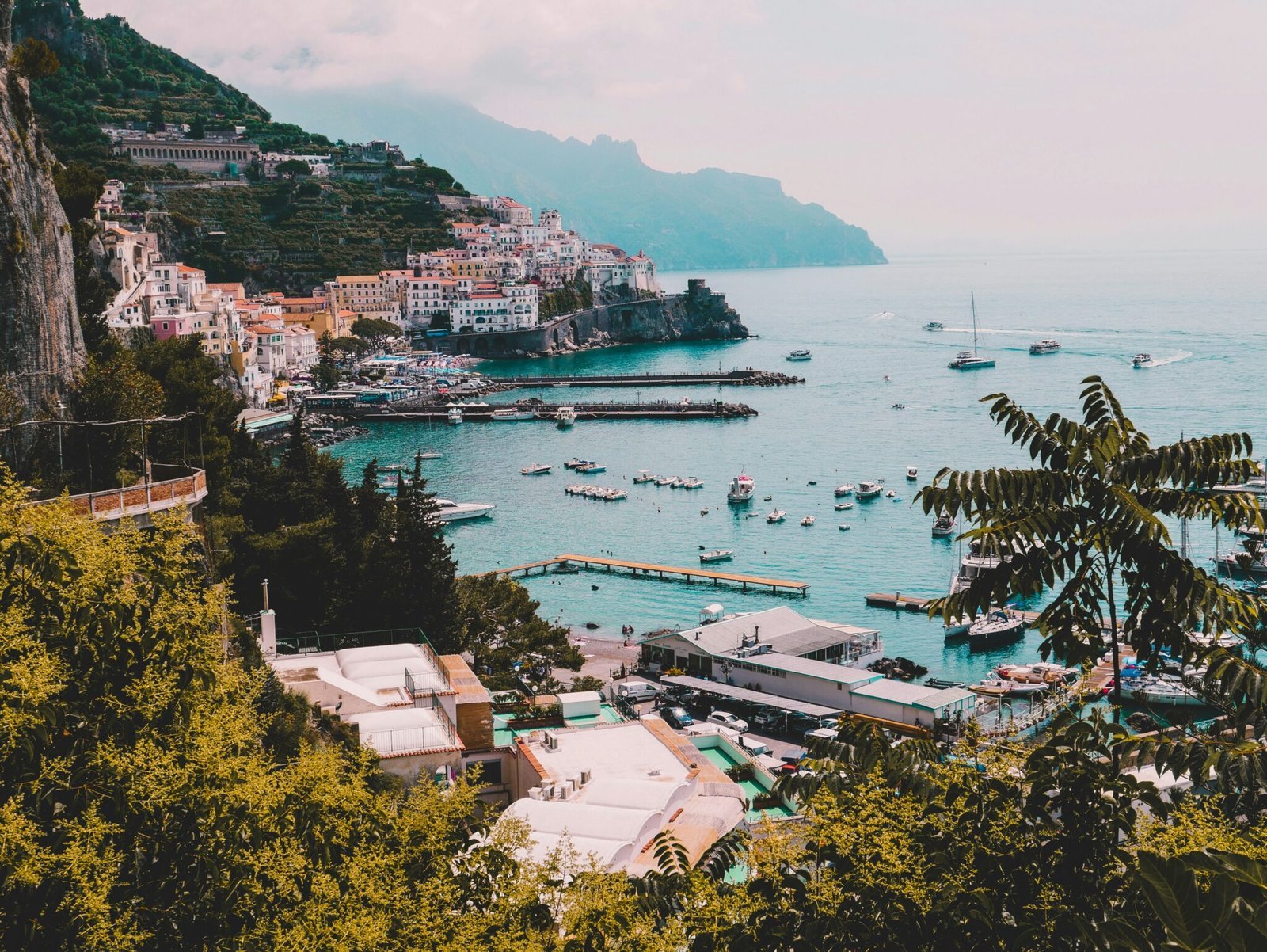
The SS163, commonly called the Amalfi Drive or Nastro Azzurro (Blue Ribbon), is the road that connects Positano, Amalfi, Ravello, and the other towns along the coast. It is approximately 40 kilometers long, cut into cliffsides, and in many sections barely wide enough for two vehicles to pass each other. It is also used by full-size SITA buses, delivery trucks, and tour coaches, all sharing the same narrow space with rental cars and motorcycles.
Road accidents on the Amalfi Drive are the most significant safety risk for visitors to the region. The combination of blind corners, sheer drops, unfamiliar road conditions, and local drivers who navigate the route at speed creates conditions that catch many tourists off guard. The road has no significant barriers in many sections, and a misjudgment at a corner can have serious consequences.
We took a bus from Sorrento to the Amalfi Coast, and my husband, who is afraid of heights, had a full-fledged panic attack. He said he would have felt a lot safer if he were the one driving. Those winding roads are scary, and I would not go back by car, only by boat.
Check out the 411 of Driving in Italy.
Should You Drive the Amalfi Coast?
Many visitors are better off not driving the Amalfi Drive at all. The combination of ferries and SITA buses covers the entire coast effectively, and removing yourself from behind the wheel eliminates the main safety risk on the coast. This is not a road to drive for the experience of driving it. The views are real but so are the risks.
If you do drive, there are specific conditions that make it significantly safer. Driving in the early morning (before 8 AM) or in the evening dramatically reduces traffic volume. Traveling from east to west (Amalfi toward Positano) puts you on the mountain side of the road rather than the cliff side, which is psychologically easier and practically safer for many of the passing maneuvers. A small car is strongly preferable to anything larger, and an automatic transmission removes one variable from an already demanding driving environment.
Motorcycles and scooters are popular on the coast but carry additional risk on this road. Wet road surfaces, which occur regularly in spring and fall, make two-wheeled vehicles much harder to control on the tight corners.
Planning Tip: Book ferry tickets in advance for peak season (June through August). Ferries connect Positano, Amalfi, Ravello, Maiori, and Salerno, and they are by far the safest and most pleasant way to move between towns. From Sorrento or Naples, ferries to Positano and Amalfi are also available. On days with rough sea conditions, ferries may be cancelled, so have a bus route as a backup.
Parking on the Amalfi Coast
Parking adds another layer of difficulty to driving the coast. Most towns have very limited parking, often in multi-story garages that charge significant daily rates, and driving around looking for a space on narrow streets increases both the risk of an accident and the stress of the experience considerably. If you do drive, identify your parking destination in advance rather than assuming you will find somewhere when you arrive.
Crime and Petty Theft
Crime on the Amalfi Coast is predominantly petty theft and opportunistic pickpocketing rather than anything more serious. The towns of Positano, Amalfi, and Ravello are small, tourist-oriented, and well-policed relative to their visitor numbers. Violent crime targeting tourists is essentially not a feature of this area.
Pickpocketing Risks
The highest pickpocketing risk on and around the Amalfi Coast is in Naples, which many visitors pass through on the way in or out. Naples has a well-documented issue with phone snatching and bag theft in crowded areas, particularly around the Circumvesuviana train station and the ferry terminals. Keep bags closed and in front of you, avoid having your phone out in crowded street-level situations, and be aware of your surroundings in Naples city center.
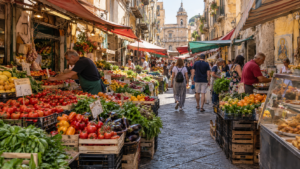
On the coast itself, the highest-risk moments are crowded ferry embarkation and disembarkation points, busy market days, and very crowded piazzas in peak season. These are the same conditions that apply to popular tourist areas across Italy and much of Europe. A crossbody bag, a money belt for documents, and basic situational awareness are adequate precautions.
Outdoor restaurant tables near pedestrian traffic are another spot where phones left on the table can be grabbed. This applies in Positano and Amalfi towns as much as anywhere.
Scams on the Amalfi Coast
Tourist-oriented scams in the region include unlicensed taxi drivers charging significantly above standard rates, particularly from Naples Airport and from Sorrento. Agree on a price in writing before getting in, or use licensed taxis with meters. Water taxis between towns on the coast sometimes quote prices verbally and then claim a misunderstanding at the destination. Confirm the fare before boarding any private boat or taxi service.
Natural Hazards
The Amalfi Coast’s dramatic landscape creates genuine natural hazards that visitors need to be aware of, even if they are rarely life-threatening when basic precautions are followed.
Rockfalls
Rockfalls are the most serious natural hazard on the Amalfi Coast. The limestone cliffs above the coastal road and many of the hiking paths are prone to rock displacement, particularly after rain, during periods of freeze and thaw, or following earthquakes. Rockfall incidents do occur on the SS163 and have occasionally caused road closures and vehicle damage.
When authorities close sections of the coastal road or hiking trails, the closures are genuine and should be respected. Temporary road closures, particularly after heavy rain, are not unusual. Following local guidance and checking for trail closure notices before setting out on any hiking route reduces this risk significantly.
Heat and Sun
Summer temperatures on the Amalfi Coast regularly exceed 35°C, and the combination of direct sun, physical exertion on steep paths, and limited shade creates a real heat exhaustion risk. This is particularly relevant for anyone hiking the Path of the Gods or other elevated trails in July and August. Carry significantly more water than you think you will need, start hikes early in the morning, and take shade breaks during the hottest hours of the day (12 PM to 3 PM).
Sunburn at the beach is a simpler problem but deserves mention: the reflection off the water and the intensity of the Southern Italian summer sun mean visitors from cooler climates burn faster than expected. High-SPF sunscreen applied before going to the beach and reapplied regularly is not optional in July and August.
Flash Floods and Landslides
Heavy rainfall in autumn and winter can cause flash flooding and landslides on the Amalfi Coast. The region has experienced serious landslide incidents historically, and November through February is the period of highest risk. Travelers visiting outside peak season should monitor weather forecasts, avoid hiking in heavy rain, and be aware that some roads and paths may be closed. This is primarily a concern for off-season visitors rather than the typical summer tourist.
Swimming Safety
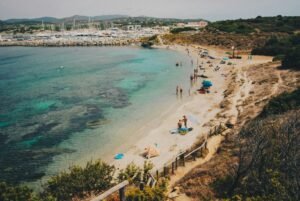
Swimming on the Amalfi Coast is generally safe, but the beaches are different from what many visitors expect. Most of the coast’s beaches are rocky rather than sandy, and the water can be deep very close to shore in places. The dramatic coves that look beautiful in photographs often have rocky entries and exits that require water shoes and care.
Currents and Conditions
The sea around the Amalfi Coast is generally calm in summer, but sudden changes in conditions can produce unexpected currents and wave action, particularly around headlands and in cove entrances. Mauve stinger jellyfish (Pelagia noctiluca) appear seasonally in the Tyrrhenian Sea, typically in summer. Their stings are painful but not dangerous for healthy adults. Local beach operators and hotels usually know when jellyfish are present in an area.
Boat Traffic
Many of the most scenic swimming spots on the Amalfi Coast are accessible by boat, and boat traffic in and around these areas is significant in peak season. Swimming beyond the marked buoy lines (which designate swimmer-only areas) brings you into proximity with motorized vessels. Staying within the buoyed zones is both a legal requirement and a genuine safety measure.
Lifeguard Coverage
Private beach clubs (stabilimenti) on the Amalfi Coast typically employ lifeguards during opening hours. Free public beaches and wild swimming spots do not have lifeguard coverage. This is worth knowing if you are swimming with children or in a location you are not familiar with. Avoid swimming alone at unmonitored locations.

Hiking Safety
The Amalfi Coast has some of the most spectacular hiking in Italy, including the famous Path of the Gods (Sentiero degli Dei) between Agerola and Nocelle. These trails offer extraordinary views but require respect for the conditions. Hiking accidents are among the most common serious incidents involving tourists in the region.
Trail Conditions
Many trails on the Amalfi Coast follow cliff edges with significant exposure. Some sections have no barriers. The path surfaces can be uneven, loose, or slippery when wet. Wearing proper hiking footwear is essential. Sandals and flip flops are not appropriate for any serious trail on this coast, and visiting emergency services see preventable ankle injuries and worse every season from visitors who underestimate the paths.
Trail closures are imposed when paths are considered unsafe due to rockfall risk, wet conditions, or maintenance. These closures are not suggestions. The Path of the Gods and other popular routes have been closed at various times due to dangerous conditions. Check local trail status before setting out, particularly outside peak summer months when maintenance is less consistent.
Heat and Water on Trails
Hiking in full summer heat is the other major risk. The Path of the Gods gains significant elevation and has long exposed sections with no shade. Starting the hike before 7 AM is the standard recommendation for summer months. Carry at least two liters of water per person, and plan where you will refill if the hike is longer than a few hours. Heat exhaustion at elevation on a cliff trail is a serious situation.
Planning Tip: For the Path of the Gods, starting from Agerola and walking toward Nocelle (east to west) is generally considered easier and more manageable than the reverse direction. The endpoint at Nocelle is a short distance from Positano, where you can take a local bus down to the waterfront. Start early, bring more water than you think you need, and check that the trail is open before you go.
Getting Around Safely
How you move around the Amalfi Coast has a significant effect on your safety. The safest and most relaxing transport options are also often the most scenic.
Ferries
Ferries are the safest way to move between coastal towns. They run between Positano, Amalfi, Maiori, and Salerno and also connect to Sorrento and Naples. In calm summer weather, they are reliable and extremely pleasant. The main limitation is the weather: ferries can be suspended when sea conditions are rough, which happens most often in spring and autumn. In summer, the sea is usually calm enough for regular service. Travelmar and Alicost are the main operators on the coast.
SITA Buses
The SITA bus service connects all the main towns along the SS163. Buses are inexpensive, run regularly, and are perfectly safe, but they are also extremely crowded in peak season and the journey times are slow due to traffic and the nature of the road. They are not comfortable in the way that a ferry is, but they are a reliable backup when ferries are not running and a practical option for towns not served by water. Buy tickets at a tobacchi (newsagent) before boarding.
Taxis and Private Transfers
Licensed taxis operate on the coast and provide a comfortable if expensive way to travel between towns. Always agree on a price before departure, or confirm that the driver will use the meter. Private transfer services booked in advance through your hotel are generally reliable and clearly priced.
Solo Female Travel on the Amalfi Coast
The Amalfi Coast is considered safe for solo female travelers. Violent crime is not a feature of the region, and the tourist-heavy nature of the towns means there is always company and visibility. Solo female travelers regularly visit the coast without incident.
Italy has a cultural reputation for verbal attention directed at women, and some solo female travelers do report catcalling or unwanted comments, particularly in more urban settings like Naples or on the Circumvesuviana train. On the Amalfi Coast itself, the experience is generally more muted, though it is not absent. Ignoring and continuing to walk is the standard and effective response. Engaging rarely helps and sometimes escalates.
Practical tips for solo female travelers include staying in centrally located accommodation so evening walks back are short and well-lit, being aware in crowded transport situations, and trusting your instincts about specific situations. The coast is well-touristed, and individual towns are small and easy to navigate, which makes solo travel particularly manageable here.
Best Time to Visit for Safety and Comfort
| Month | Road Conditions | Crowds | Hazards | Verdict |
|---|---|---|---|---|
| May / June | Manageable | Building up | Occasional rain | Good shoulder season |
| July / August | Very heavy traffic | Peak | Heat, jellyfish | Most crowded and most stressful |
| September / October | Much easier | Significantly fewer | Some rain in Oct | Best overall months |
| November to March | Light traffic | Very quiet | Storms, path closures | Off-season; some services closed |
September and October are the best months to visit the Amalfi Coast from a safety and comfort perspective. The summer heat has eased, the sea is still warm (24 to 26°C in September), crowds have dropped substantially after the Italian school year begins in mid-September, and traffic on the SS163 becomes genuinely manageable rather than a grinding standstill. Road conditions improve dramatically when the tourist volume drops.
July and August are the most challenging months from a safety standpoint: the road is congested for most of the day, the heat creates dehydration and heat exhaustion risks during any physical activity, and the volume of tourists at every ferry terminal and piazza increases the petty theft exposure. The coast is at its most beautiful in these months but also at its most stressful.
Winter visits (November through March) require the most preparation. Some services close entirely, ferry schedules reduce to skeleton timetables, and rockfall and landslide risk increases after autumn rains. The coast is dramatically quieter and genuinely beautiful in winter light, but the weather can be unpredictable, and some hiking routes will be closed.
Frequently Asked Questions: Is the Amalfi Coast Safe?
Is the Amalfi Coast safer than Naples?
Yes, by most measures. Naples has higher rates of petty theft and a more chaotic urban environment that requires more vigilance. The Amalfi Coast towns are small, heavily touristed, and have much lower crime rates. If you are anxious about your trip, the Amalfi Coast itself should not be the source of that anxiety: Naples, where many visitors arrive, requires more awareness. That said, Naples is also safe for informed travelers who take reasonable precautions.
Is it safe to swim on the Amalfi Coast?
Yes, swimming is safe with standard precautions. Most beaches are rocky rather than sandy, so water shoes are useful. Swim within the marked buoy lines to avoid boat traffic. Jellyfish appear seasonally in summer but are not dangerous to healthy adults. Private beach clubs have lifeguard coverage; wild swimming spots do not.
Is it safe to drive the Amalfi Coast road?
It is driveable but genuinely challenging and carries real risk if you are not comfortable with narrow mountain roads. Driving in the early morning or evening reduces traffic significantly. A small car is essential. Many visitors are better served by the combination of ferries and buses, which are safe and cover the coast effectively. If you are not confident driving on very narrow roads with blind corners and steep drops, do not drive this road.
Which is the safest town on the Amalfi Coast?
All of the main Amalfi Coast towns are safe. Positano, Amalfi, and Ravello all have very low crime rates and are heavily visited. Ravello sits above the coast road, which removes the road noise and traffic entirely and makes it the most peaceful base. Praiano, between Positano and Amalfi, is quieter than either and also an excellent and safe base. The town choice matters more for ambiance and access than for safety differences.
Is the Amalfi Coast safe for solo female travelers?
Yes. The coast is considered safe for solo female travelers, and many travel solo here each year without incident. Violent crime is rare. Some catcalling or verbal attention can occur, more often in Naples than on the coast itself. Standard precautions: stay in central accommodation, be aware in crowded transport, and trust your instincts in specific situations. The tourist-heavy, small-town nature of the Amalfi Coast makes it one of the more manageable solo female destinations in southern Italy.
Is the Amalfi Coast safe in October?
October is one of the better months to visit in terms of comfort and reduced crowds. The sea is still warm enough to swim in the first half of the month. The main consideration in October is the weather: autumn storms can occur, ferry services may be suspended on rough days, and some hiking trails can become slippery after rain. Rockfall risk increases slightly in wet conditions. None of these are reasons to avoid October, but having a flexible itinerary and a backup plan for ferry cancellations is sensible.
Is it safe to take the Circumvesuviana train?
The Circumvesuviana is the regional train that connects Naples to Sorrento (the western gateway to the Amalfi Coast). It is safe to use but is also known as a high-risk area for pickpocketing and bag theft, particularly on the Naples end. Keep bags in front of you, do not leave luggage unattended, and be aware of your surroundings on the platform and on the train. Many travelers book private transfers from Naples to Sorrento to avoid the train entirely, particularly if traveling with significant luggage.
Bottom Line: The Amalfi Coast is safe, and the concerns worth preparing for are practical rather than alarming. Learn the ferry schedules, take the road seriously if you plan to drive it, carry a crossbody bag in crowded areas, start hikes early in summer, and bring more water than you think you need on any trail. Do those things, and the Amalfi Coast is as safe as anywhere in the Mediterranean.