Favignana is one of those places that looks almost too good to be real. The water at Cala Rossa is a deep turquoise over carved limestone. The island is flat enough to explore by bike in a morning. And the ferry from Trapani takes 25 minutes. For one of the most beautiful places in the Mediterranean, that is an almost unfair level of convenience.
Favignana is the largest of the Egadi Islands — a small archipelago of three islands off the western tip of Sicily, sitting in the Strait of Sicily between the Sicilian coast and Tunisia. Most visitors come as a day trip from Trapani, which works well. But staying overnight changes the experience considerably: the day-trippers leave in the late afternoon, the town quiets down, and Favignana becomes a genuinely peaceful island rather than a busy beach destination. This guide covers everything you need to plan your visit — whether you have one day or three.
Getting to Favignana from Trapani
Trapani is the main gateway to Favignana, and the crossing is straightforward. Two types of service run regularly from the Trapani ferry terminal (Molo di Levante, close to the historic center):
- Hydrofoil (aliscafo) — the faster option, taking around 25–30 minutes. Operated by Liberty Lines. More expensive than the regular ferry but much quicker. Runs frequently in summer — roughly every 30–60 minutes during peak season. Book ahead for July and August crossings.
- Car ferry — takes around 60–75 minutes and allows you to bring a car or motorbike. Operated by Siremar / Caronte & Tourist. Most visitors do not bring a car to Favignana — the island is best explored by bike — but the ferry is cheaper per person and has more space.
Round-trip hydrofoil tickets cost approximately €20–25 per person (2025 prices). The crossing is generally calm but can be choppy in windy conditions — the Egadi Islands sit in open water and the strait can get rough, particularly in autumn and spring. Check Liberty Lines’ website for current timetables and book online in advance for summer travel.
Favignana can also be reached by ferry from Marsala (further south along the Sicilian coast), though Trapani is the more convenient and more frequently served port for most travelers. For car rental advice if you are basing yourself in Trapani, see our guide to renting a car in Sicily.
Getting Around Favignana
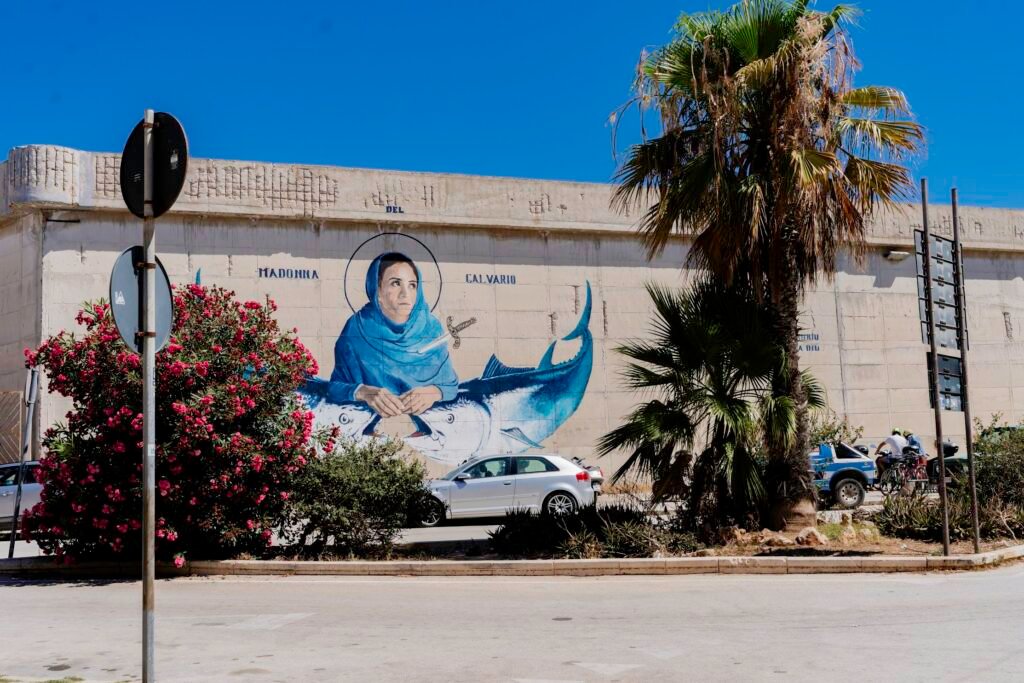
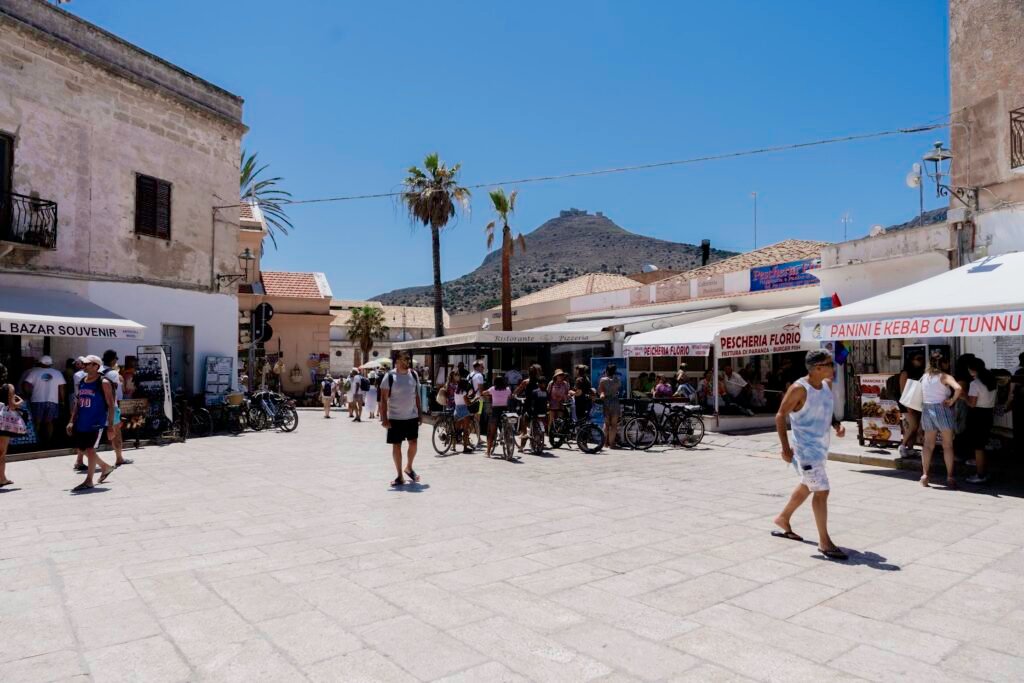
Favignana is almost perfectly flat — unusual for a Mediterranean island — which makes it ideal for cycling. Rent a bike as soon as you arrive; the port area has several rental shops and the price is typically €5–10 for the day. Electric bikes are also available if you want to cover more ground with less effort. Most visitors are on bikes, which gives the island a pleasantly unhurried feel even at peak times.
Scooters and small electric vehicles are also available to rent for those who prefer not to cycle. The island is small enough — roughly 20 square kilometers — that a bike genuinely gives you access to everything worth seeing.
Things to Do in Favignana
The Coves: Cala Rossa, Cala Azzurra & Beyond
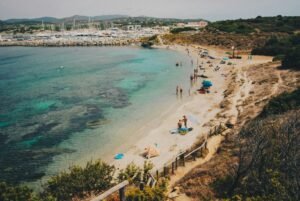
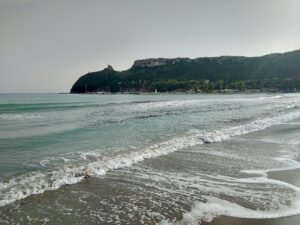
The coves are the main event. Favignana’s coastline is carved limestone — dramatic, irregular, and extraordinarily beautiful — with pockets of turquoise and emerald water that are consistently among the clearest in Italy. The best ones to visit:
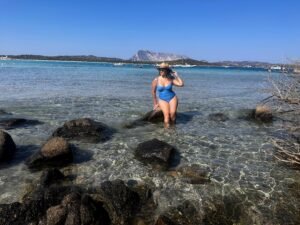
- Cala Rossa — the most famous cove on the island, on the northeastern coast. The name comes from the reddish tint of the limestone cliffs, carved into dramatic shapes by centuries of tuna fishing activity. The water is deep turquoise. There is no sandy beach — you swim from the rocks or from flat limestone ledges — but the setting is extraordinary. Arrive early in summer; it fills up quickly.
- Cala Azzurra — on the southeastern coast, Cala Azzurra has calmer, shallower water than Cala Rossa and is better for families and less-confident swimmers. The color of the water in full sun looks almost artificially blue. Small amount of sand at the water’s edge.
- Lido Burrone — the largest proper sandy beach on Favignana, on the southern coast. More organized than the rocky coves, with beach club facilities and loungers available. Good for a more comfortable beach day.
- Bue Marino — a quieter cove on the southwestern side, less visited than Cala Rossa and Cala Azzurra. Worth the bike ride for a more peaceful swim.
- Cala del Bue Marino — adjacent to Bue Marino and equally beautiful; snorkeling here is excellent.
Ex Stabilimento Florio (Tuna Factory Museum)
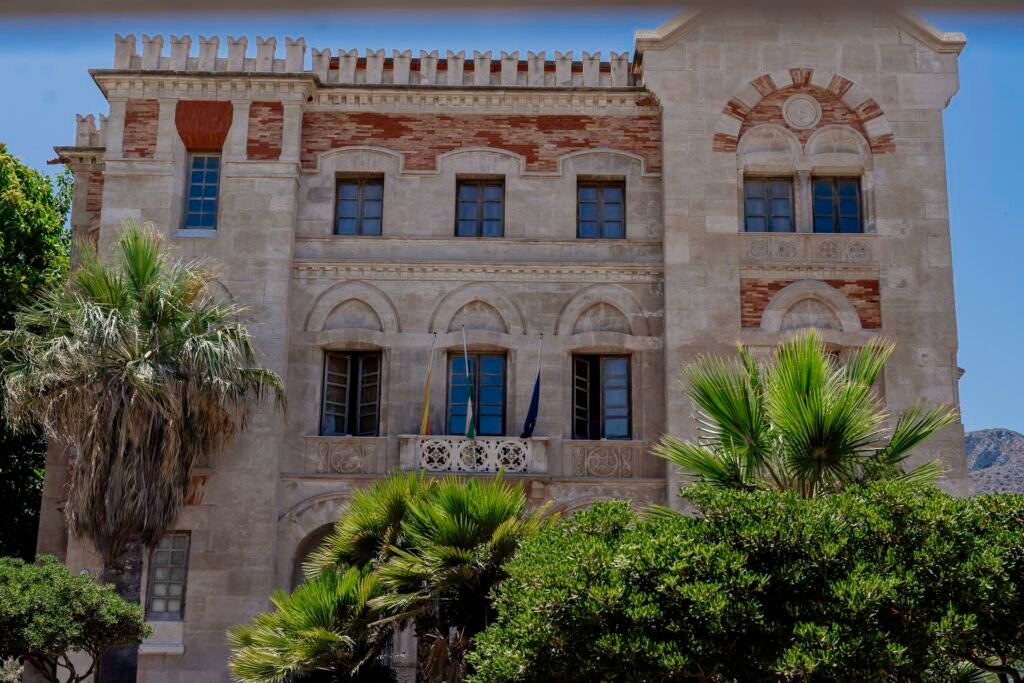
The old tuna factory on the waterfront is one of the most interesting heritage sites in western Sicily. The Ex Stabilimento Florio was once the largest tuna processing plant in the Mediterranean, built in the mid-19th century by the powerful Florio family — the Sicilian industrialists who also built the tonnara at Scopello and had a hand in seemingly everything of commercial importance in 19th-century Sicily.
The factory has been converted into a museum that tells the story of the mattanza — the traditional tuna hunt that took place in these waters for centuries, using an elaborate system of nets called the camera della morte (chamber of death). The last mattanza took place in 2007, ending a tradition that had defined island life for generations. The museum is well worth an hour of your time and gives real context to the landscape you see around the coves.
Favignana Town & the Castle
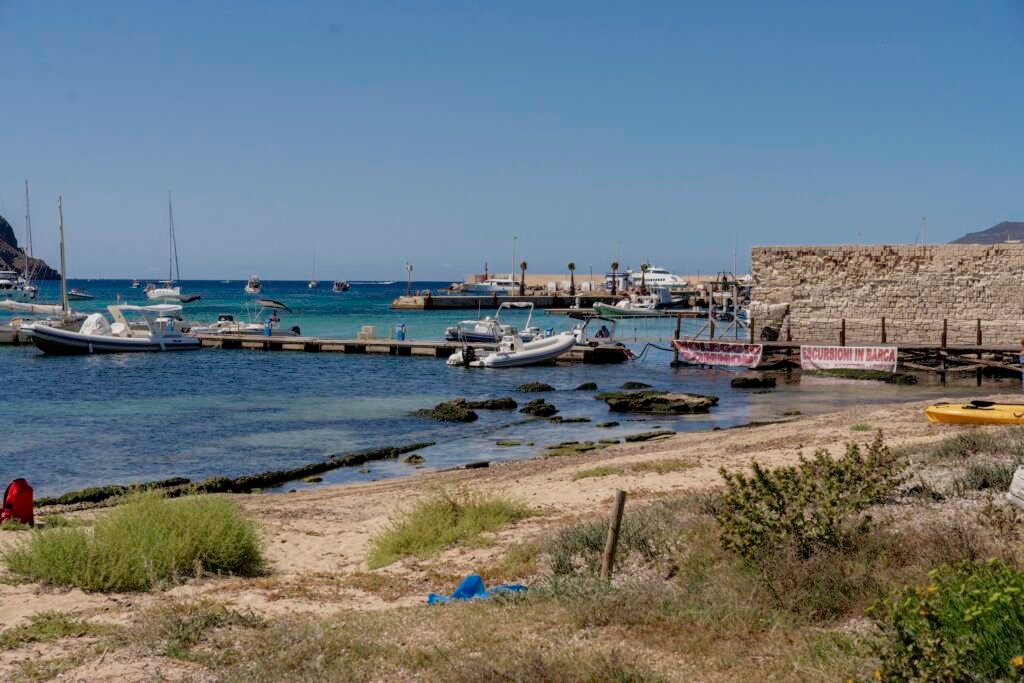
Favignana town, clustered around the port, is small, pretty, and walkable in 20 minutes. The main piazza has cafes, restaurants, and the 19th-century Palazzo Florio. Above the town, the Castello di Santa Caterina sits on the island’s highest point—a Norman fortress later used as a prison. The walk up takes 15–20 minutes from the port and rewards you with views over the entire island, the other Egadi Islands (Levanzo and Marettimo are both visible), and the Sicilian coast toward Trapani on a clear day.
Boat Trips & Snorkeling
Organized boat trips around Favignana and to the other Egadi Islands run from the port daily in season. A full-day trip typically covers the sea caves and coves of Favignana, stops at Levanzo (the smallest of the Egadi Islands, with prehistoric cave paintings), and sometimes continues to Marettimo — the most remote and least visited of the three, with wild, undeveloped coastline. These trips are an excellent way to reach parts of the coastline not accessible by bike and to swim in coves that rarely see crowds.
Where to Stay in Favignana
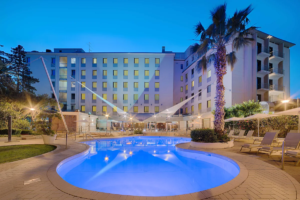
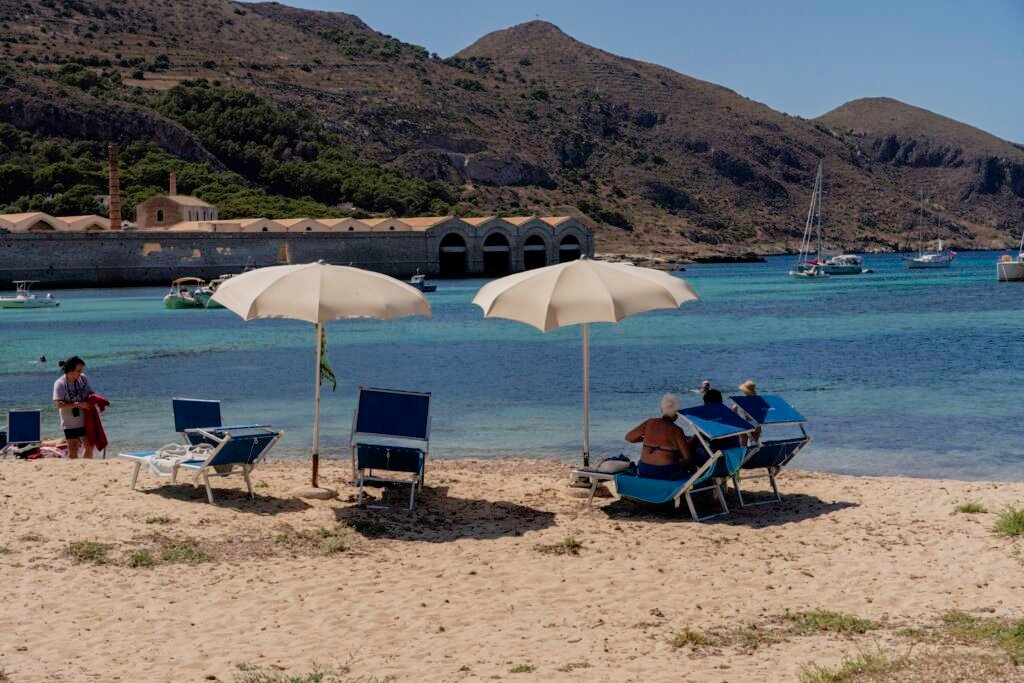
Favignana has a modest but solid range of accommodation — mostly small hotels, B&Bs, and apartments rather than large resort properties. The island is not geared toward luxury tourism in the Capri sense; it is much more low-key, which is a large part of its appeal.
| Budget | What to Expect |
|---|---|
| Budget (under €80/night) | Simple B&Bs and rooms in town, often family-run. Clean, functional, and close to the port for ferry access. |
| Mid-range (€80–180/night) | Small boutique hotels and guesthouses, some with terraces and sea views. The sweet spot on the island. |
| Luxury (€180–350+/night) | A small number of design hotels and converted properties; limited options compared to larger Sicilian destinations. |
| Apartments & self-catering | Good value for 2+ nights; cooking your own fresh fish from the market is a genuine pleasure. |
For a day trip, staying in Trapani and taking the morning ferry is perfectly practical — and gives you a much wider range of accommodation, restaurants, and transport options. See our guide to where to stay in Sicily for options across the western part of the island.
Book early for summer. Favignana has limited accommodation capacity and fills up fast in July and August — particularly for weekends. If visiting in peak season, book at least 2–3 months in advance.
Where to Eat in Favignana
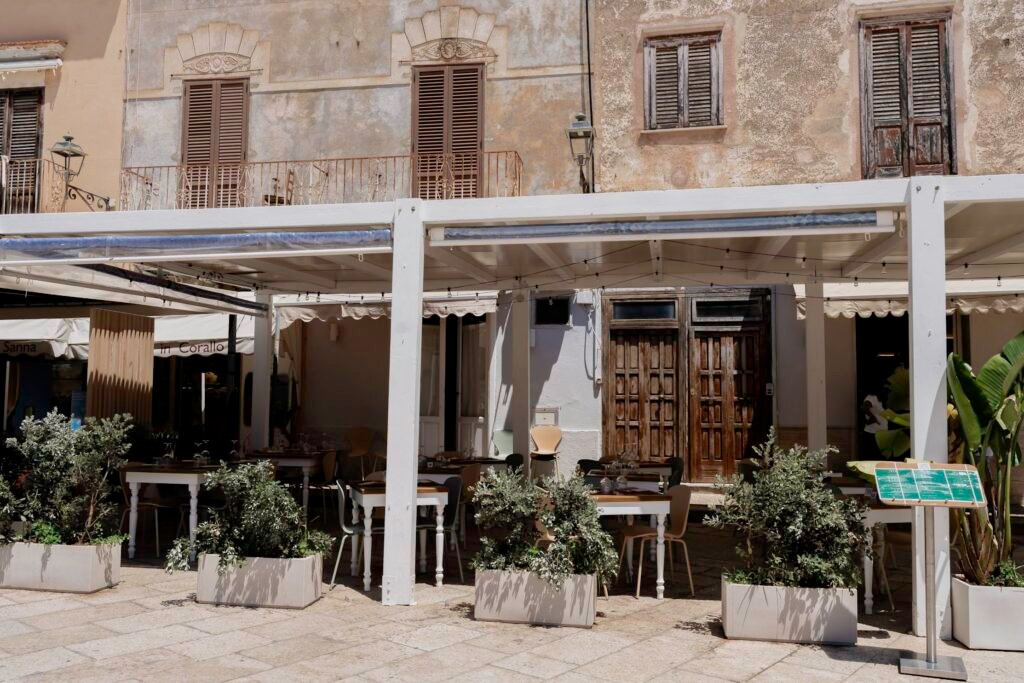
The food is centered around the sea — specifically tuna, which remains the defining ingredient of Favignana’s cuisine even though the mattanza is no longer practiced. Tonno rosso (bluefin tuna) appears in every form: raw as carpaccio, grilled, slow-cooked in tomato sauce, or cured as bottarga (the pressed, dried roe that is one of Sicily’s great pantry ingredients). The fish is exceptional and the prices at the port-area restaurants are reasonable by Italian island standards.
For breakfast, the bars around the main piazza serve excellent coffee, fresh pastries, and in summer the granita with brioche that is the standard Sicilian morning ritual. The evening passeggiata around the port is a genuine local tradition—the town quiets after the last ferry but stays lively until late for those staying overnight.
Best Time to Visit Favignana
May and June are the best months. The water is warm enough to swim (22–24°C), the island is operating at full capacity without being overwhelmed, the wildflowers on the limestone plateau are at their peak, and the light in the coves is extraordinary. You can get a spot at Cala Rossa in the morning without arriving at dawn.
September is equally good — the sea temperature peaks in late August and stays warm through October (25–26°C), the summer crowds drop significantly after the first week, and the island returns to something closer to its off-season character while still being fully open.
July and August are the busiest months. Favignana handles peak summer better than some Italian islands because the coves are spread around the coastline and the bike system keeps crowds distributed. That said, August weekends are genuinely crowded. If visiting in August, aim to be at Cala Rossa before 9am and expect company by mid-morning.
October to April — many restaurants and accommodation options close or operate limited hours outside summer. The island has a raw, quiet beauty in the off-season, but go knowing services will be limited and ferry frequency drops significantly.
Is Favignana Worth It?
Yes — without hesitation. Favignana consistently delivers something that is getting harder to find in Italian coastal tourism: genuine natural beauty with minimal infrastructure, swimming from pristine limestone coves rather than organized beach clubs, and an island that still feels like it belongs primarily to the sea and the people who live there rather than the tourist industry.
The proximity to Trapani makes it exceptionally easy to include in a western Sicily itinerary. If you are basing yourself in Trapani — or even passing through on the way to the salt flats, Marsala, or the road south — a day on Favignana is one of the best things you can add to your trip. The ferry takes 25 minutes each way, the bike rental costs almost nothing, and the coves are some of the most beautiful water in the Mediterranean.
If you want to stay longer — and many visitors wish they had booked more nights — two days gives you time to cover the main coves at a relaxed pace, take a boat trip to Levanzo, eat well, and see the tuna factory museum. Three days starts to feel genuinely unhurried.
Practical Tips for Visiting Favignana
- Book ferries in advance for summer. Liberty Lines hydrofoils sell out on busy summer days — book online at least a few days ahead for July and August, and especially for Ferragosto weekend (August 14–16).
- Rent a bike immediately on arrival. Rental shops near the port can run out of bikes in peak season. Go straight from the ferry to the nearest rental shop before heading to the coves.
- Bring cash. The smaller beach-side kiosks, market stalls, and some B&Bs remain cash-only. There is an ATM in the main piazza.
- Start with Cala Rossa. If you only have one day, go to Cala Rossa first — it is the most popular cove and fills up fastest — and work your way around the island from there.
- Bring snorkeling gear. The water visibility is exceptional. Gear can be rented on the island but bringing your own is cheaper and more reliable.
- The tuna factory museum is worth the entry fee. It adds real depth to the experience and takes about an hour.
- Sunset from the port is excellent. If you are staying overnight, the west-facing harbor gives a clear view of the Sicilian sunset over the water. The light in June and September is particularly good.
Favignana & the Other Egadi Islands
Favignana is the most accessible of the three Egadi Islands, but Levanzo and Marettimo are both worth knowing about. Levanzo is tiny and very quiet, home to the Grotta del Genovese — a sea cave containing prehistoric cave paintings and engravings dating back to the Paleolithic era. Marettimo is the most remote and arguably the most beautiful: wild, largely undeveloped, with snorkeling and diving that many consider the best in Sicily.
Day trips to both islands run from Favignana’s port. I plan to visit Levanzo and Marettimo on future trips and will update this guide with firsthand notes when I do.
For more on western Sicily and how to plan your time in this part of the island, see our guides to where to stay in Castellammare del Golfo, our Lo Zingaro trail guide, and the complete Sicily accommodation guide.