Yes, Madrid is safe for tourists. It consistently ranks among the safer major capitals in Europe, and serious crime targeting visitors is rare. The main thing to watch is petty theft: pickpockets work the busiest tourist areas, and a handful of street scams target anyone who looks like they just landed. Know what to look for, and you will be fine.
I want to be straight with you: Madrid is not a city where you need to be on high alert every second. It is a city of 3 million people going about their lives, and most of those lives involve absolutely no interest in your wallet. What you do need is the same awareness you would bring to any large European city with heavy tourist foot traffic. A little situational awareness goes a long way.
Here is everything you actually need to know before you go.

The Real Risk in Madrid Is Pickpocketing, Not Violence
Madrid’s crime problem for tourists is almost entirely petty theft, and it’s concentrated in specific places and situations. Violent crime targeting visitors is uncommon. What you are more likely to encounter is someone skilled at lifting a phone from an open bag or slipping a wallet out of a back pocket in a crowded metro car. These things happen, they are annoying, and they are avoidable with basic precautions.
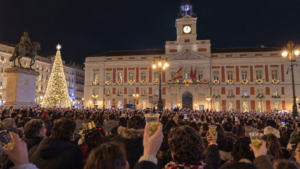
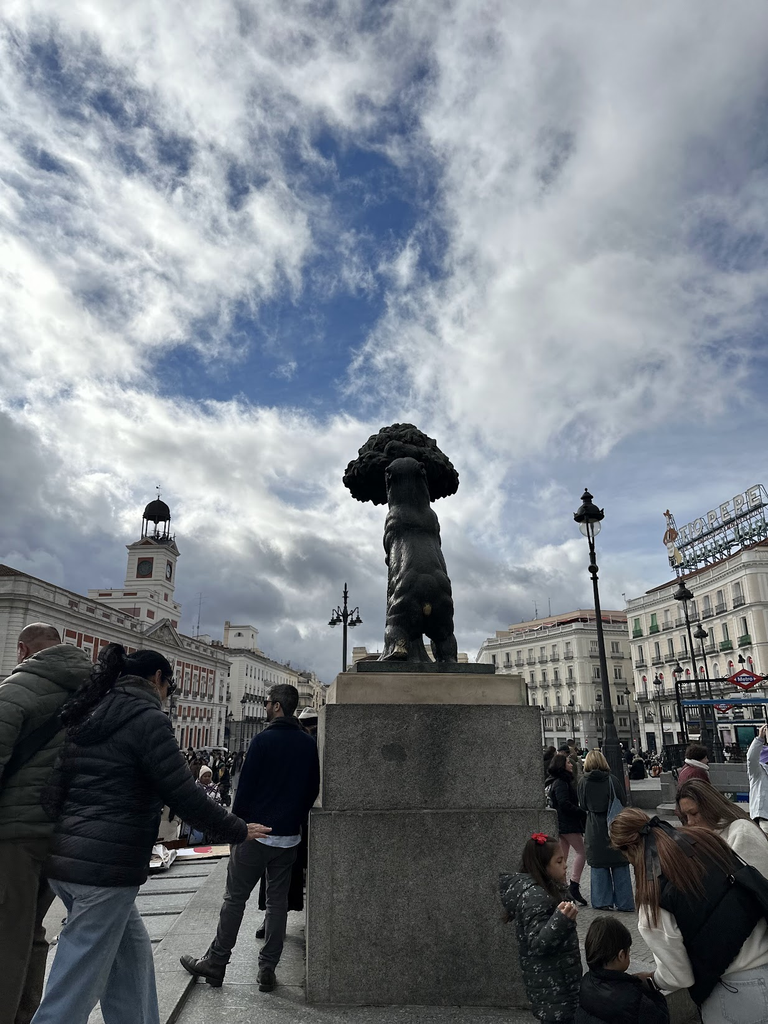
The hotspots are predictable: Puerta del Sol and the surrounding pedestrian streets, the metro (especially during rush hour and on Line 8 to the airport), El Rastro Sunday market in La Latina, and anywhere large crowds gather around major tourist attractions. These are not places to avoid. They are places to keep your bag in front of you and your phone in your pocket.
Standard precautions that actually work: use a bag with a zipper that you keep in front of you on crowded transport, never put your phone on a restaurant table you are about to leave, keep your wallet in a front pocket rather than a back one, and be extra aware in slow-moving crowds like markets and plaza gatherings. A crossbody bag or a bag you hold against your body is the single most effective thing you can do.
The Scams Worth Knowing About
Madrid has a few street scams that show up reliably enough that you should know what they look like before you see them. None of them are violent. All of them rely on distraction or social pressure.
The three-card monte (shell game). You will see this set up on folding tables around Sol, Gran Via, and near major sights. A dealer shuffles cards or cups fast, a crowd gathers, someone “wins” big. The crowd is almost entirely in on it. You will not win. The people who look like random bystanders are working with the dealer. Walk past.
The rosemary ladies. Women, often near the Reina Sofía and other tourist areas, will approach you and press a sprig of rosemary into your hand as a “gift.” Once you take it, they will grab your hand to read your palm and then demand payment. The moment someone presses anything into your hands on the street, just keep walking.
The found ring. A stranger picks up a gold ring near you, examines it, and offers it to you as a “lucky find.” When you engage, they ask for money for bus fare or something similar. The ring is worthless and the story is fake. Smile and keep moving.
Fake petitions. Someone approaches with a clipboard and asks you to sign a petition. While you are distracted reading or signing, an accomplice goes through your bag. If someone approaches with a clipboard in a tourist area, a polite “no thank you” while keeping both hands on your belongings is the right move.
Distraction spills. Someone bumps into you and “accidentally” spills something on you, then offers to help clean it up. While they are helping, someone else goes through your pockets or bag. If this happens, step back, wave off the help, and check your belongings before anything else.
Getting from the Airport to the City Safely
Airport arrival is one of the moments when tourists are most vulnerable, mainly because you are tired, loaded with luggage, and still adjusting to a new city.
The safest options are the official ones: the metro Line 8 (pink line) from terminals T1, T2, and T3, Cercanías line C1 from T4, or an official white taxi with the red diagonal stripe. The flat rate for a licensed taxi from any point in the city to the airport is 30 EUR in either direction. That is regulated by the city. Confirm it with your driver before you go anywhere.
Avoid anyone who approaches you in the arrivals hall offering a taxi or private transfer. These drivers are unlicensed, and prices aren’t regulated. Stick to the official taxi rank outside arrivals or download Cabify or Uber before you land so you have an app-based option ready.
On the metro from the airport, keep your luggage close and your bag in front of you. Line 8 from the airport is one of the more targeted spots for luggage-distraction theft. You are not going to get robbed. You just want to stay aware.
Which Madrid Neighborhoods Are Safe
All of the neighborhoods you are likely to visit as a tourist are safe to walk around, including at night. Sol, Gran Via, Malasaña, Chueca, La Latina, Salamanca, Huertas, and Lavapiés are all fine. Lavapiés has a reputation for being edgier than the others, which is somewhat outdated. It is a genuinely multicultural neighborhood worth visiting, and the main safety consideration is the same as everywhere else: be aware in crowded situations.
Chueca is one of Madrid’s most welcoming neighborhoods, especially for LGBTQ+ travelers. The vibe is inclusive and relaxed, the bars stay open late, and it is a genuinely safe place to be at any hour.
If you are staying centrally, you will probably walk through most of these neighborhoods without any issues. Areas tourists generally don’t need to go near, like Carabanchel or Vallecas, are residential outer districts that simply aren’t on the tourist itinerary. There is no reason to worry about them because there is no reason to be there.
Nightlife Safety Tips for Madrid
Madrid’s nightlife runs genuinely late, and the crowds on the streets at 2 or 3 am are normal, not alarming. The city is used to operating on this schedule and the public spaces feel lived-in rather than abandoned at those hours. Walking home from a bar in Malasaña at midnight feels about as risky as doing the same at 9 pm.
A few things worth keeping in mind when you are out late. Do not leave your drink unattended in a bar or club, which is good practice anywhere. Keep your phone in your pocket rather than in your hand when you are walking between bars. The busier the street and the later the hour, the more pickpockets tend to work the area around outdoor bar crowds. If you are taking the night buses home (the Búhos lines after the metro closes at 1:30 am), keep your bag in front of you the same way you would on the daytime metro.
Taxis and ride apps are widely available late at night in Madrid. If you do not want to deal with the night bus, Cabify and Uber both operate around the clock and are a reasonable way to get home safely without the hassle of flagging a cab at 4 am.
Also check out Where to Stay in Madrid? Or Unique Things to do in Madrid
Important Numbers to Save Before You Go
Emergency numbers for Madrid:
- 112 — European emergency number. Works from any phone, including with no SIM card. Connects to police, medical, and fire services. This is the one to call first in any emergency.
- 091 — National Police (Policía Nacional). For crimes in progress or to report a theft.
- 092 — Local Police (Policía Municipal Madrid). City-level police for local incidents.
- 061 — Medical emergencies in the Madrid region.
- 080 — Fire service.
- US Embassy Madrid — +34 91 587 2200. Available 24/7 for American citizens in emergencies abroad.
If you are pickpocketed, report it to the Policía Nacional (091 or in person at a comisaría). You will need a police report (denuncia) for any insurance claim. You can file a denuncia online at the Spanish National Police website if you prefer not to go in person, which saves time.
Frequently Asked Questions About Safety in Madrid
Yes. Madrid is one of the better European capitals for solo travel. The city is busy at all hours, public transport is reliable, and the social culture means you are rarely going to be the only person out at any time of night. Solo female travelers generally report feeling comfortable in Madrid’s main neighborhoods, though the same basic awareness applies everywhere.
Yes. The city runs late by design, and the streets in Malasaña, Chueca, La Latina, and Huertas are busy well into the early morning hours. Walking between bars or heading home after a night out is normal and generally safe. The usual precautions about keeping your phone in your pocket and your bag closed still apply.
Yes. Lavapiés has a reputation for being rough that is mostly outdated. It is a diverse, creative neighborhood with good food and a relaxed atmosphere. The main thing to know is that it is denser and more chaotic than Salamanca or Chueca, so the usual pickpocket awareness applies more here than in quieter areas.
Yes. Madrid’s tap water is safe to drink and is actually considered some of the best quality municipal water in Spain. You do not need to buy bottled water, though plenty of visitors do out of habit.
Report it to the Policía Nacional (091 or at a local comisaría) and get a denuncia for your insurance. Cancel any stolen cards immediately through your bank’s app or customer service line. If someone takes your passport, contact your country’s embassy as soon as possible. The US Embassy in Madrid is available 24/7 at +34 91 587 2200.
Very much so. Madrid is one of the most LGBTQ+-friendly cities in Europe. Chueca is the historic gay neighborhood and remains a welcoming, vibrant area. Spain legalized same-sex marriage in 2005 and Madrid’s Pride (Orgullo) is one of the largest in the world. Discrimination or harassment targeting LGBTQ+ visitors is rare.
Madrid is a safe city. Go, enjoy it, and do not spend your trip worrying. Just keep your bag zipped and your phone in your pocket on the metro, and you will be absolutely fine.