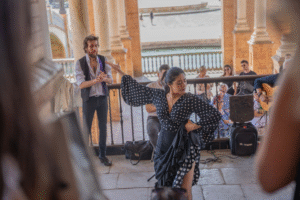
Where to Stay in Madrid: The best neighborhood for your Madrid stay depends on what you want from the trip. Sol and Centro put you at the heart of the city within walking distance of the main sights. Malasaña and Chueca offer a livelier, more local atmosphere with excellent bars and restaurants. Salamanca is the upscale option with designer shopping and quieter streets. La Latina is the place for tapas culture and weekend markets. Each area has a distinct character, and the right choice makes a real difference to how the city feels.
Key Takeaways
- Sol and Centro are the most central option and suit first-timers who want everything walkable, though they are also the busiest and noisiest areas.
- Malasaña and Chueca are the best all-around neighborhoods for most visitors: central, characterful, and well-connected, with a strong restaurant and bar scene.
- Salamanca is Madrid’s luxury district — quieter, more residential, and home to the city’s best high-end hotels and shopping.
- La Latina is the top pick for tapas culture, especially on weekends when the market and bar scene are at their best.
- Lavapiés is the most multicultural and bohemian area, with affordable accommodation and a creative, independent food scene.
- Madrid’s metro is fast and cheap, so no neighborhood leaves you badly connected—choose based on atmosphere rather than proximity alone.
Madrid does not have a single obvious place to stay. Unlike cities where the answer is almost always the historic center, Madrid has several distinct neighborhoods that all make legitimate bases, each with a different personality and a different version of the city on offer. This guide covers the main options honestly—what each area is actually like to stay in, who it suits, and what the trade-offs are.
Madrid Neighborhoods at a Glance
Madrid is a walkable city at its core, and the neighborhoods most visitors consider are all within a reasonable distance of each other. The city’s metro is one of the best in Europe. It is fast, cheap, and has extensive coverage, so even staying slightly farther out does not leave you disconnected. The table below gives a quick overview before diving into each area.
| Neighborhood | Best For | Budget Range | Noise Level |
|---|---|---|---|
| Sol / Centro | First-timers, sightseeing | Mid to high | High |
| Malasaña | Atmosphere, bars, restaurants | Mid | Medium-high |
| Chueca | Nightlife, LGBTQ+ scene, food | Mid to high | Medium-high |
| Salamanca | Luxury, quiet streets, shopping | High | Low |
| La Latina | Tapas, weekend markets | Budget to mid | Medium (high weekends) |
| Lavapiés | Budget, bohemian, multicultural food | Budget to mid | Medium |
| Retiro / Prado | Museums, families, peace and quiet | Mid to high | Low |
Sol and Centro: Most Central, Most Convenient
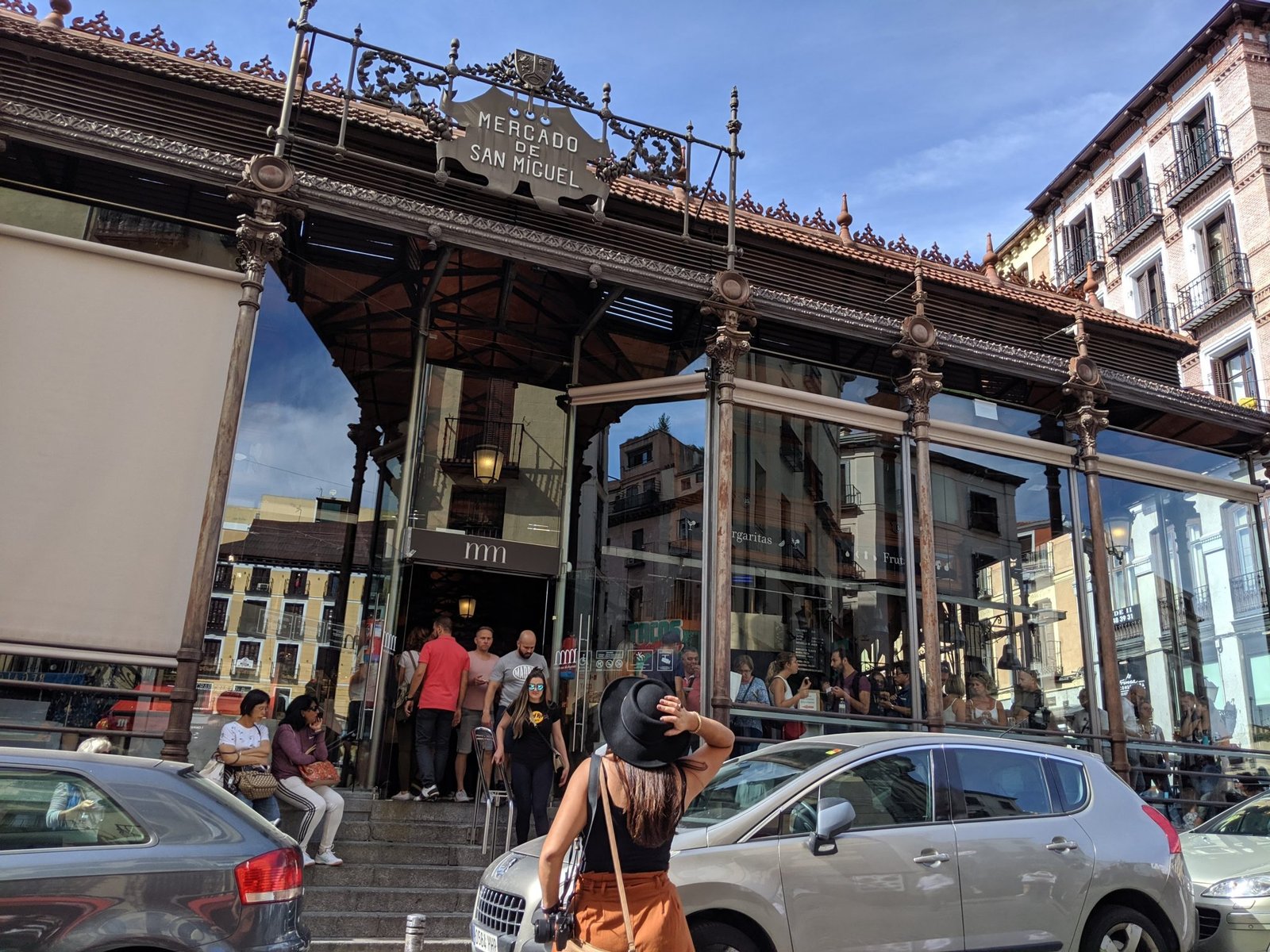
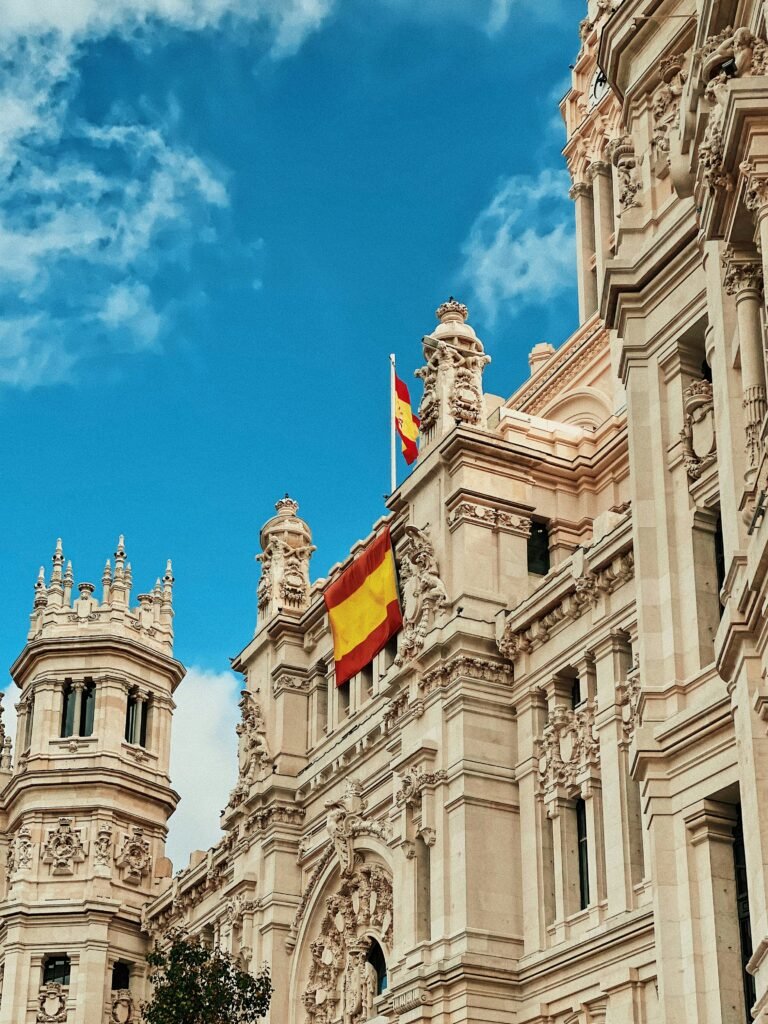
Puerta del Sol is the geographic and symbolic center of Madrid — the point from which all distances in Spain are measured, and the area that most first-time visitors imagine when they picture the city. Staying here puts you within walking distance of the Palacio Real, Plaza Mayor, the Gran Via, and the main shopping streets. For a short trip focused on hitting the major sights, it is the most convenient base.
The trade-off is noise and crowds. The streets around Sol are busy day and night, and the area has a significant tourist infrastructure—souvenir shops, chain restaurants, and rooftop bars that serve more tourists than locals. Madrileños don’t go there to eat or spend their evenings. If you want the city’s authentic character, you will need to walk to find it rather than step out of your hotel door.
Hotels in Sol and Centro cover the full range from budget hostels on side streets to well-known international chains on the Gran Via. The Gran Via itself is loud at all hours—rooms facing the street can be genuinely difficult to sleep in. If you book in this area, request a room facing a courtyard or a quieter side street, or factor in earplugs.
Who Should Stay in Sol / Centro: First-time visitors in Madrid for two or three days who want the major sights walkable and are willing to trade character for convenience. Also good for anyone arriving late or leaving early who wants to be close to transport connections.
Malasaña: The Best All-Around Neighborhood
Malasaña is the neighborhood most visitors wish they had stayed in after spending time in Sol. It sits just north of the Gran Via, close enough to the center that nothing feels far, but with a completely different character. The streets are full of independent cafes, vintage shops, bookstores, and restaurants that are doing something more interesting than tourist menus. The neighborhood has a bohemian history going back to the Movida Madrileña, the cultural explosion that swept the city after Franco’s death in the late 1970s, and that energy is still present.
Plaza del Dos de Mayo is the social center of the neighborhood—a square lined with bar terraces that fills up on warm evenings and weekend afternoons. The streets around it are good for wandering without a plan, which is one of the better things you can do in Madrid. Malasaña connects easily to the Gran Via on foot and to the rest of the city via the Noviciado and Tribunal metro stations.
Accommodation in Malasaña leans toward boutique hotels, guesthouses, and well-designed apartments rather than large international chains. Prices are generally in the mid-range, though the area has become more popular in recent years and rates have followed. It is noisier at weekends than on weekdays, particularly near the plaza, so the same courtyard-room advice applies.
Also check out Unique Things to Do in Madrid.
Who Should Stay in Malasaña: Most visitors, particularly those on a second or longer trip to Madrid who already know the sights and want the city’s character. Young travelers, solo travelers, and anyone who prioritizes good coffee and independent restaurants over proximity to the Palacio Real.
Chueca: Lively, Welcoming, and Well-Located
Chueca sits directly east of Malasaña and shares much of its character—walkable streets, independent businesses, good food—while adding its own identity as Madrid’s LGBTQ+ neighborhood and one of the city’s most inclusive and welcoming areas. The distinction between Chueca and Malasaña is less sharp than it used to be; the two neighborhoods blend into each other, and many visitors end up spending time in both without noticing the boundary.
Chueca has excellent restaurant density, particularly along Calle Hortaleza and the streets around Calle Fuencarral, which runs between the two neighborhoods and is one of Madrid’s best streets for independent shopping and dining. The area is lively at night, particularly on weekends, and the bar scene on and around Calle Hortaleza is one of the most sociable in the city.
Hotels in Chueca are well priced for their central location. The area has good metro access via the Chueca station and is within easy walking distance of the Gran Via. If Malasaña is full or prices are high, Chueca is a natural alternative with very similar practical advantages.
Who Should Stay in Chueca: LGBTQ+ travelers, anyone who wants Malasaña’s energy with slightly more nightlife, and visitors who want to be central without being in the tourist core. Also a good pick for solo travelers who want a sociable neighborhood with a welcoming atmosphere.
Salamanca: Upscale, Quiet, and Residential
Salamanca is Madrid’s upscale residential district, stretching east of the Retiro park. Wide, tree-lined streets laid out in a regular grid, elegant apartment buildings, and a concentration of designer shops, high-end restaurants, and international brands have earned the area the nickname “Barrio de Lujo.” Calle Serrano, Calle Goya, and Calle Velázquez are the main shopping streets, and the area around them is where wealthy Madrileños and expats tend to live.
Staying in Salamanca is a qualitatively different experience from staying in the center. The streets are quieter, the restaurants are more formal, and the atmosphere is more residential than touristic. The trade-off is distance—the major sights are a longer walk or a metro ride away, and the evening energy of neighborhoods like Malasaña requires a deliberate trip rather than a short walk.
Hotels in Salamanca tend toward the luxury end. The area has several of Madrid’s best five-star properties, and even the mid-range options here are generally well-appointed. For travelers who prioritize comfort, space, and quiet—particularly families, older travelers, or business visitors—Salamanca delivers more than the noisier central neighborhoods.
Who Should Stay in Salamanca: Luxury travelers, families who prioritize space and quiet over nightlife proximity, and business visitors. Also suits anyone whose Madrid trip involves serious shopping, as the neighborhood’s retail is among the best in the city.
La Latina: The Heart of Tapas Culture
La Latina is the neighborhood that most captures the image of old Madrid. The streets are narrow and slightly hilly, the buildings older and more irregular than in Salamanca, and the bar culture is deeply embedded in neighborhood life in a way that feels less curated than in some of the trendier areas. Calle Cava Baja is the main tapas street—a long run of bars, tabernas, and restaurants that fills up from early evening and keeps going late. El Rastro, Madrid’s famous Sunday flea market, spills through the streets of La Latina every week, drawing enormous crowds and making Sunday morning one of the best times to be in the neighborhood.
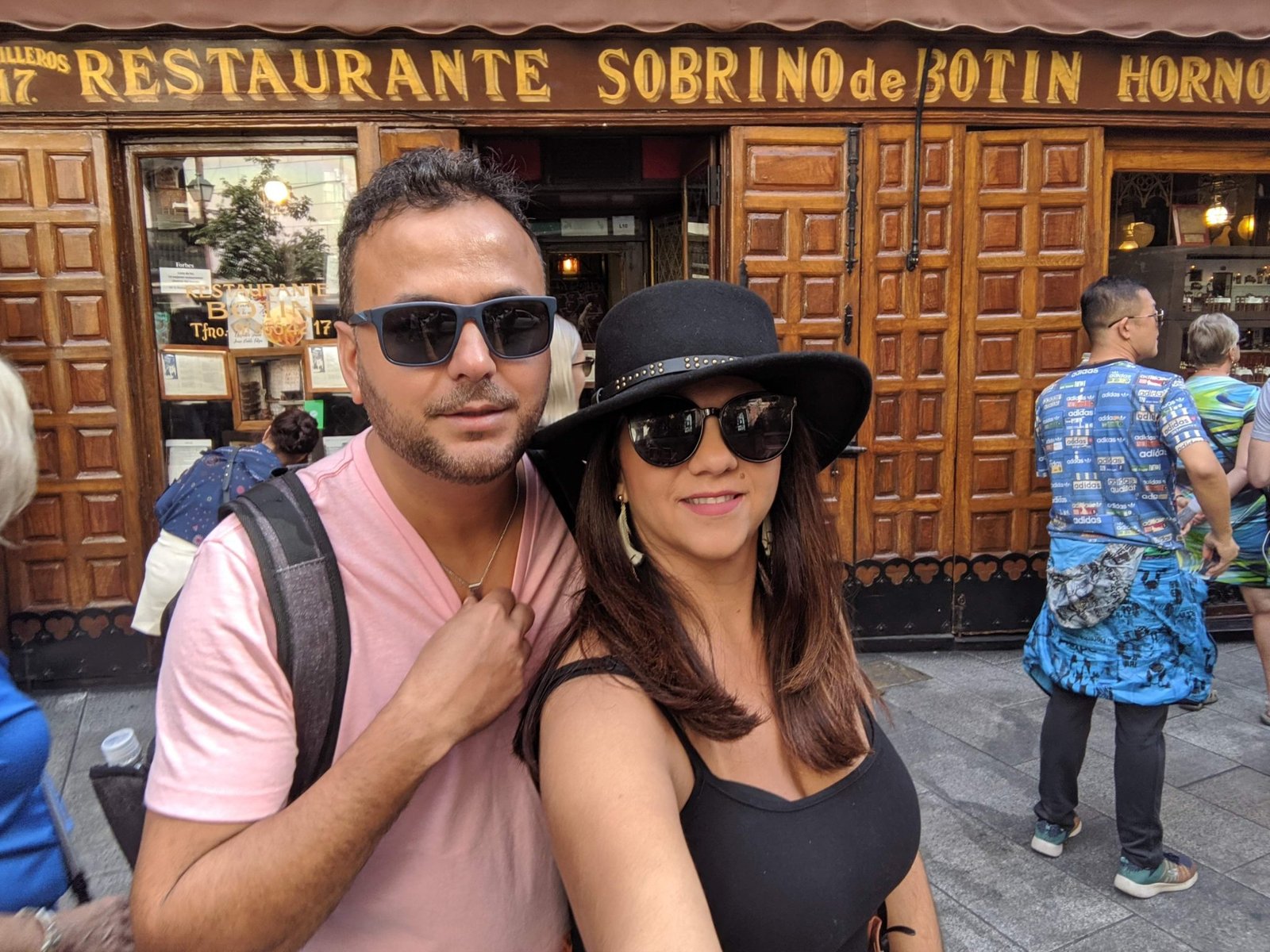
The Mercado de San Miguel, just off Plaza Mayor, sits on the edge of La Latina and is worth a visit for the food stalls even if the market itself has become very tourist-oriented. The streets behind it toward Cava Baja are where the more interesting eating and drinking happens.
Accommodation options in La Latina are more limited than in the central neighborhoods, and the area has fewer large hotels. Apartments and smaller guesthouses are more common, and prices are generally reasonable for the location. The neighborhood is livelier on weekends than during the week, when many of the smaller bars operate on reduced hours.
Who Should Stay in La Latina: Food and wine lovers, anyone visiting specifically for the El Rastro Sunday market, and travelers who want the traditional side of Madrid over the trendy side. Also a good pick for a long weekend that centers on eating and drinking rather than museum-hopping.
Lavapiés: Multicultural, Affordable, and Creative
Lavapiés is Madrid’s most diverse neighborhood, a dense mix of long-established residents, immigrant communities from across Africa, Asia, and Latin America, and a younger creative population drawn by lower rents and a bohemian atmosphere. The food options reflect this mix in a way that is genuinely unusual for a European city center: Indian, Bangladeshi, Ethiopian, Korean, and Moroccan restaurants sit alongside traditional Spanish tabernas and natural wine bars run by local twenty-somethings.
The neighborhood has a strong cultural scene. The Reina Sofía museum sits on its northern edge, and the area has several independent theaters, art spaces, and cultural centers that draw a local audience rather than tourists. Plaza de Lavapiés is the social center, a low-key square with bar terraces that fills up on warm evenings.
Accommodation in Lavapiés skews toward the affordable end. The neighborhood has relatively few traditional hotels; apartments and hostels are more common. It suits budget-conscious travelers and anyone who wants to experience a more genuine version of contemporary urban Madrid rather than the curated tourist version. The area is hilly, and some streets are steeper than they look on a map, which is worth knowing if you are traveling with heavy luggage.
Who Should Stay in Lavapiés: Budget travelers, repeat visitors who have already done the tourist circuit, food explorers, and anyone drawn to a multicultural, creative neighborhood atmosphere. Not the best pick for visitors who want to be close to the main sights.
Retiro and Paseo del Prado: Museums, Parks, and Calm
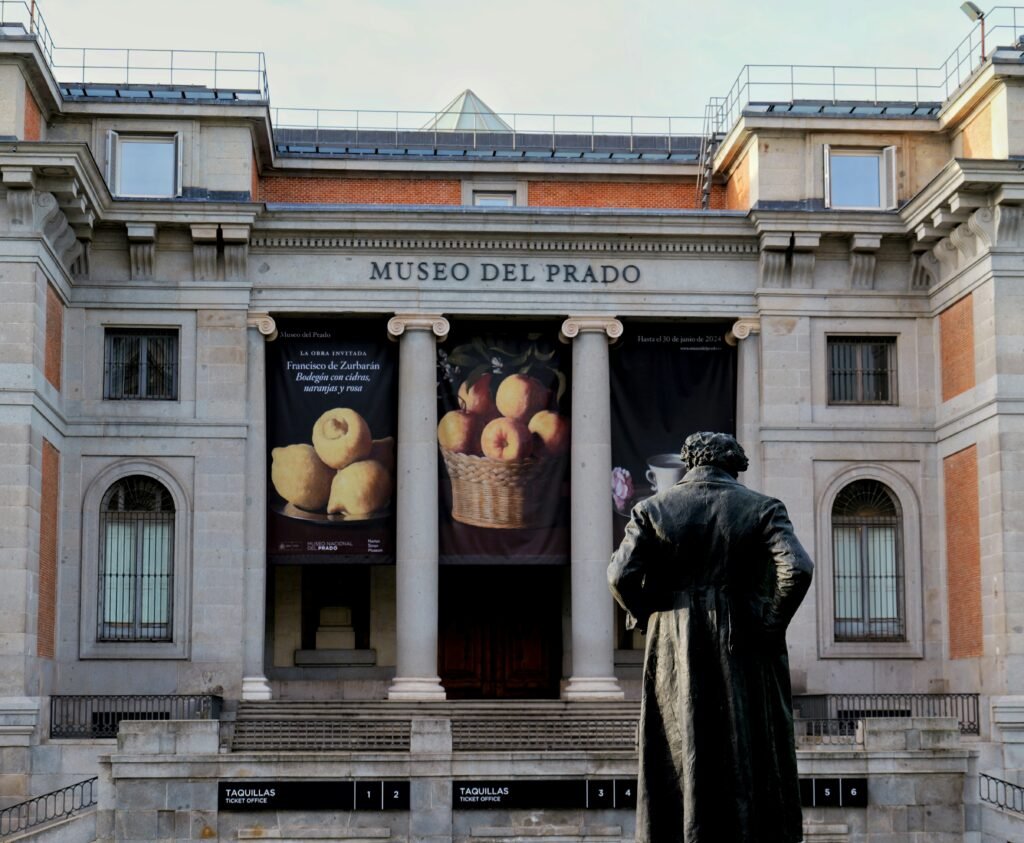
The area around Retiro Park and Paseo del Prado is one of Madrid’s most prestigious addresses, and the hotel inventory matches. The Prado, the Reina Sofía, and the Thyssen-Bornemisza museums are all within easy walking distance, and the park itself is one of the best urban green spaces in Europe—a genuinely pleasant place to spend a morning or evening, with rowing boats on the lake, open-air chess, and wide paths under mature trees.
The neighborhood is quieter and more formal than Malasaña or La Latina. Restaurant and bar options in the immediate vicinity are more limited and tend toward the upscale, though neighborhoods with better everyday dining are nearby by metro or a reasonable walk. For anyone planning to spend significant time in the museums, or for families who want easy park access, it is an excellent base.
Several of Madrid’s landmark hotels are located here, including properties along the Paseo del Prado and in the streets between the park and the museum corridor. Rates are generally on the higher end, reflecting both the location and the area’s hotel quality.
Who Should Stay in Retiro / Prado: Art and museum lovers, families with children who benefit from park access, and travelers who prioritize calm and quality over neighborhood character. Also suitable for anyone planning a Madrid trip that centers on the museum corridor.
Tips for Choosing Where to Stay in Madrid
Use the metro freely. Madrid’s metro runs frequently, covers the whole city, and costs very little per journey. No neighborhood in this guide leaves you more than two stops from the center. Choosing a slightly less central neighborhood does not mean sacrificing access to anything—it just means a three-minute metro ride rather than a ten-minute walk.
Think about noise before you book. Madrid is a genuinely loud city at night, particularly on weekends. The center, Malasaña, Chueca, and La Latina all have significant nighttime activity that can affect sleep. If you are a light sleeper or planning early starts, specifically request a courtyard-facing room when booking, or look at properties that advertise soundproofing.
Consider your trip length. For a two- or three-day first visit, Sol or the Gran Via area makes sense—maximizing walking access to the major sights outweighs the lack of character. For anything longer, the central neighborhoods matter less, and where you eat and drink becomes more important, which tilts the choice toward Malasaña, Chueca, or La Latina.
Apartments versus hotels. Madrid has a strong short-term rental market, and for stays of four or more nights, an apartment in Malasaña or Lavapiés can offer significantly more space and a more local experience than an equivalently priced hotel room in Sol. The cooking facilities also help if you want to cut breakfast costs. I also always check Expedia for bundle deals to compare.
Watch the dates. Madrid hosts major events throughout the year—the San Isidro festival in May, Orgullo (Pride) in July, Fiesta de la Paloma in August—that can dramatically affect both prices and neighborhood noise levels. Chueca during Pride week is electric but not restful. It’s worth a few minutes to check what’s happening in the city during your dates before you book.
Frequently Asked Questions: Where to Stay in Madrid
Sol and Centro are the most convenient for a first visit—the main sights are walkable, and transport connections are excellent. Malasaña is a strong alternative that adds neighborhood character without sacrificing central access, and many experienced travelers prefer it even on a first trip. If you want convenience above all else, stay in Sol. If you want a more authentic city experience, Malasaña or Chueca are better choices.
Where should I stay in Madrid for nightlife?
Malasaña and Chueca are the best bases for nightlife. Both have strong bar and club scenes and are surrounded by streets that stay active until the early hours. Huertas, south of Sol, is also a major nightlife area with a high concentration of bars and live music venues. Staying in any of these areas puts you close to the action, but street noise can be significant—a courtyard room or soundproofed property helps.
Yes. Lavapiés has a reputation—partly outdated and partly exaggerated—for being rough, but in reality it’s a dense, multicultural, lively neighborhood rather than a dangerous one. Petty theft is a consideration in any busy urban area, and you should watch your belongings in crowded spaces, but this applies equally to Sol and La Latina. Lavapiés is safe for tourists, including solo travelers, and its reputation discourages some visitors, which helps keep prices lower and the atmosphere more local than in areas with more foot traffic.
Salamanca and the Retiro area are the best choices for families. Both are quieter than the central neighborhoods, offer more space per accommodation unit (the apartment market in Salamanca is strong), and Retiro Park gives children somewhere to run around. The museum corridor is also manageable with children—the Prado and Reina Sofía are within easy walking distance, and the park offers a natural break between cultural stops. Sol and Gran Vía are also workable for families focused on sightseeing, though the noise and crowds are more tiring with young children.
Salamanca is about a 20- to 30-minute walk from Sol, depending on exactly where you are in the neighborhood. By metro, it is two to three stops—the Serrano and Velázquez stations on line 4 connect it efficiently to the rest of the city. The distance isn’t a practical problem for most visitors; Salamanca is quieter and more residential than it is geographically remote.
If the Prado, Reina Sofía, and Thyssen-Bornemisza are the main focus of your trip, staying in the Paseo del Prado area makes sense—you can arrive before the crowds, use the lunch break to return to your room, and visit in the cooler evening hours without worrying about transport. For a general Madrid trip, the museum corridor is slightly removed from the best everyday eating and drinking, which tips most visitors toward Malasaña or La Latina instead.
Lavapiés consistently has the lowest accommodation prices of the central neighborhoods, followed by parts of La Latina. Both offer genuine value—you pay less without sacrificing a central location. Budget hostels are found throughout the center, but the best-value private rooms and apartments tend to cluster in Lavapiés. Staying even slightly further out—in the Chamberí neighborhood north of Malasaña, for example—also lowers prices while keeping metro access good.
Bottom Line: For most visitors, Malasaña or Chueca are the right answer—central enough for everything, characterful enough to actually enjoy the neighborhood, and well-priced relative to what you get. Sol suits first-timers who want maximum sightseeing convenience. Salamanca suits luxury travelers and families. La Latina suits anyone whose Madrid trip centers on food and market culture. Lavapiés suits budget travelers and anyone who wants an experience outside the tourist circuit. Madrid’s metro makes all of these workable—choose based on the experience you want, not just the map.