Italy’s One Euro Home program is real, but the 1 euro price is just the beginning. Renovation costs range from €50,000 to €100,000 or more; buying does not confer residency, and most buyers need a geometra and a licensed contractor on the ground. This guide covers every cost, every step, and every surprise, written by someone who has actually bought property in Sicily.
One euro homes in Italy. That’s the headline that has made news around the world: Italian towns selling abandoned homes for the price of a coffee, hoping to breathe life back into villages that are slowly emptying out. If you’ve landed here, you’ve probably spent at least a few minutes picturing yourself with a stone farmhouse and a view of the Sicilian countryside. The dream is real. The path to it is more complicated than the headlines suggest.
I’m Feuza Reis, the founder of Fuse Travels. I’ve bought two properties in Salemi, Sicily, one through a private listing, not a formal one-euro program, but at a price that reflects exactly the same market reality these programs are responding to.
I have been through the notary, the geometra, the compromesso, the rogito, and the eight months of paperwork that was still wrong at the end. I accidentally ended up buying two properties at closing due to a cadastral issue. I’ve navigated contractors who raise their prices when they see a foreigner, utility hookups that require a European bank account, and local bureaucracy that runs on patience and occasionally on pastries. That experience runs through everything in this guide. I also visited a 1-euro home in Messina, Sicily, 2 years ago and interviewed the mayor and a local rep for the program.
Buying a home in Italy, regardless of price, DOES NOT give you a visa or residency. I am in Italy via the Digital Nomad Visa program.
What Is the One Euro Home Program in Italy?
Italy’s One Euro Home program 1 is not a national government initiative. It’s a collection of individual programs launched by small municipalities across Italy, typically in depopulating towns in the south and rural interior. Each town sets its own rules, application process, renovation requirements, and deposit structure. There is no single website, no central application portal, and no guarantee that the program you read about three years ago is still running today.
The basic premise is simple: these towns have a stock of crumbling, abandoned properties that have been sitting empty for years—sometimes decades—because there are no buyers. Rather than letting them collapse further and become safety hazards, local governments offer them at a symbolic price of € 1 to buyers who commit to renovating them within a set timeframe. In exchange, the buyer assumes a significant renovation obligation (usually with a 5,000 Euro deposit to guarantee they will complete the necessary renovation) and often posts a refundable deposit as a guarantee.
The initial program gave you only 3 years but with Covid, many towns expanded this to 5 years. Also, these homes are in historic centers, which have strict rules on the types of renovations you can make, especially on the exterior of the home. Additionally, many homes are hard to reach, and you will incur extra costs for transportation and delivery.
The program has been picked up by international media hundreds of times since the town of Gangi, Sicily, launched one of the earliest versions in 2008. Since then, dozens of Italian towns have followed suit, including Mussomeli and Sambuca in Sicily, Ollolai in Sardinia, Cinquefrondi in Calabria, and Laurenzana in Basilicata.
Check out How Much does It Cost to Move to Italy.
Who Is Actually Buying One Euro Homes Right Now?
The One Euro Home conversation has shifted in interesting ways over the last couple of years. For American, British, and Australian buyers who have been reading about these programs since at least 2016, the initial excitement has largely settled. Many in those markets have already bought, decided it wasn’t for them, or moved on to looking at regular low-cost Sicilian property without the renovation obligation attached. This also resurged during Covid as many people around the world reconsidered what they wanted their life to be and paying an expensive mortgage was not at the top of the list.
The English-language buzz has quieted.
At the same time, buyers from Poland, Estonia, and other Central and Eastern European countries are discovering these programs for the first time. These communities are just finding Facebook groups, making initial scouting trips, and asking the questions that American buyers asked six or seven years ago. The process, costs, and surprises in this guide are the same regardless of where you buy.
Welcome to the rabbit hole if you’re arriving for the first time.
One Euro Homes in Sicily: Towns With Active Programs
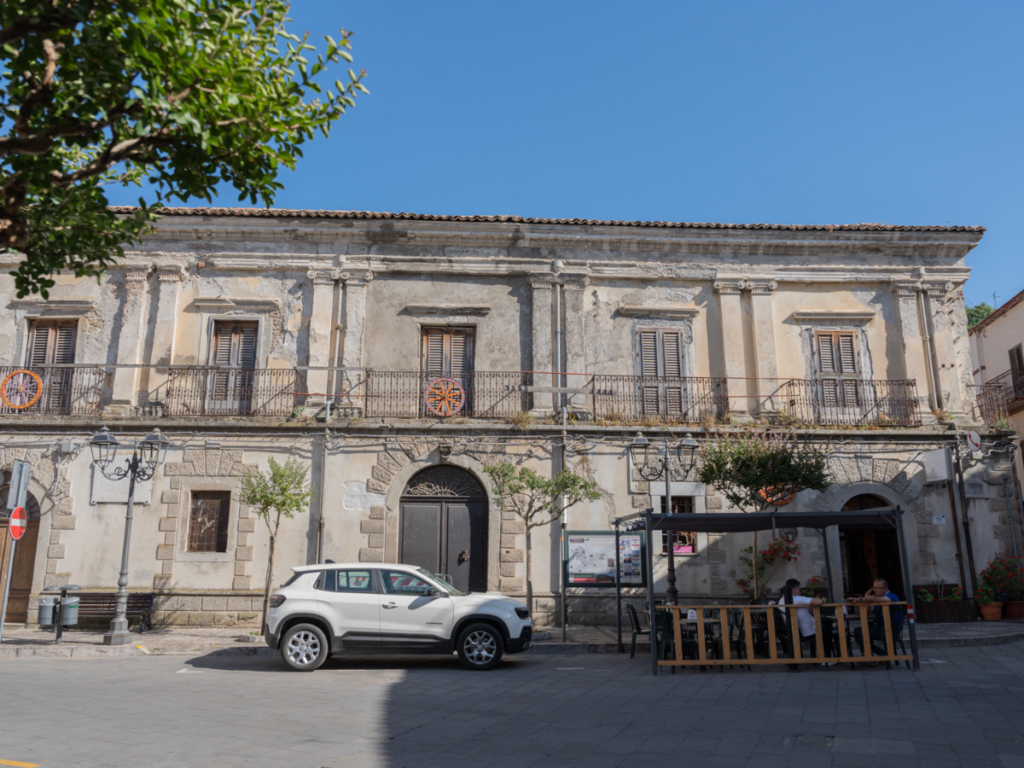
Sicily has some of Italy’s most active and well-known One Euro Home programs. Always confirm directly with the municipality before planning a trip; programs open and close, and media coverage often lags reality by months or years.
Mussomeli (Caltanissetta Province)
Mussomeli is one of the most active and internationally recognized One Euro Home programs in Sicily. The town has sold hundreds of homes to foreign buyers—Americans, Canadians, Britons, Dutch, and Australians—and has developed a genuine expat community. The local government has been particularly proactive about supporting foreign buyers through the process. If you want a program that is reliably active and has a support network of previous buyers, Mussomeli is most frequently recommended.
Sambuca di Sicilia (Agrigento Province)
Sambuca made international news when its auction-style One Euro program drew over 100,000 applications for just a handful of properties. The town sits in the hills above Lake Arancio, with views toward the coast, and has a genuinely beautiful Arab-Norman historic center. Sambuca’s program has operated in waves rather than continuously. Check the town’s official website or contact the municipality directly to see whether applications are currently open.
I visited Sarah, one of the lucky Brits who managed to buy their 1 Euro house over 5 years ago. She has incredible views and definitely follow her on Instagram. Sambuca is a lovely town with a thriving community, and you can find homes now starting at 50,000 euros.
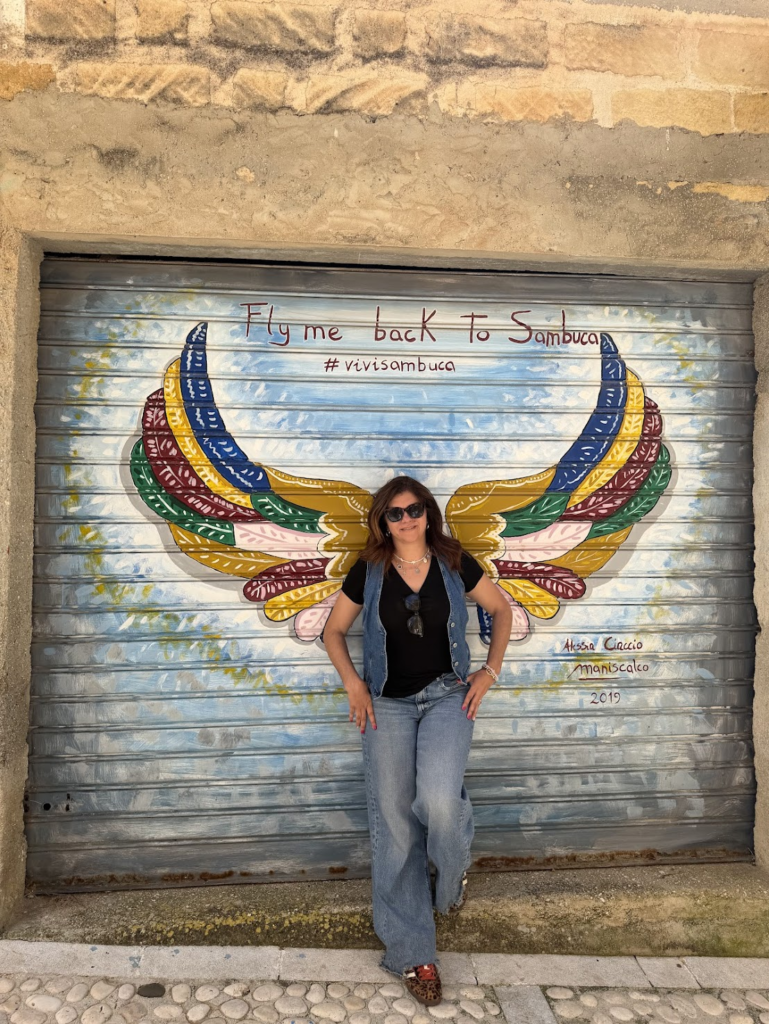
Gangi (Palermo Province)
Gangi was one of the first Italian towns to launch a One Euro program in 2008. It’s part of Italy’s Borghi più belli d’Italia list and sits in the Madonie Mountains in northern Sicily. Properties are no longer all €1. Some are now listed at higher prices as the town’s profile has risen, but abandoned properties are still available at very low prices. It’s about 90 minutes from Palermo Airport.
Salemi (Trapani Province)
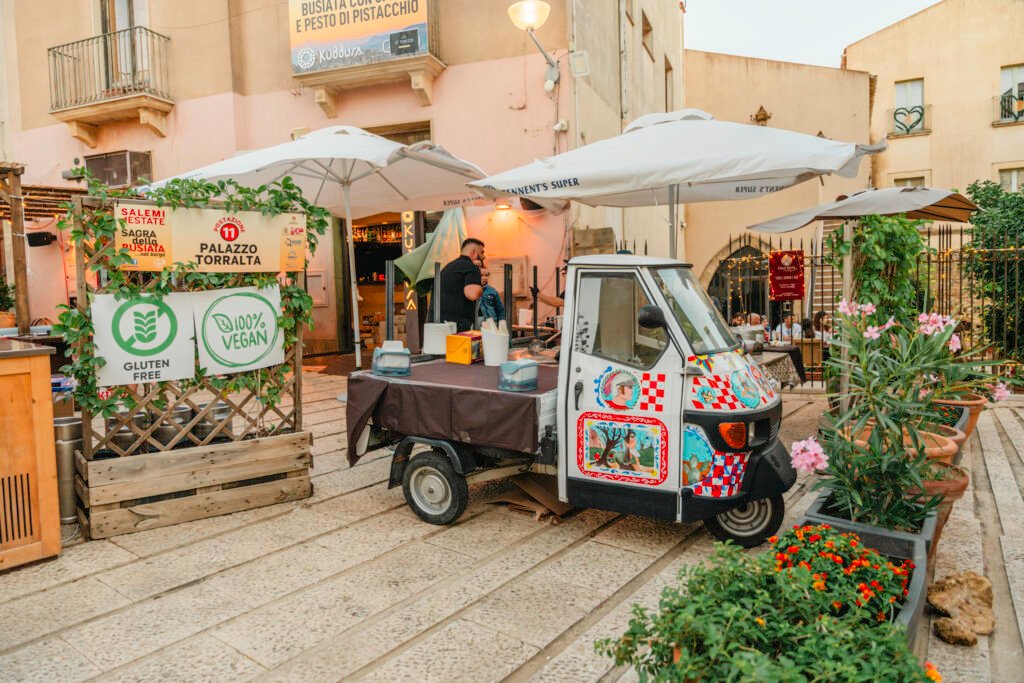
Salemi has had One Euro Home initiatives over the years and has a significant stock of abandoned and low-cost properties in its historic center. It’s the town where I bought my properties. Salemi’s appeal is its location: less than an hour from Palermo airport, forty minutes from the coast, and in the heart of western Sicily’s most beautiful countryside. A Borgo Piubello d’Italia, with an international ceramics school that brings creatives to town year-round.
I have a full article on what the buying process actually looked like in Salemi: costs, surprises, and why I accidentally ended up buying two properties at the notary. Read the full Salemi story here.
The One Euro Dream ( Australian TV Show)
Four friends from Australia have just purchased a one-euro home in Salemi, Sicily, and they have 3 months to finish before their visa expires. Riley, Ricky, Jack, and Miles are getting their hands dirty and staying busy working hard on their One Euro Home project. With super-high prices in Australia, they decided to bet on Salemi for their project. Follow them on Instagram for behind-the-scenes, funny moments as they explore renovating and the beautiful island of Sicily.
For more info about exploring Salemi, check out Stay Live Salemi.
San Piero Patti
I visited San Piero Patti 2 years ago to interview the mayor. I was hosted by Consuelo, a local rep of the town and it has so many great things going for it. I visited 3 homes. One needed 12k of work, one needed 50k, and one needed 100k of work. For their program, you have 5 years to complete the renovation. Check out my full video here. Also check out the article I wrote for Live in Italy Magazine.
Other Sicily Towns to Watch
Several other Sicilian towns have run One Euro programs or have significant stocks of low-cost abandoned properties worth investigating: Troina (Enna province), Bivona (Agrigento province), Cammarata, Santa Caterina Villarmosa, and Leonforte. In some of these towns, properties are listed slightly above €1 but still well under €10,000. The same structural dynamic applies even if the headline number isn’t €1 anymore.
| Town | Province | Airport Distance | Beach Access | Expat Community | Best For |
|---|---|---|---|---|---|
| Mussomeli | Caltanissetta | ~90 min Palermo | 45 min drive | Strong (US, CA, UK) | First-time buyers, support network |
| Sambuca di Sicilia | Agrigento | ~90 min Palermo | 40 min drive | Growing | Beauty seekers, hilltop lovers |
| Gangi | Palermo | ~90 min Palermo | 60+ min drive | Moderate | Mountain setting, borgo lovers |
| Salemi | Trapani | ~50 min Palermo | 40 min drive | Small but growing | West Sicily: creative community |
| Troina | Enna | ~90 min Catania | 60+ min drive | Small | Interior Sicily, lower prices |
One Euro Home: Towns Beyond Sicily
- Borgomezzavalle, Piedmont: the northernmost program, in the Alps, plus a €1,000 cash bonus for full-time residency. Very different climate and culture from the south.
- Cinquefrondi, Calabria, launched in 2019, attracted significant US attention. Low cost of living throughout the region.
- Ollolai, Sardinia: a mountain village in Sardinia’s Barbagia region. Sardinia has its own dialect, culture, and vibe, very distinct from Sicily.
- Laurenzana, Basilicata: one of Italy’s least-visited regions with incredibly low property prices and a recently launched program.
- Fabbriche di Vergemoli, Tuscany—one of the few programs in northern Italy. Tuscany’s location makes it unusual and appealing even with higher renovation obligations.
- Latronico, Basilicata: a spa town with natural thermal waters offering properties at €1 with renovation obligations.
Is a One-Euro Home Actually the Cheapest Way to Buy Property in Italy?
This is the question nobody asks loudly enough. The short answer: not always. In fact, for many buyers, a one-euro home is not the most economical path to owning property in Italy.
Here’s why. A one-euro home comes with a legally binding renovation obligation of typically € 15,000 to €30,000, often much more in practice. Add notary fees, deposit, geometra, and the actual cost of making a crumbling stone building livable, and most buyers end up spending €50,000 to â¬100,000 total. For that same budget, you could purchase a property in the same towns that is already partially renovated, has working utilities, and can be lived in during the renovation process.
| Feature | 1 Euro Home | $20k House | Move-in Ready Home |
|---|---|---|---|
| Purchase price | 1 Euro + 5,000 deposit | 15k-40k | 80k+ |
| Renovation needed | Major (full gut) | Moderate | Little or none |
| Can you move in? | No | Sometimes | Yes |
| Renovation obligation | Yes (legally binding) | No | No |
| Total realistic cost | $50k-$120k+ | â¬35kâ80k | â¬80kâ150k |
| Stress level | High | Medium | Low |
| Best for | Adventure & restoration | Balanced buyers | Lifestyle buyers |
Feuza’s Take: “If I could go back and choose between a €1 home with full renovation obligations and a €22,000 house I could actually sleep in during the process, I would seriously weigh the second option. I love my Salemi property deeply. But the car rental, the hotel nights, the months of not being able to stay in my own house while contractors work—those are real costs the €1 headline doesn’t prepare you for.”
How Much Does a One Euro Home Really Cost?
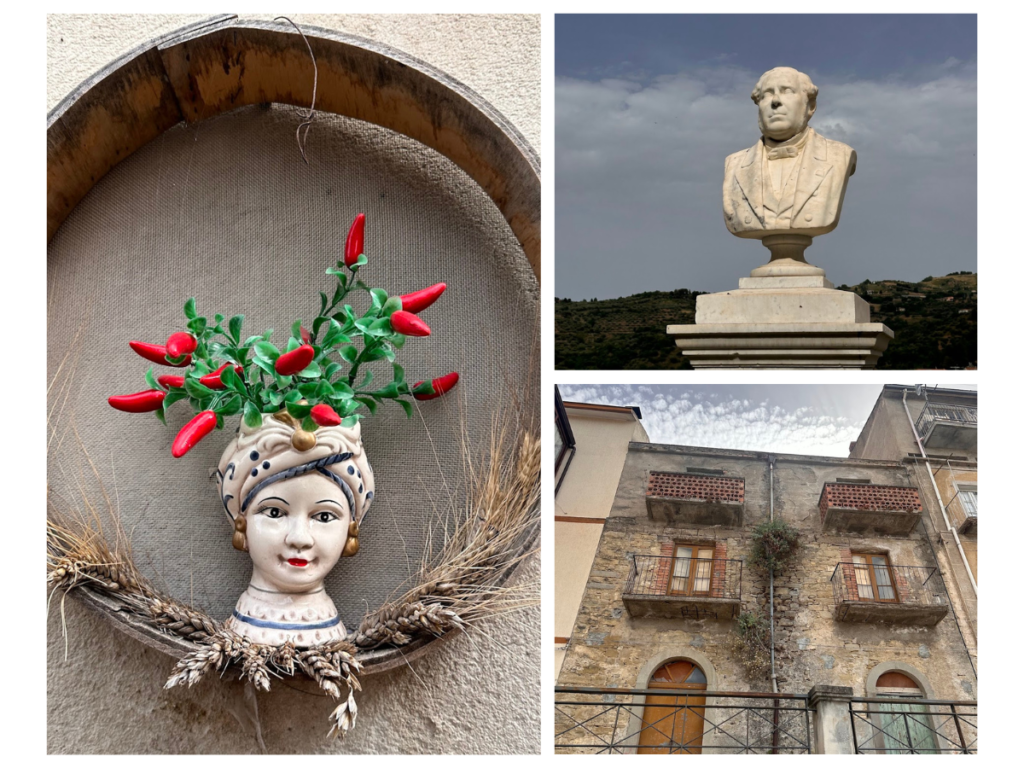
This is the part the headlines always skip. The property costs â¬1. Nothing else does.
| Cost | Typical Range | Notes |
|---|---|---|
| Purchase price | â1 | The headline number |
| Notary fee + transfer taxes | $2,000-$5,000 | Covers registration, cadastral taxes, and notary fees. Can be higher for complicated cadastral situations. |
| Geometra inspection | 300 – 800 | Non-negotiable: hire one before you commit |
| Renovation obligation (minimum) | €15,000 – €30,000 | Set by the municipality; legally binding floor, not ceiling |
| Actual renovation costs | €30,000-€150,000+ | Highly variable; size, condition, scope, and contractor availability all affect this |
| Permits + engineer/geometra filings | €5,000–€15,000 | The lowest I’ve seen for engineer/geometra permit filings is â¬5,000 â budget more |
| Refundable deposit | €2,000-€5,000 | Held by municipality; returned on renovation completion |
| Project management | Variable | Strongly recommended if you’re not on-site full time |
| Car rental during renovation | €500-€3,000+ | Easily overlooked, you will need transport and may not be able to stay in the property |
| Unexpected costs | Budget 20-30% buffer | Always. No exceptions. |
A realistic all-in number for a livable renovation in most one-euro home towns in Sicily is €50,000 to €100,000, and that assumes a smaller property and a competent local team managing costs. Anyone telling you they transformed a One Euro Home for €15,000 either did very limited work, had exceptional luck, or is leaving something out.
Feuza’s Take: “My biggest unexpected expense was the car rental I had to keep for months while the renovation was happening and I couldn’t stay in the house. I didn’t budget for it at all. I also didn’t know about excess insurance on rental cars in Sicily—that’s a whole separate education. Don’t underestimate your daily logistics costs.”
What Renovation Requirements Do One Euro Homes Have?
The renovation obligation is not a suggestion; it is a legal requirement you sign when you accept the property. General structure:
- Minimum spend: You must spend at least the stated minimum (typically € 15,000-30,000) on the renovation, with receipts and documentation submitted to the municipality upon completion.
- Timeframe: Usually two to three years from the date of purchase. Some towns extended deadlines during COVID, but the obligation itself doesn’t disappear.
- Licensed contractors: Work must be done by licensed Italian contractors in most programs, not DIY. A licensed geometra or architect must oversee and certify completion.
- Permits: Any structural or significant cosmetic work requires building permits from the municipality. This is true of all Italian renovations, not just One Euro programs.
- Scope: Some programs require the property to be brought to a habitable standard. Others require exterior facade restoration as a condition; the visual improvement of the town’s streets is part of the point.
If you do not complete the renovation within the required timeframe, you lose the deposit. In some programs, the municipality can also reclaim the property. This is not hypothetical; there are properties in One Euro towns that have been returned after buyers failed to follow through.
Why Do One Euro Home Programs Require a Deposit?
Most One Euro programs require a refundable deposit at the time of purchase â typically â¬2,000 to â¬5,000 â as a guarantee that you’ll actually renovate. This deposit is held by the municipality and returned to you when you complete the renovation and provide documentation proving you’ve met the required minimum spend. Think of it as the municipality’s insurance policy. They’ve handed you a building for almost nothing; the deposit is how they know you’re serious. Renovate and document it, you get the money back. Don’t, and you don’t.
What Does an ‘Abandoned’ House Really Look Like?
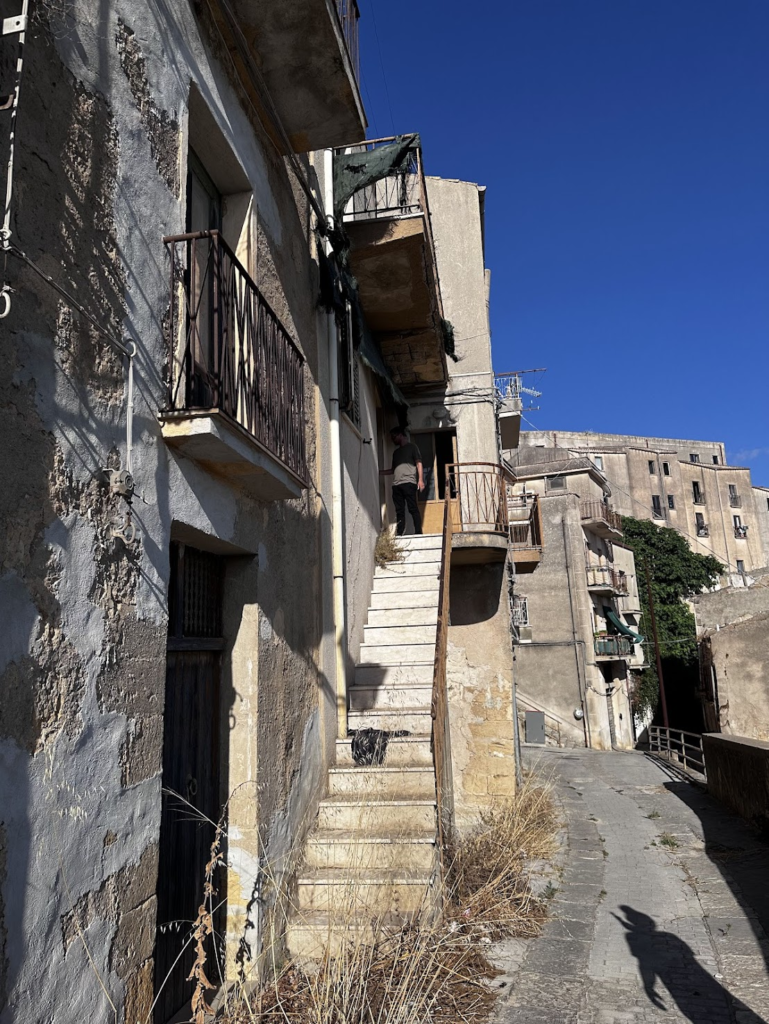
One Euro Home listings frequently describe properties as “abandoned for 10 years” or longer. It’s worth understanding what that looks like in practice â because it affects everything from structural integrity to the legal situation at the land registry.
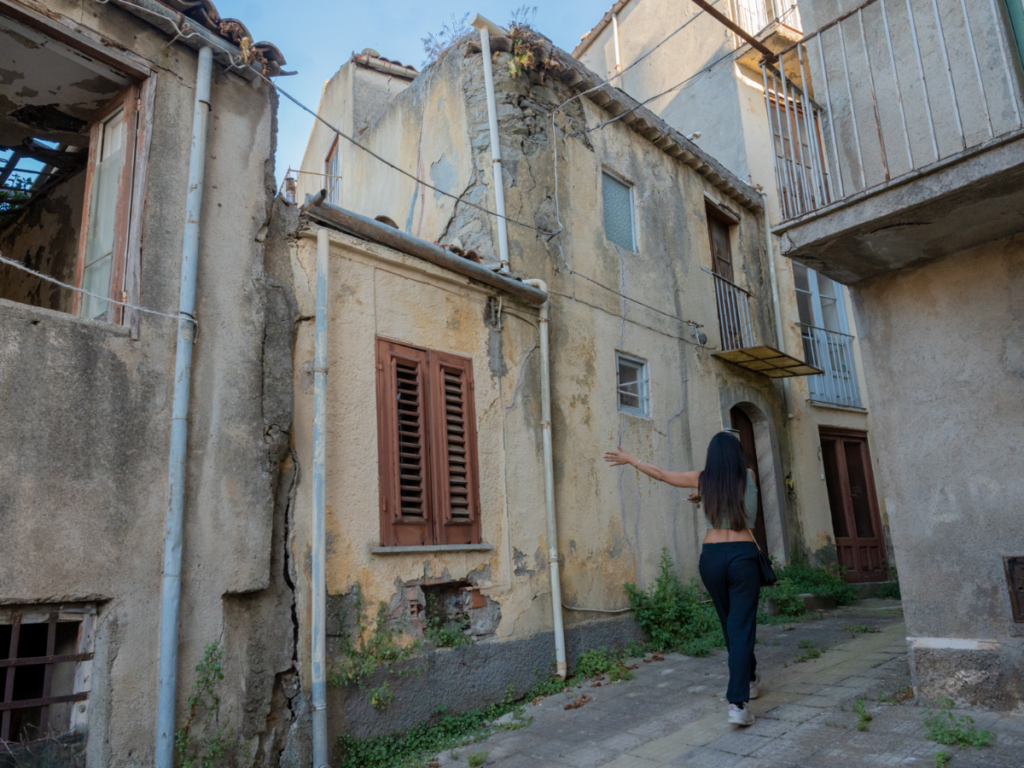
In a small Sicilian hill town, a property abandoned for a decade typically means: no utilities connected (or disconnected years ago), likely no functioning plumbing, roof potentially compromised, significant damp in the walls, possible structural cracking, and an interior stripped of anything useful or in a state of advanced decay. The stone and brick construction that characterizes most of these historic-center properties is actually more durable than modern construction in some ways â the bones of a 200-year-old Sicilian home can be excellent even after years of neglect â but the surface condition is often alarming on first viewing.
There’s also the ownership history question. Some abandoned properties have complicated inheritance situations â multiple heirs who never formally transferred ownership, or unclear cadastral records. The notary will check this before closing, but it’s another reason to hire a geometra early: they can flag cadastral irregularities before you fall in love with something that has a legal tangle attached to it.
Feuza’s Take: “I almost skipped hiring a geometra to save money. Looking back, that would have been one of the most expensive mistakes I could have made. A full geometra inspection in writing before you close is not optional; it’s the only way to know what you’re actually buying.”
Here is Part 1 of the tour
@fusetravels Unit one tour. Multi unit property purchase for less than kitchen remodel. #salemisicily #houseinitaly #italianrealestate #homerenovations ♬ Little Songbird – James Quinn
Who Should (and Shouldn’t) Buy a One Euro Home?
A One Euro Home is a great fit if you:
- Love the specific town independently of the price
- Have a realistic renovation budget of â¬50,000 or more
- Can handle a multi-year project with significant uncertainty
- Have or can hire reliable people on the ground in Sicily
- Are drawn to the idea of restoration and contributing to a community
- Have time to visit during the renovation (or can stay for extended periods)
- See it as an adventure, not just an investment
A One Euro Home is probably not the right fit if you:
- Are primarily motivated by the price and haven’t spent meaningful time in the town
- Need to be able to stay in the property soon after purchase
- Have a tight budget with little buffer for surprises
- Cannot visit Italy during the renovation process
- Want a simple, low-stress property ownership experience
- Are not prepared for Italian bureaucracy, language barriers, and contractor delays
Feuza’s Take: “My honest opinion after buying in Sicily: the people who thrive in this process are the ones who fell in love with the town first and would have found a way to buy there regardless of the price. If your main reason for choosing Mussomeli over anywhere else in Sicily is that the houses are €1, that might be worth examining. The £1 is a great incentive. It’s a terrible primary motivation.”
How to Apply for a One Euro Home in Italy
Step 1: Find a Town With an Active Program
Use Italian property news sites, expat forums, and Facebook groups to identify towns currently accepting applications. Confirm directly with the municipality 1 programs frequently open and close, and media coverage often lags reality.
Step 2: Get Your Codice Fiscale
You cannot make any formal offer or sign any contract in Italy without a codice fiscale, Italy’s tax identification number. As a non-resident, you can get one through a licensed service like viamonde.eu via power of attorney (around €100, one to two weeks), at an Italian Consulate in your home country, or at an Agenzia delle Entrate office when you visit. Get this sorted well before you need it.
Step 3: Contact the Municipality
Most One Euro programs have a designated contact at the municipal office (comune). Email in Italian if you can and ask specifically: is the program currently accepting applications, how many properties are available, and what is the current process for viewing and applying?
Step 4: Do a Scouting Trip
You should not buy a property in a Sicilian hill town without visiting first. Stay at least three full days, ideally more, in any town you are seriously considering. Walk the streets. Sit in the piazza. See what life actually looks like at 8am and at 9pm. You can do more than one scouting trip; take your time to find the right place. Visit any properties you’re interested in with a local geometra before you commit.
Step 5: Submit Your Application
Application processes vary. Some towns require a formal written application after which they match buyers to available properties. Others run open auctions or first-come, first-served systems. Some require a business plan or renovation proposal. Ask the municipality exactly what their current process is before making assumptions.
Step 6: The Legal Process: Proposta, Compromesso, Rogito
Once you’ve agreed to proceed, the buying process follows standard Italian property law: a proposta d’acquisto (written offer with a small deposit), a compromesso (binding preliminary contract with a larger deposit, typically 10-25%), and finally the rogito (closing deed signed before the notaio). At the rogito, you pay the balance, sign the official transfer documents, and receive the keys.
Bring a translator to the rogito if your Italian is limited. The notary reads the full act aloud—all of it. You need to understand what you’re signing.
Feuza’s Take: “The notary appointment felt like signing paperwork for a small country. It is genuinely one of the most formal experiences I’ve had—almost like a court hearing. Everyone is seated, the notary reads every single clause aloud, and you confirm understanding. It’s solemn and thorough, and I actually appreciated that about it. Just don’t go in expecting to sign two pieces of paper and be done in ten minutes.”
Can You Buy a Cheap House in Italy Without the One Euro Program?
Absolutely, and this is often overlooked. You don’t have to go through a formal One Euro program to find extremely low-cost property in Sicily. The same market conditions that created these programs apply across the entire interior of the island: rural depopulation, aging owners with no heirs who want the property, towns where there is simply no buyer demand at any price.
I found my Salemi property through Amanda in Italy on TikTok. She lists properties in Sicilian towns and gives each one a nickname. Mine was called “the cat house.” I watched the video once, messaged immediately, and within two weeks I had rerouted a vacation to go and see it. The property wasn’t listed on Idealista or Immobiliare.it. It came through social media.
Low-cost abandoned properties in Sicily also appear on Idealista.it (filter under €20,000 for remarkable results in interior Sicily), Immobiliare.it, local Facebook groups, and through Italian real estate agents who specialize in historic-center or rural properties in your area of interest.
Can You Turn a One Euro Home into an Airbnb?
Yes, but Italy’s short-term rental regulations have changed quickly, and what applied two years ago may not apply today. You’ll need an agibilità certificate (habitability certificate from the municipality), a CIN (national rental registration code), and, depending on your rental volume and region, an SCIA filing with your comune. A recent window-size law also reclassified two rooms in my Salemi property from bedrooms to non-bedrooms, which affects the number of guests I can officially list.
I am still working through the full CIN and municipal registration process and will have a dedicated guide on this once it’s done. The regulations are too fluid right now to do them justice in a section of a hub article. The short answer: Yes, you can Airbnb a one-euro home. Budget time for the paperwork, and get a local professional who knows the current rules in your specific town.
Typical Timeline From Start to Finish
Realistically, plan on two to four years from the start of research to move-in if you are managing this from abroad. Here’s what that looks like in rough order:
- Research and town selection: 1 to 6 months. Don’t rush it. Visit more than one town before deciding.
- Scouting trip(s): Plan at least 3 full days per town you’re seriously considering. Budget for multiple trips.
- Geometra inspection and property selection: 2 to 8 weeks once you’ve identified a property.
- Proposta through compromise: a few weeks. Small deposit first, larger binding deposit at the compromesso.
- Rogito (closing) anywhere from 2 to 8 months after the compromesso. Notary schedules, cadastral checks, and paperwork take time. My paperwork took 8 months and still had errors at closing.
- Design and permits: 3-12 months. Permit filings with the comune are frequently the longest waiting stage. In Sicily it is extra slow.
- Construction: 6 to 24 months depending on scope and contractor availability.
- Final inspection and agibility: 1 to 3 months for municipal sign-off.
The timeline differs a whole lot depending on where in Italy you are buying, so this is just a general guide!
My Biggest Surprises Buying Property in Sicily
The notary experience
I knew there would be a notary. I did not know it would feel like a court proceeding. In Italy, the notaio (notary) is a public official, not a lawyer in the American sense, and the closing is a formal reading of the entire deed, out loud, in front of all parties. It is meticulous and thorough. My notary was terrific once I finally heard back from her (getting a response took longer than I expected), and on closing day, the seriousness of it was actually reassuring. You know exactly what you’re signing.
I accidentally bought two houses
This is a story I could not have invented. My paperwork for the property took almost eight months and was still wrong at closing. The issue was a cadastral fusion: the property I was buying had been two separate units that were supposed to be merged into one. But the geometra hadn’t noticed that one unit had the owner’s wife’s name on the cadastral record, so the fusion hadn’t been completed. I closed on both units separately. Suddenly I owned two properties. I then had to pay an additional €500 to complete the fusion after closing. I did not plan to buy two houses that day. Sicily had other ideas.
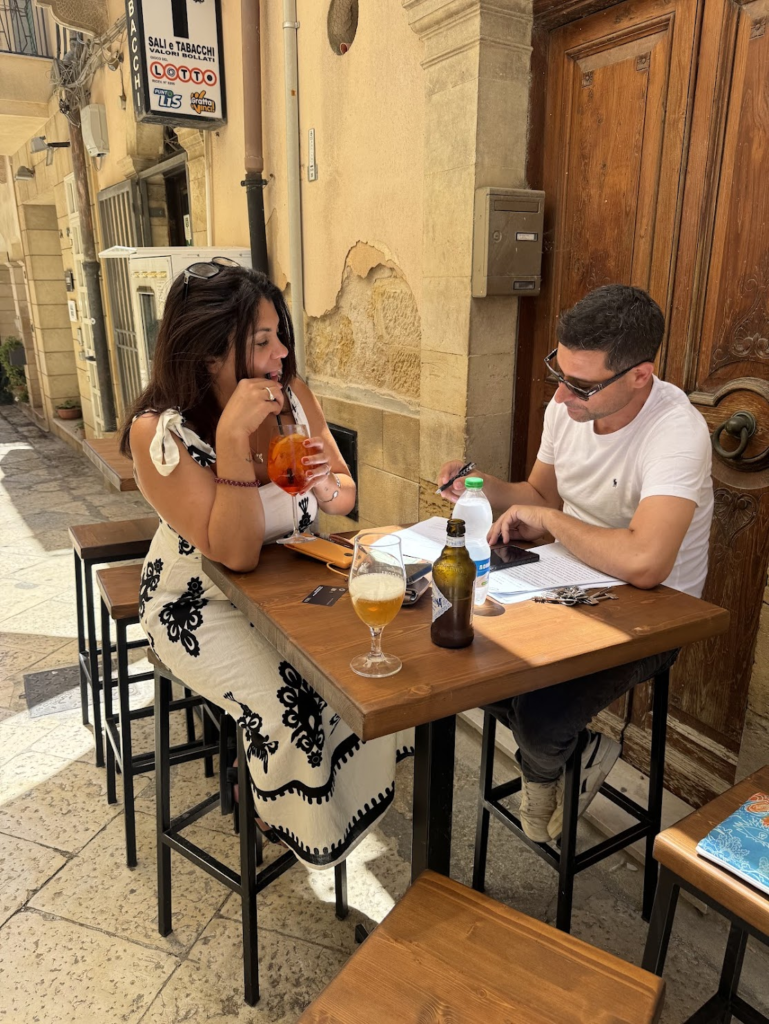
Feuza’s Take: “Buying two houses in one day definitely wasn’t on my vision board. But that’s what happened when the cadastral fusion hadn’t been properly completed before closing. Always, always have a geometra review the cadastral records in writing before you sign anything.”
Finding contractors is harder than finding a house
In Salemi and many other Sicilian towns, contractors are fully booked and have been for years. The demand from One Euro Home buyers and property restoration projects across interior Sicily has created a genuine supply-and-demand problem. Some contractors will quote one price for a local and a significantly higher price for a foreign buyer who they assume has deeper pockets. Getting three quotes and asking around the expat community for recommendations is essential. This takes time and patience.
Utility connections require a local bank account (sort of)
Utility providers in Italy typically require an Italian IBAN to set up a direct debit for your bills. As a non-resident foreigner, opening a traditional Italian bank account can be complicated. What worked for me was using my Wise account, which provides a European IBAN; utility companies accepted it without issue. Worth knowing before you assume you need to open a local account first.
The cultural and language gap is real
This was the biggest surprise of the entire experience, more than any paperwork issue or cost overrun. The way communication works in a small Sicilian town—the timing, the indirectness, the relationship-first approach, the way things are said versus what they mean—is genuinely different from what most Americans or Brazilians are used to. Hiring a local project manager who understands the culture and can translate not just the language but the context has been one of the best decisions I made.
Bureaucracy requires patience and sometimes pastries.
The comune (town hall) in a small Sicilian town operates on its own timeline. Showing up in person, building relationships with the staff, and, yes, occasionally bringing coffee and sweets has genuinely moved things along. This is not a bribe. It’s how relationships work in a small community where everyone knows everyone. Treat it like that.
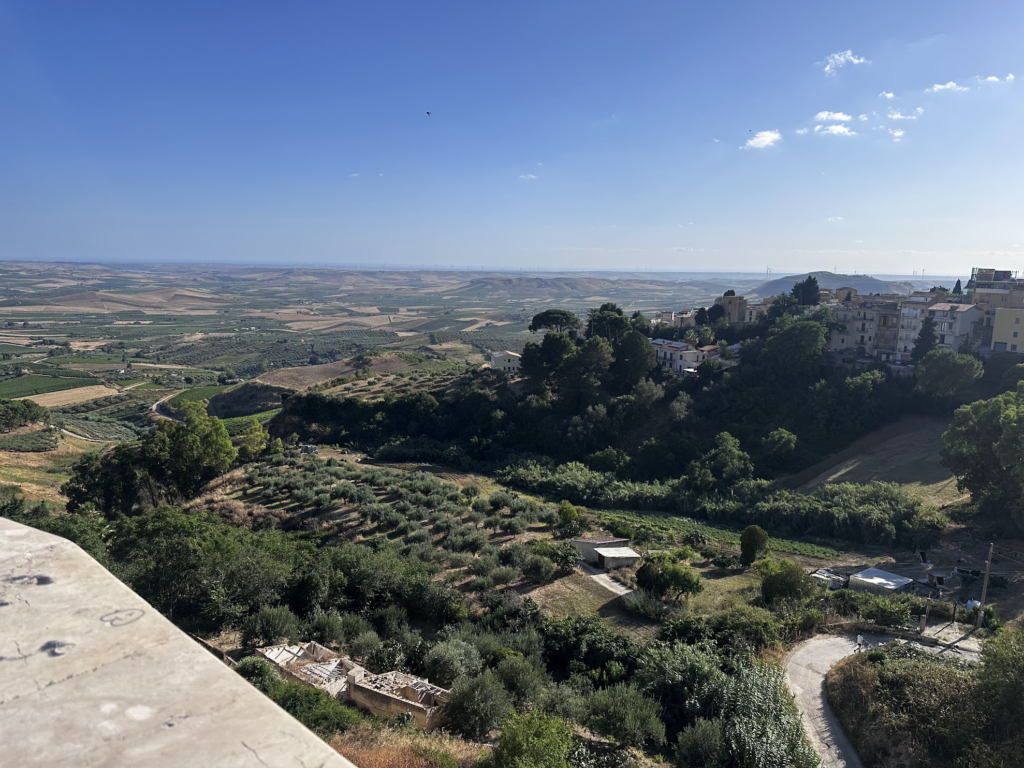
My Biggest Mistakes In Buying a House in Sicily
I underestimated the cultural gap
Nothing in my preparation fully prepared me for how much the cultural difference would affect day-to-day communication. Not the language. I could work around that with translation tools. The deeper cultural rhythms: how long things take, how information is shared (or not shared), how to understand when “yes” means yes and when it means “eventually, maybe.” This is the hardest thing to prepare for because you don’t fully see it until you’re in it.
I didn’t budget for car rental
While the renovation was underway and I couldn’t stay in the house, I needed a car whenever I visited Sicily. I hadn’t factored this into my budget at all, and over multiple trips and months, it added up significantly. I also didn’t know about excess insurance on rental cars in Sicily, which is a real thing you should understand before you rent. (See the full guide to renting a car in Sicily here.)
I did not get a full geometra inspection in writing before closing
I would never do this again. A full geometra inspection, in writing, before signing anything is non-negotiable. It is the only way to know the cadastral situation, the structural condition, the permit history, and any legal complications attached to the property before you are bound to it. Mine would have caught the foundation issue before closing rather than after.
I didn’t ask about permit costs upfront
The permits and the engineer or geometra fees to file them were significantly higher than I anticipated. The lowest I’ve seen for a geometra to file renovation permits in Sicily is €5,000, and it can go much higher depending on the scope of work. Ask this question before you agree to any renovation scope. “How much will the permits cost, and what are the geometra fees to file them?” should be one of your first questions.
Biggest Myths About One Euro Homes
| The myth | The reality |
|---|---|
| You’ll only spend €1. | You’ll spend €50,000 to €100,000+ once all costs are included |
| Buying gives you residency | Property ownership and residency are completely separate processes |
| Renovations are straightforward. | Permits, contractors, cadastral issues, and supply-demand problems make it complex |
| Every house is by the beach | Almost all one-euro programs are in inland hill towns, often 40â60 minutes from the coast |
| They’re guaranteed investments | Property values in depopulating towns are uncertain; don’t buy for ROI |
| You can DIY the renovation | Most programs require licensed Italian contractors and certified oversight |
| The buying process is quick | From research to keys: expect 6-18 months. From keys to move-in: 1-3 years more. |
Tax Incentives for Renovating in Sicily
Italy has historically offered significant tax incentives for property renovation. The headline Superbonus 110% has been substantially curtailed since 2024, but other structures remain:
- Ecobonus and Sismabonus: Tax credits for energy efficiency upgrades and seismic reinforcement. Available at reduced rates relative to the peak Superbonus era, yet still meaningful for large projects.
- Bonus Ristrutturazione: A 50% tax deduction on renovation costs up to â¬96,000, spread over ten years. Available to Italian tax residents—relevant if you plan to establish residency.
- Municipal incentives: Some One Euro towns offer additional local incentives â reduced local taxes, waived building permit fees, or cash grants for specific restoration work. Ask the municipality directly about current local incentives.
Tax rules change frequently in Italy. For current details and how they apply to your situation as a non-resident buyer, consult an Italian commercialista (accountant) before making renovation decisions based on incentives.
Is Buying Property in Italy Possible If You’re Not Italian?
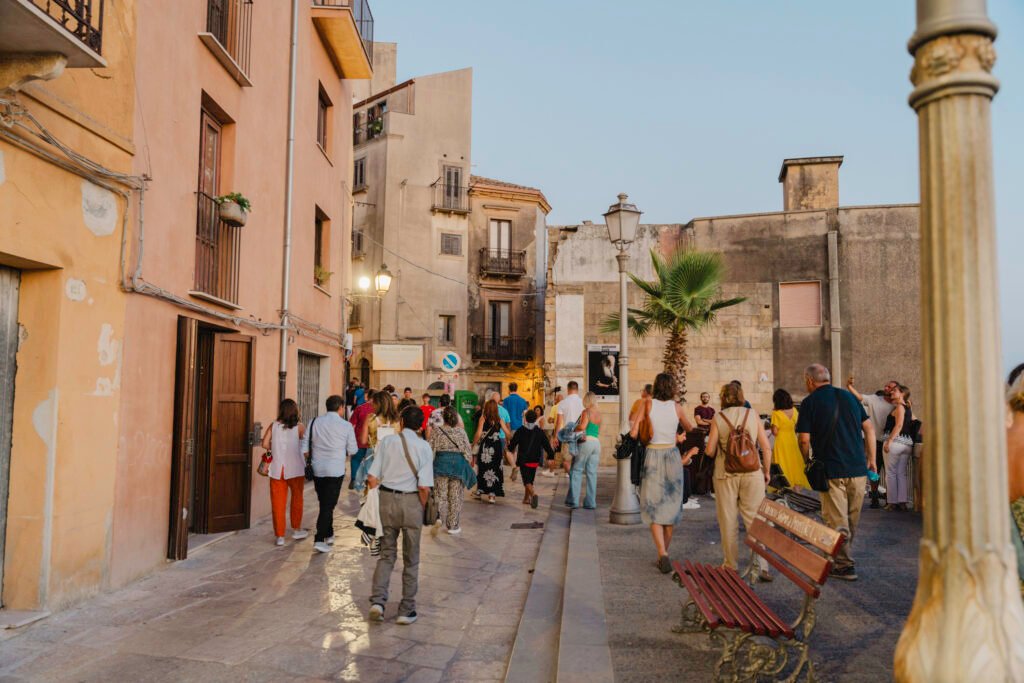
Yas. Citizens of most countries, including the United States, the United Kingdom, Australia, Canada, and Brazil, can purchase property in Italy as non-residents. No citizenship or Italian residency is required.
What property ownership does not give you is the right to live in Italy indefinitely. Buying a home does not grant residency. You still need to follow the standard rules on permitted stays, typically 90 days in any 180-day period for non-EU citizens without a visa. If you want to stay longer, you’ll need to apply for the appropriate visa separately. These are two completely separate processes.
Frequently Asked Questions About One Euro Houses
Are One Euro Homes in Italy really €1?
Can I buy a One Euro Home remotely?
Technically, you can appoint a lawyer or agent with power of attorney (procura) to sign on your behalf. But this is one decision I would strongly advise against for a first Italian property purchase. The scouting trip, the geometra inspection, and seeing the property in person are not bureaucratic checkboxes; they are how you make an informed decision about a significant financial commitment. Visit before you commit.
Can I get a mortgage for a One Euro Home?
Can I live there during renovations?
Can I sell a One Euro Home later?
Yes, once the property is renovated and all municipal obligations are met, you can sell the property. Some buyers have sold renovated One Euro Homes at a profit, particularly in towns like Mussomeli, where there is established expat demand. However, the resale market in small Sicilian hill towns is thin â don’t buy expecting easy liquidity.
Can I Airbnb a One Euro House?
Can I buy the 1 Euro House through an LLC?
Do I need to speak Italian?
How long does renovation usually take?
Is the One Euro Home program a scam?
Do I need a local team in Sicily?
The Bottom Line: Is a One Euro Home Worth It?
It depends entirely on what you’re optimizing for. Also, this is a guide based on my own experiences, so it is important you do due diligence and do your research. Also, things will change by region, so check with local groups, local laws, and national ones too.
If you want to own a property in Sicily for the minimum possible cash outlay, there are often better ways than a one-euro program because the renovation obligation and total costs frequently exceed what you’d pay for a habitable low-cost property on the open market. The £1 price tag is real. The rest of the math is more complicated.
If you love a specific town, you want to be part of something—a restoration, a community, a story—and you’re prepared for a renovation project with all the complexity that entails, then a One Euro Home can be deeply worthwhile. The people happiest with these purchases are the ones who chose a town because they fell in love with it, not because the price was the lowest available.
For me, Salemi wasn’t a one-euro program; it was a private listing priced to reflect the same market reality. But the process, the costs, the legal steps, and the experience of actually living through it are the same. It has been one of the best decisions of my life. It has also been complicated, expensive in ways I didn’t fully anticipate, and completely worth it.
Start With the Free Sicily Home Finder Starter Kit
If you’re seriously thinking about buying property in Sicily (the one-euro program or otherwise), download the free Sicily Home Finder Starter Kit. It covers the five-step framework I used to find and buy in Salemi: how to write your non-negotiables list, how to set a realistic budget, which Facebook groups to join, how to search Idealista and Immobiliare.it, and what to do on a scouting trip. There’s also a plain-English guide to the Italian buying process, a glossary of property terms, and every resource I actually used.