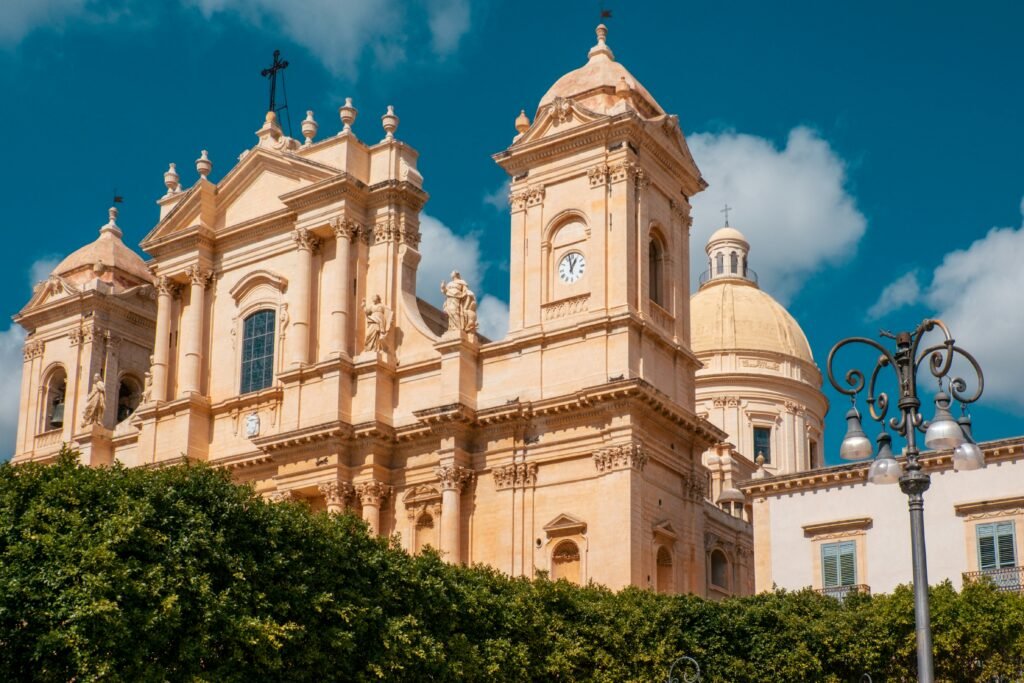
Do I need a car in Sicily?
The short answer is: it depends entirely on your itinerary. If you are spending a week in Palermo and Taormina with a day trip to Cefalù, you do not need a car. If you want to reach the Valley of the Temples at your own pace, find a quiet beach cove in Trapani province, drive up to Erice at sunset, or explore the interior hill towns on your own schedule — you need a car. Most Sicilian trips fall somewhere in between, and understanding the tradeoffs clearly will save you both money and frustration.
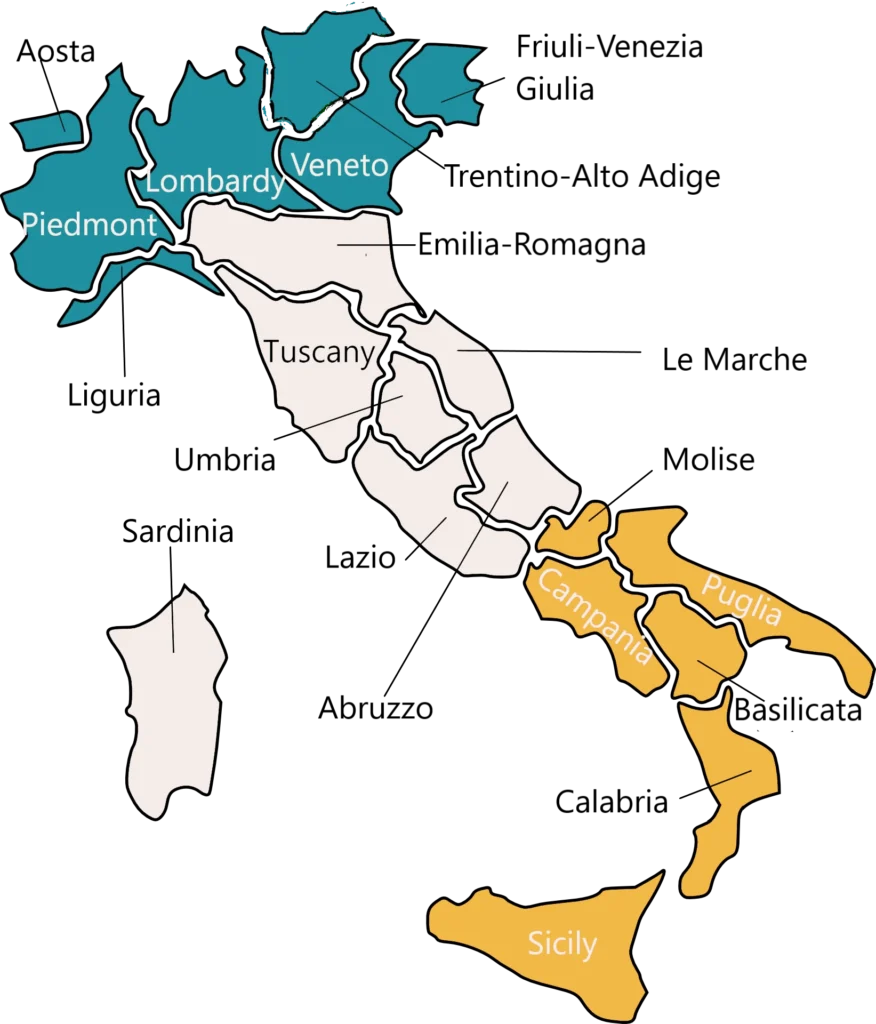
Sicily has public transportation — buses and a limited train network — but it is designed primarily for Sicilians commuting between major cities, not for tourists wanting to explore the island freely. The trains are slow, infrequent outside the main corridor, and simply do not serve most of the places that make Sicily worth visiting. The buses are better but still leave huge gaps. This guide lays out exactly what you can and cannot do without a car, and what your options are either way.
What You Can Do Without a Car in Sicily
It is possible to have an excellent Sicilian trip without a rental car if you plan your bases carefully. The key is staying in cities that are directly connected to other places worth visiting, and accepting that some of the island’s best experiences will not be accessible to you.
The Main Train Corridor
Sicily’s main train line runs roughly east to west along the northern and eastern coasts: Palermo – Cefalù – Messina – Taormina/Giardini Naxos – Catania – Syracuse. Trains on this corridor run throughout the day, the journey times are reasonable, and the stations are generally well-located relative to the towns they serve. If your itinerary follows this corridor — Palermo, Cefalù, Taormina, Catania, Syracuse — you can absolutely do it by train.
There is also a direct train from Palermo to Agrigento that takes about 2 hours — useful but slow, and it deposits you in the lower part of the city, a significant walk or taxi ride from the Valley of the Temples. Palermo to Trapani is also served by train (1h 45min) and by bus (more frequent and faster). The train from Catania to Syracuse takes about 1 hour and 20 minutes and is a good option for that stretch.
City-Only Itineraries
Palermo is thoroughly walkable in the historic center and well-served by local buses to the neighborhoods that are not. The main sites — the Palatine Chapel, the markets of Ballarò and Capo, the Quattro Canti, the Vucciria, the Oratorio di San Lorenzo — are all within a reasonable walk of each other. Getting to Monreale (the stunning Norman cathedral and mosaics in the hills above the city) requires a local bus or taxi but is easy without a car.
Taormina is actually one of the best places in Sicily to be without a car — the old town is closed to traffic and its hilltop position means parking is a nightmare for drivers anyway. You arrive by bus from the Giardini Naxos train station (a 15-minute ride), walk everywhere in the old town, and take the cable car down to Isola Bella beach. Day trips to Etna are possible by organized tour or by the Circumetnea railway from Catania. Beaches near Taormina.
Syracuse and Ortigia are excellent without a car. The island of Ortigia — the historic heart of the city — is small and walkable. The mainland archaeological park of Neapolis (the Greek theater and the Ear of Dionysius) is a short bus or taxi ride from Ortigia. The beaches of the Syracuse province are harder to reach without a car, but the city itself and its archaeological highlights are fully accessible.
What You Miss Without a Car
This is the real answer to the question, and it is significant. Renting a car does not just make Sicily more convenient — it unlocks a completely different version of the island.
The Beaches
Sicily’s best beaches are almost entirely inaccessible by public transport. The white sand and turquoise water at San Vito Lo Capo requires a car (or a very slow and infrequent bus). The dramatic white limestone cliffs of Scala dei Turchi near Agrigento have no practical bus service to the beach itself. The Zingaro Nature Reserve — a protected coastal reserve with pristine coves between Scopello and San Vito Lo Capo — is reachable only by car. The Egadi Islands (Favignana, Levanzo, Marettimo) require a ferry from Trapani, which is easy to reach but assumes you are already basing yourself in Trapani province. Most of the best beach coves in Sicily are down roads that buses simply do not serve.
The Interior Hill Towns
Some of the most memorable places in Sicily are small hilltop towns in the interior — Erice (above Trapani, with its medieval streets and fog-wrapped fortress), Piazza Armerina (home to the Villa Romana del Casale with its extraordinary Roman mosaics), Ragusa Ibla and Modica in the Baroque southeast, Caltagirone with its famous ceramic staircases. These places are connected by infrequent buses — possible in theory, but in practice they require significant planning, long layovers, and accepting that you can only see one place per day. By car they become effortless.
The Valley of the Temples, Properly
The Valley of the Temples at Agrigento is one of the best ancient sites in the world, and it is reachable by train — but the experience is much better with a car. The site is large, spread along a ridge south of the modern city, and the best visit involves arriving early, walking the full archaeological ridge, and then driving directly to Scala dei Turchi (about 15km away) for an afternoon at one of Sicily’s most spectacular beaches. Without a car, you get the temples but miss the combination, and the logistics of getting between the site and the beach by taxi add cost and complexity.
Western Sicily
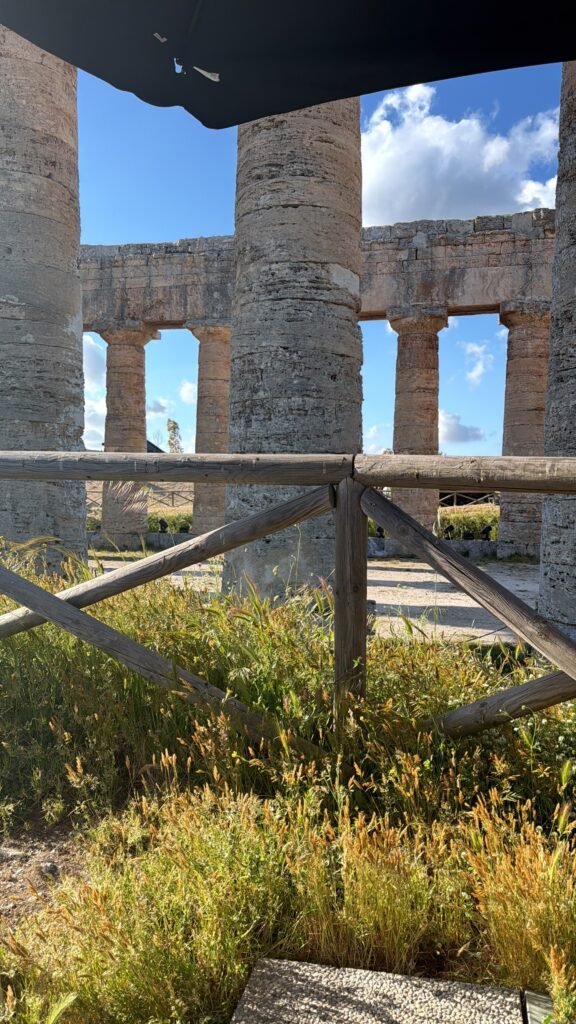
The western tip of Sicily — the area around Trapani, Marsala, Mazara del Vallo, Selinunte, and the salt pans of Saline dello Stagnone — is one of the most beautiful and distinctive parts of the island, and it is essentially a car destination. The train reaches Trapani and Marsala but not the sites in between. Driving through the salt pans at sunset, stopping at Selinunte’s enormous Greek temples on a headland above the sea, visiting the wineries of the Marsala and Alcamo areas — all of this requires a car.
Sicily’s Bus Network
Sicily’s intercity buses are run by several private companies and are generally faster and more useful than the trains for cross-island connections. The main operators are Autolinee di Sicilia, Interbus, and SAIS Autolinee. The Palermo–Catania express bus (operated by Interbus and others) is one of the most useful routes: it takes about 2 hours 45 minutes on the motorway and runs multiple times a day, far faster than the train. Palermo to Trapani by bus takes about 1 hour 45 minutes.
The limitation of the bus network is the same as the train: it serves city-to-city routes efficiently but does not reach the beaches, small towns, and rural sites that define the best Sicilian experiences. Bus schedules also change seasonally — some routes that run several times a day in summer drop to one or two daily runs outside peak season, and Sunday service is often severely reduced or nonexistent.
When You Should Definitely Rent a Car
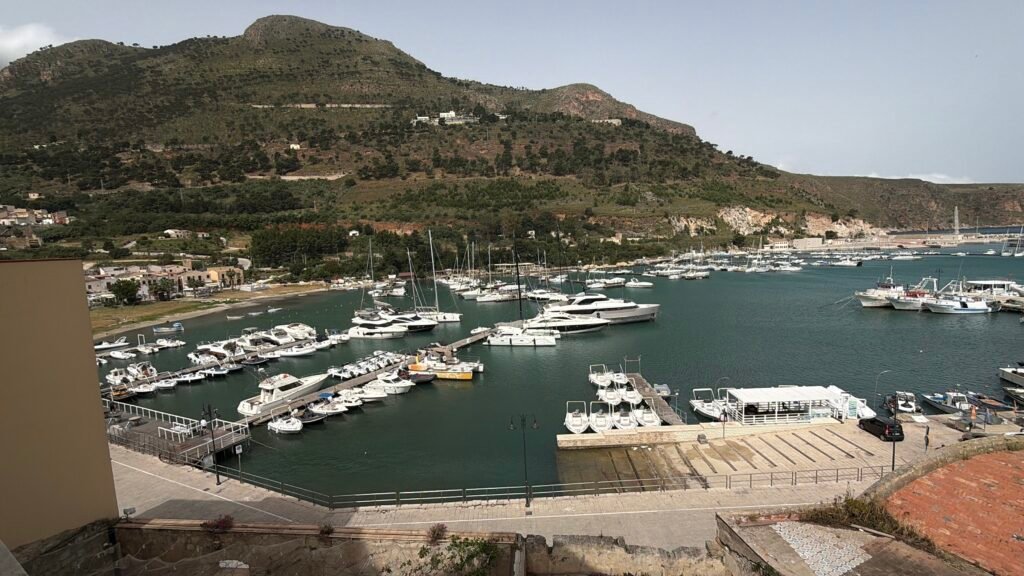
Rent a car if your itinerary includes any of the following: western Sicily (Trapani, Marsala, San Vito Lo Capo, Zingaro, Selinunte), the Baroque southeast (Ragusa, Modica, Noto, Scicli), the interior hill towns (Erice, Piazza Armerina, Caltagirone), a focus on beaches beyond the main resort beaches, Mount Etna in any depth beyond the standard tourist excursion; or if you want the freedom to leave a place when you want rather than when the next bus departs.
The practical reality is that most people who visit Sicily want to see more than just the main cities, and for that a rental car is the right choice. The roads outside the cities are generally good — the autostrade are fast, and even the secondary roads in the interior are better maintained than visitors often expect. Traffic in Palermo city center is chaotic and parking is difficult, but once you are outside the major cities driving in Sicily is genuinely enjoyable.
Renting a Car in Sicily: The Basics
Where to pick up: Palermo Falcone-Borsellino airport (for western Sicily and the north) and Catania Fontanarossa Airport (for the east, Etna, and the Baroque southeast) are the two main car rental hubs. Both have all the major international agencies plus local Sicilian rental companies. Picking up at the airport means you have the car immediately on arrival and do not have to return to the airport to collect it later.
Transmission: Automatic cars are available in Sicily but cost more than manual. If you can drive a manual, the selection is much wider and prices are significantly lower — especially outside peak season. In July and August, automatic cars book out early; if you want one, reserve well in advance.
Check out Discover Cars for great deals.

Car size: Smaller is better in Sicily. The streets in hilltop towns and medieval centers are narrow — sometimes genuinely narrow, with wing-mirror-brushing stone walls on both sides. A small or compact car (a Fiat 500, a VW Polo, a Ford Fiesta-class vehicle) is far easier to handle in these conditions than a mid-size or larger car. The only reason to go larger is if you have multiple people and significant luggage.
Driver’s license: A US driver’s license is technically valid in Italy for short-term rental. However, most car rental companies in Sicily recommend — and some now require — an International Driving Permit (IDP) alongside your US license. An IDP is inexpensive and easy to obtain through AAA in the US before your trip. For our full guide to renting as an American traveler, see renting a car in Sicily.
Book early: In July and August, Sicilian rental cars sell out — particularly the smaller models and automatics. Prices also spike significantly in peak summer. Booking 6–8 weeks ahead for a summer trip is not excessive; for late June through early September, the earlier the better.
The Verdict: Do You Need a Car in Sicily?
| Trip type | Car needed? | Why |
|---|---|---|
| Palermo + Cefalù + Taormina only | No | All connected by train; Taormina better without a car |
| Palermo + western Sicily (Trapani, Marsala, beaches) | Yes | Western coast and beaches not accessible by public transit |
| Catania base + Etna + Syracuse + Baroque southeast | Recommended | Trains reach Catania and Syracuse; interior towns and beaches need a car |
| Palermo + Agrigento + Valley of Temples + beaches | Yes | Getting between archaeological sites and beaches requires a car |
| Full island circuit (1–2 weeks) | Yes | Any itinerary covering multiple regions needs a car for flexibility |
| City break (Palermo or Catania only) | No | Both cities walkable with good local transport |
For most visitors who want to see a range of what Sicily offers — a combination of cities, archaeological sites, beach days, and at least one hill town — renting a car is the right decision. The freedom to leave when you want, stop where you want, and reach places that are simply off the public transit map makes the trip significantly better. The only situation where skipping the car makes clear sense is a city-focused itinerary on the northern coast corridor, where the train connects everything you want to see.
For more on planning your trip, see our guides to getting around Sicily without a car, where to stay in Sicily if you are not renting, and the 5-day Sicily itinerary for a framework that works with or without a rental.