Is Catania safe? The short answer is yes — Catania is a safe destination for tourists, visited by hundreds of thousands of travelers every year without incident. Like any large city, it has rough edges and areas that reward awareness, but nothing that should put off an informed visitor.
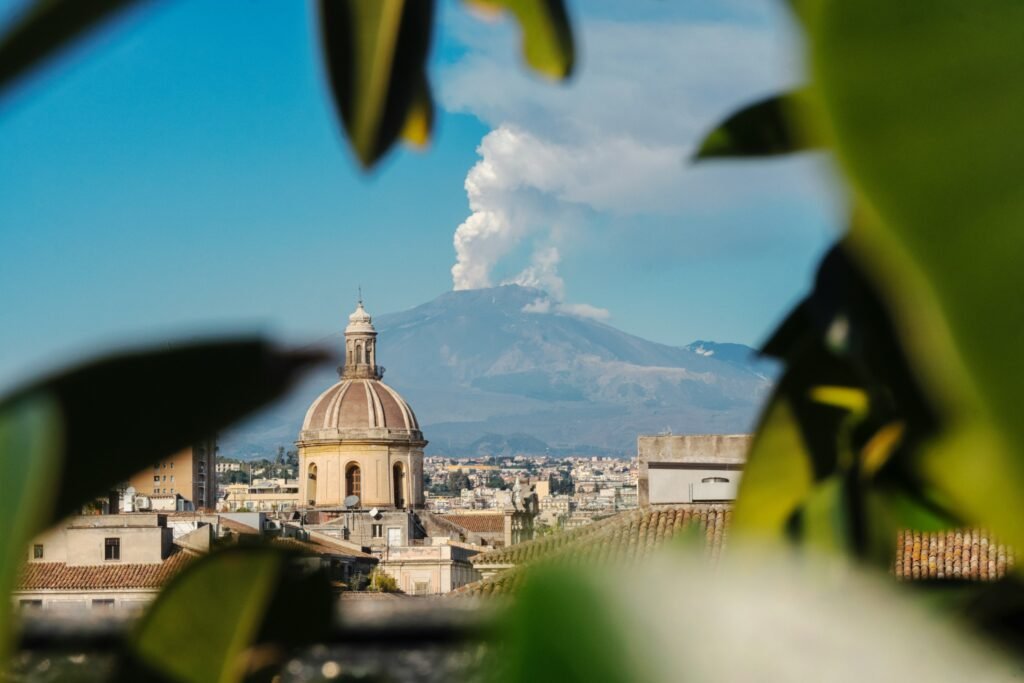
Catania is Sicily’s second-largest city, a UNESCO-listed baroque masterpiece rebuilt in gleaming white lava stone after the catastrophic 1693 earthquake, and the main gateway to Eastern Sicily. Its reputation can lag behind the reality — the city has a grittiness that some mistake for danger, but most visitors who come with open eyes leave utterly charmed. Here is everything you need to know about staying safe in Catania.
Is Catania Safe for Tourists?
Yes. Catania is generally safe for tourists. The vast majority of visitors experience nothing more concerning than enthusiastic traffic and the occasional over-eager street vendor. Violent crime targeting tourists is extremely rare. The main risks — as in most southern European cities — are petty theft, bag snatching, and minor scams, all of which are easily avoided with basic street-smart precautions.
Catania scores similarly to other major southern Italian cities on safety indices, and its tourist areas — Piazza del Duomo, Via Etnea, the fish market, and the historic center — are well-frequented and generally safe during the day and evening. The city has a significant student population (the University of Catania is one of Italy’s oldest), which brings life and energy to the streets late into the night.
Catania has a grittiness that some mistake for danger — but most visitors who arrive with an open mind leave completely won over by its energy, food, and baroque grandeur.
Safest Areas in Catania for Tourists
Historic Center (Centro Storico)
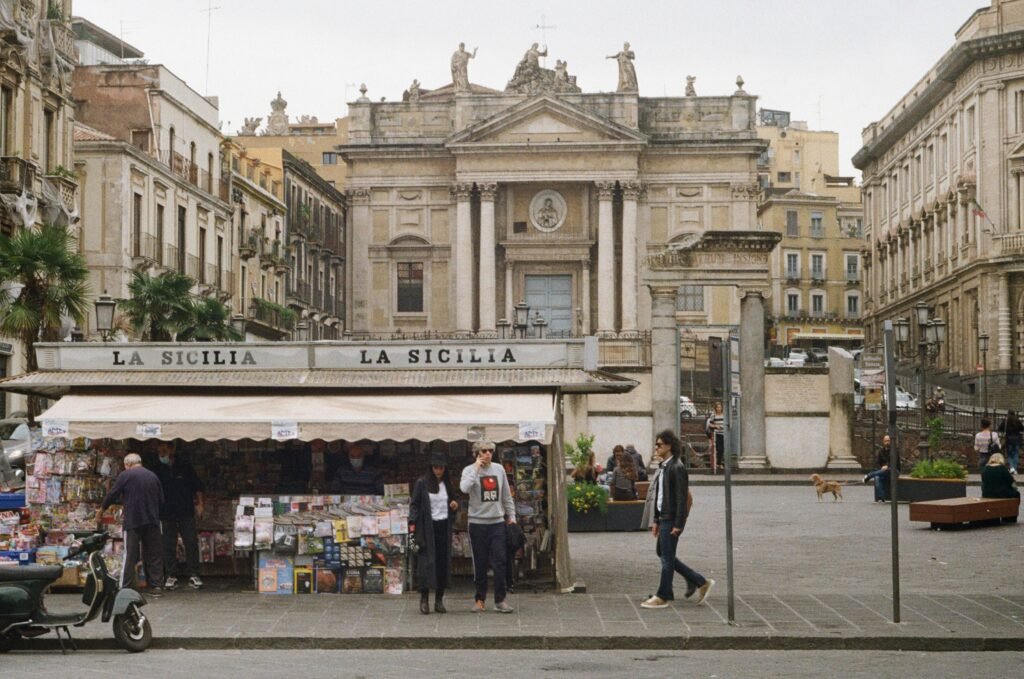
The area around Piazza del Duomo, Via Etnea, and Via Crociferi is the tourist heart of Catania and is safe and well-lit at all hours. This is where you want to be based — close to the fish market, the baroque churches, the best restaurants, and the main shopping street. It is lively until late in the evenings, particularly in summer.
Via Etnea Corridor
Catania’s main street, running north from Piazza del Duomo straight towards Etna, is the city’s spine and its safest, busiest artery. The whole stretch is lined with cafes, shops, and gelaterie. The northern end around Piazza Stesicoro and the Villa Bellini gardens is particularly pleasant and entirely safe for an evening stroll.
Ognina & Waterfront
The Ognina neighborhood, north of the center along the coast, is a pleasant residential area with restaurants and a small harbor. It is very safe and popular with both locals and visitors looking for a quieter base. The waterfront promenade is busy with joggers and families in the evenings.
Areas to Be More Aware In
San Cristoforo & Librino
San Cristoforo (southwest of the center) and Librino (a large peripheral housing estate to the west) are deprived neighborhoods with higher petty crime rates. Tourists have no reason to visit either — they contain no sights and are well away from the tourist trail. If you pass through by accident, apply the same awareness you would in any urban neighborhood.
The Fish Market (La Pescheria) Area
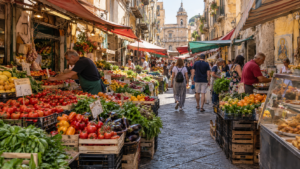
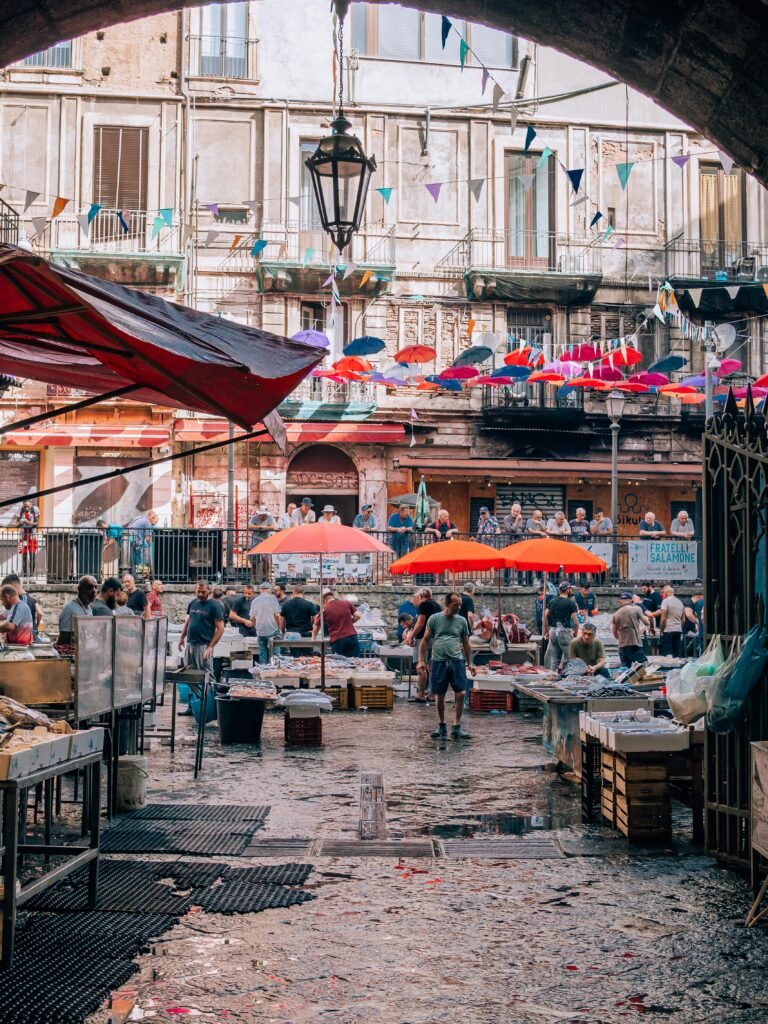
Catania’s extraordinary fish market — one of the most visceral and theatrical in all of Italy — is completely safe and a must-visit. However, it is a favourite spot for pickpockets who target distracted tourists. Keep your bag in front of you, your phone in your pocket, and your wits about you in the crush. The market itself is bustling, boisterous, and absolutely brilliant.
Check out is Rome Safe?
Is Catania Safe for Solo Travelers?
Yes, Catania is very manageable for solo travelers. The historic center is compact and walkable, hostels and B&Bs are social and welcoming, and the bar and restaurant culture means it is easy to meet people. The main risk is distraction — when alone, you may be more obviously a tourist, so keep valuables secure and stay alert in crowded spots like the markets and public transport.
Is Catania Safe for Solo Female Travelers?
Generally yes. Solo women travel to Catania routinely without problems. As in the rest of southern Italy, you may occasionally receive more attention than you’d like—catcalling is not unheard of in the evenings—but threatening behavior is rare. Standard precautions apply: avoid poorly lit streets alone late at night, keep your bag secure in crowded areas, and trust your instincts. Staying in central, well-reviewed accommodation makes a significant difference.
For broader context on safety across the island, see our guides to is Sicily safe and is Palermo safe.
Is Catania Safe for Families?
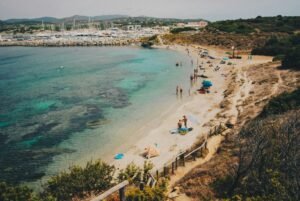
Catania is a very family-friendly city. Italians are genuinely warm towards children, and the combination of great food, baroque architecture, beach access, and easy Etna day trips makes it an excellent family base. The beaches near Catania are calm and well-equipped with lidos. Traffic can be chaotic — hold children’s hands near roads — but overall the city is welcoming and safe for families with children of all ages.
Common Scams in Catania
- Inflated taxi fares — Always use metered taxis or agree a price first. Use official white taxis from the rank at the airport or station. The app itTaxi works well in Catania.
- Unsolicited “gifts” — Someone offers a flower or friendship bracelet, then aggressively demands money. Decline firmly and walk away.
- Distraction theft — One person distracts you while an accomplice picks your pocket. Stay aware when approached by strangers in busy areas.
- Fake police — Rare but reported: someone claiming to be plain-clothes police asking to inspect your wallet. Real police carry visible ID and don’t handle your cash. Ask them to accompany you to a police station if in doubt.
- Restaurant overcharging — Check menu prices and query items you didn’t order. The coperto (cover charge, €1–3 per person) is standard and legitimate.
Transport Safety in Catania
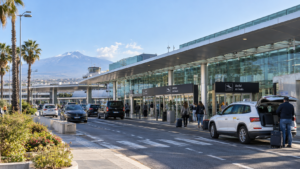
Catania’s small metro (2 lines) and city buses are safe and used daily by locals. Pickpocketing on public transport is the main risk — keep bags in front of you and phones out of sight on crowded vehicles. The central train station area can feel chaotic at peak times but is not dangerous. Catania Fontanarossa Airport (CTA) is well-organised and safe. The Alibus shuttle (€4) runs directly to the centre. For full airport info see our guide to airports in Sicily.
Is Catania Safe at Night?
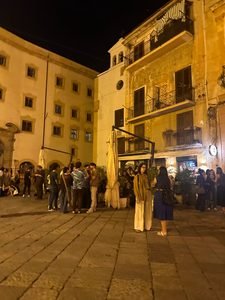
The historic centre is lively and safe well into the early hours, particularly around the university bars on Via Crociferi. Catania has a genuine nightlife scene — students keep the city alive until 2am or later on weekends. Stick to the well-lit, populated streets of the centre, take a taxi back if venturing any distance, and you will have no problems.
Is Driving in Catania Safe?
Driving in Catania requires confidence and patience. Sicilian drivers are expressive — lane markings are treated as suggestions, scooters appear from unexpected angles, and roundabouts operate on instinct. That said, it is no more dangerous than driving in Naples or Palermo, and millions of tourists hire cars here each year without incident. The main practical risks are parking with valuables visible (never do this) and getting caught in the one-way street maze of the historic centre. If picking up a hire car, consider heading straight to Taormina, Etna, or the baroque towns rather than navigating the centre by car.
Catania vs Palermo: Which is Safer?
Both cities are safe for tourists with the same basic precautions. Palermo’s neighborhoods range more dramatically, from polished tourist centers to genuinely deprived areas. Catania is more compact and its historic centre more consistently managed. Day-to-day for a tourist staying in the centre of either city the experience is broadly similar: occasional petty theft risk, lively nightlife, wonderful food, and warm hospitality. Neither city deserves a reputation for being dangerous to visitors. See our full guide to is Palermo safe for comparison.
Emergency Numbers & Healthcare in Catania
- Emergency (Police, Ambulance, Fire): 112 (pan-European, English operators available)
- Ambulance only: 118
- Main hospital: Ospedale Garibaldi-Centro, Piazza Santa Maria di Gesù
- Tourist Police (for theft reports): Via Nuovaluce 33, Catania
EU citizens should carry their EHIC/GHIC card. Non-EU visitors should ensure they have comprehensive travel insurance covering medical costs. Pharmacies (green cross) are well-stocked, and pharmacists are knowledgeable — for minor ailments, the farmacia is often the quickest solution.
Top Safety Tips for Visiting Catania
- Use a crossbody bag — particularly at the fish market and on public transport. Keep it zipped and in front of your body.
- Don’t leave valuables in a parked car — car break-ins happen in any Italian city. Leave nothing visible on the seats.
- Book accommodation centrally — being in the historic center means you can walk everywhere safely. Read our guide to where to stay in Catania for neighborhood advice.
- Use ATMs inside banks — cover the PIN pad and be aware of your surroundings.
- Have travel insurance — always. Italy has excellent healthcare, but insurance covers theft, cancellations, and emergencies.
Using Catania as a Base
Catania is one of Sicily’s best bases for eastern Sicily. From here you can reach Taormina in under an hour by train, the slopes of Mount Etna in 45 minutes, and the baroque towns of Noto, Ragusa, and Modica within 90 minutes. See our guide to the best day trips from Catania for a full rundown.
The Verdict
Catania is safe, vibrant, delicious, and strikingly beautiful. It is louder and rougher around the edges than Taormina, but that is precisely what gives it authenticity. Apply the same common sense you would in any major city, stay in the historic center, and you will leave wondering why Catania doesn’t get more attention.