Sicily has a version most visitors never see, and it belongs to October. By the first week of the month, the July and August crowds have largely gone home, temperatures have dropped from brutal to pleasant, and the island itself has shifted into a different rhythm. Markets fill with the season’s harvest. Wine is being made. Festivals that have nothing to do with tourism and everything to do with local tradition appear in town squares across the island. This is Sicily at a pace that rewards being there, not just moving through it.
Is Sicily Worth Visiting in October?
Yes, comfortably. October sits in a sweet spot for Sicily travel: the weather is warm without being oppressive, the major sites are less crowded, accommodation prices are lower than peak season, and the island’s food culture is at a seasonal high point with harvests underway across the island. Anyone who has visited in August and found the heat exhausting or the crowds frustrating will find October a significant improvement on both counts.
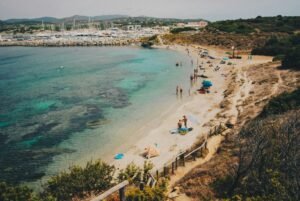
The main trade-off compared to summer is that the beach season winds down through October. Early October is still good for swimming on the south and east coasts, but by late October most beach clubs have closed, and the water, while not cold, is not warm enough for most people. If a beach holiday is the main goal, early October gives you that option; if you are there for culture, food, and landscapes, October is arguably the best month on the calendar.
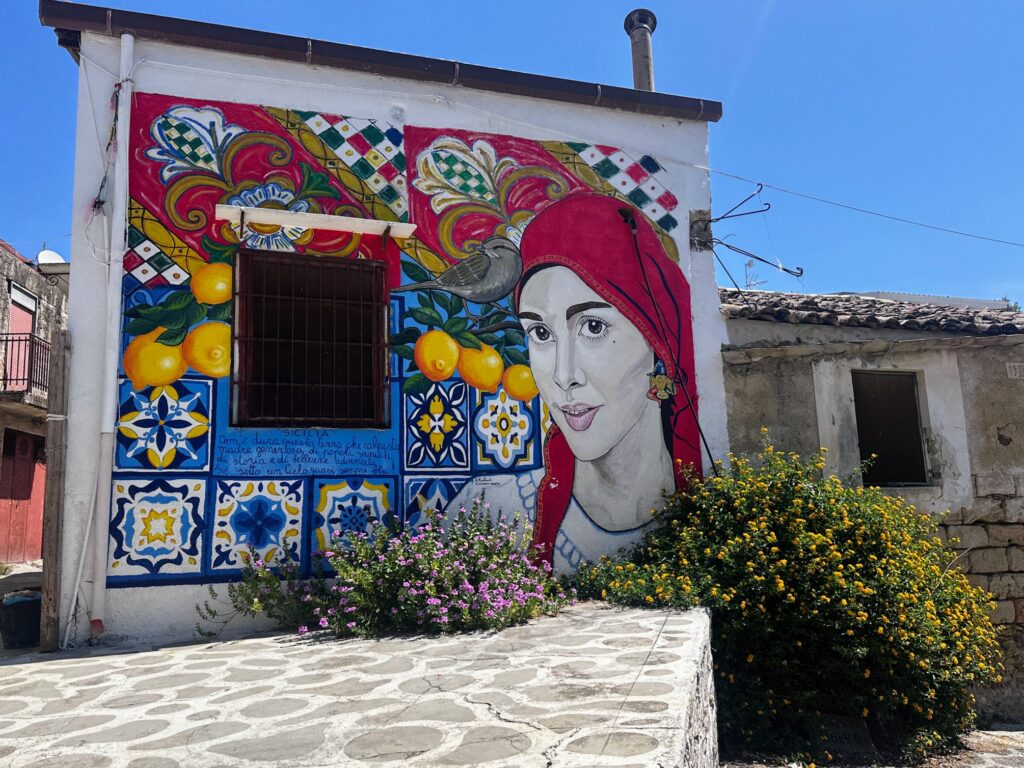
Weather in Sicily in October
October brings a noticeable shift from the extreme heat of summer, but Sicily stays warm well into the month. Average daytime highs run between 22°C and 26°C (72°F to 79°F) in the first two weeks, dropping to 18°C to 22°C (64°F to 72°F) by the end of the month. The south and east coasts tend to stay warmer longer than the north and the interior, and Palermo and Catania are generally a degree or two warmer than hill towns like Ragusa or Piazza Armerina.
Rain increases in October compared to the dry summer months, but it remains manageable. Sicily’s October weather tends toward short, intense afternoon showers rather than prolonged grey days. Most mornings are clear and sunny. The interior and the north of the island receive more rain than the south, so if October weather is a concern, the Agrigento, Ragusa, and Syracuse areas are the most reliably dry.
Sea temperatures in October hover around 22°C to 24°C (72°F to 75°F) in the first half of the month, which is comfortable for swimming. By late October the water cools to around 20°C (68°F), which is still swimable for many people but marks the end of beach season for locals. The south coast around Agrigento and Sciacca tends to stay warmer than the north coast.
What to Pack for October: Light clothing for daytime (t-shirts and light trousers or dresses), a mid-layer for evenings (a light jacket or cardigan), and one layer that can handle rain. Evenings cool down noticeably, especially in rural areas and at higher elevations like Taormina and Etna. By mid-month, comfortable walking shoes are more useful than sandals.
Best Areas to Visit in October (and Where to Stay)
Taormina
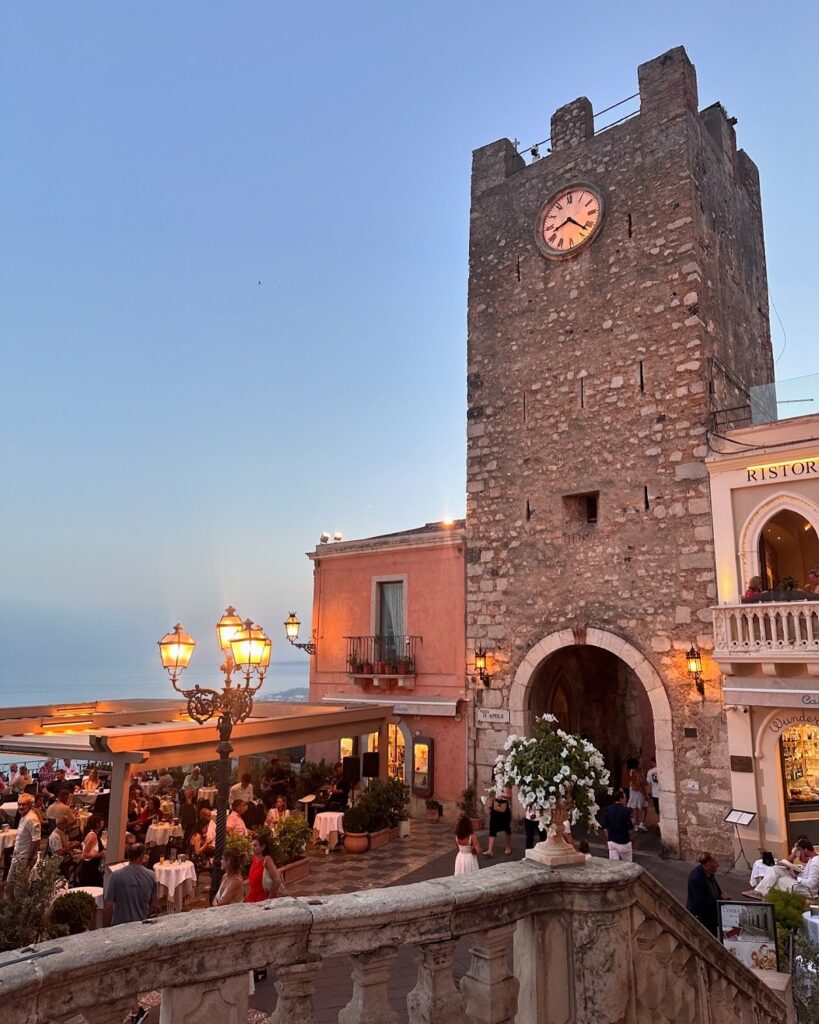
Taormina in October feels different from the summer version. The town still looks the same, but the streets are walkable at a human pace, the restaurants have space, and the views from the Greek Theater feel like they belong to you rather than to a tour group. The temperature is ideal for walking, and the drive up into the hills above town for views over the bay is genuinely beautiful in fall light. Taormina is where many people find the Sicily of their imagination, and October is the month to actually find it.
Where to stay: the town itself has the best range of accommodation and is worth the premium over the beach area below. If you want easy beach access for early October swimming, the Mazzarò area at the base of the cable car is convenient, but staying in Taormina proper gives you the historic center on your doorstep. Check out Where to Stay in Taormina.
Syracuse and Ortigia
Syracuse is arguably at its best in October. The baroque island of Ortigia, connected to the mainland by two short bridges, is one of Italy’s most beautiful historic centers, and walking its narrow streets in warm fall weather without crowds is a strong case for October travel. The Greek Theater and the Ear of Dionysius archaeological park are far more enjoyable when you can move through them without being shoulder to shoulder with other visitors. The sea around Ortigia is still warm in early October, and the seafront is pleasant for evening walks throughout the month.
Where to stay: staying on Ortigia itself is the right choice. The island is small and walkable, and being there in the evening when the day-trippers have left gives you a completely different atmosphere. The area around Piazza del Duomo has the best concentration of good hotels.
Ragusa and the Southeast
The southeastern corner of Sicily, centered on Ragusa Ibla and including Modica, Noto, and Scicli, is a UNESCO-listed baroque territory and one of the island’s most visually cohesive areas. October is ideal here: the light is warm and golden, the streets are quiet, and the towns have the kind of lived-in quality that is harder to appreciate in summer. Ragusa Ibla, in particular, the older lower part of the city built into the hillside, is somewhere you can genuinely lose an afternoon wandering without a plan.
Where to stay: Ragusa Ibla itself has the most atmospheric accommodation, though the range is limited. Noto is another strong base for exploring the southeast and has more hotel options. Both are within easy driving distance.
Mount Etna and Zafferana Etnea
October is one of the best months to visit Etna. The summer heat on the mountain has passed, the colors on the lower slopes shift to autumn golds and reds, and the chestnut and apple orchards around Zafferana Etnea are in full harvest. Hiking on Etna is comfortable in October, though the summit area can be cold and windy, so layers are essential if you are going above 2,000 meters. The Etna area is also where you will find the best new wine and funghi porcini of the season.
Where to stay: Nicolosi is the most practical base for Etna access, with a range of hotels near the main cable car departure point. Zafferana Etnea is a charming alternative with a more local atmosphere, especially during the Ottobrata festival weekends in October.
Palermo
Palermo is an all-year city, and October suits it well. The markets, the street food, and the baroque churches that define the city experience are all at their best when the temperature is comfortable enough to spend hours wandering on foot. Ballarò market in particular is more pleasant in October than in August, when the heat makes the crowded alleys genuinely uncomfortable. The Cappuccini Catacombs, Palazzo dei Normanni, and the Cappella Palatina are all accessible without peak-season waits.
Where to stay: the historic center is the right neighborhood. Staying near Via Maqueda or the Albergheria area puts the major sights and the markets within walking distance. Avoid accommodation near the port unless you specifically want the convenience of ferry connections. Check out Best Hotels in Palermo and Is Palermo Safe.
Agrigento and the Valley of the Temples
The Valley of the Temples is one of the most extraordinary Greek archaeological sites in the world, and October is a significantly better time to visit than summer. In July and August, the heat on the exposed hillside is brutal; in October, it is warm and pleasant. The temples themselves are unchanged, but walking between them in comfortable temperatures, without the crowds, feels genuinely different. The south coast around Agrigento is also one of the drier parts of the island in October.
October Festivals and Events in Sicily
Ottobrata Zafferanese (Zafferana Etnea)
The Ottobrata is Sicily’s best-known autumn festival and takes place every Sunday in October in the town of Zafferana Etnea, on the eastern slopes of Mount Etna. The festival celebrates the autumn harvest with stalls selling local products: honey, chestnuts, apples, mushrooms, wine from the Etna DOC area, olive oil, and artisan food from the surrounding region. It has run for decades and draws locals from across eastern Sicily and visitors who time their trip to coincide with it. The setting, a town square with Etna looming above it in autumn light, is hard to beat.
Each Sunday in October has a slightly different theme, usually tied to a specific local product (honey Sunday, mushroom Sunday, chestnut Sunday, or wine Sunday). If you can only go once, the last Sunday of the month tends to be the largest.
Vendemmia (Wine Harvest)
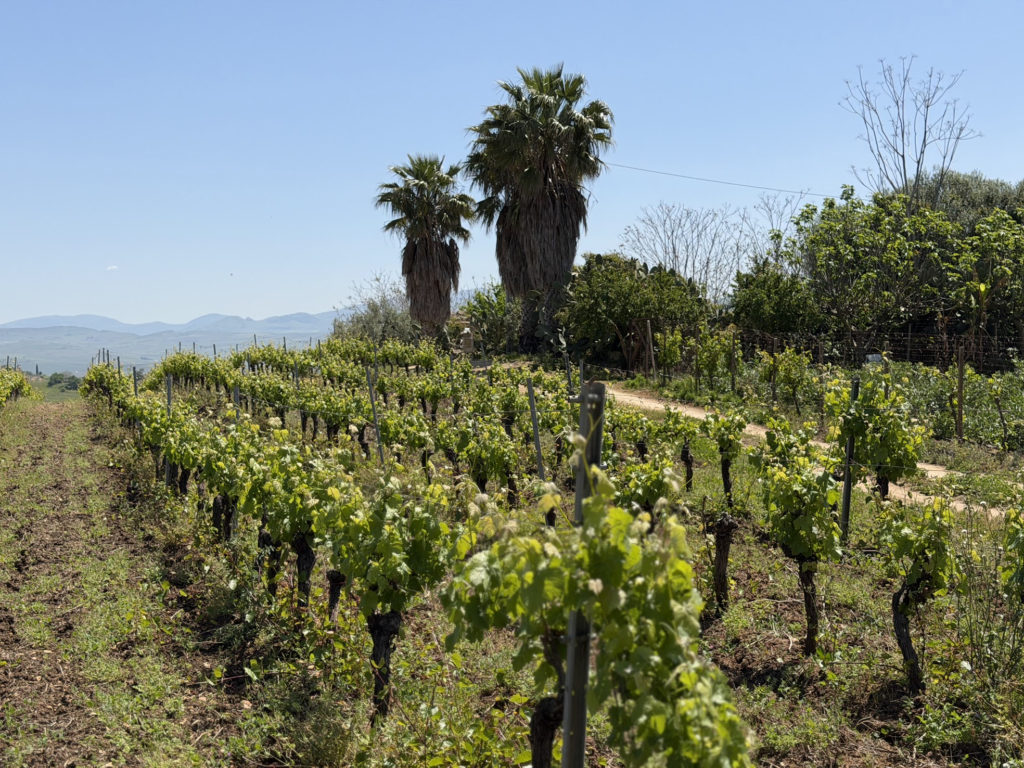
The grape harvest, or vendemmia, runs from late August through October depending on the grape variety and the elevation. By October, the harvest is in full swing at higher-elevation vineyards, particularly around the Etna DOC zone, where Nerello Mascalese grapes are among the last to be picked. Many wineries in the Etna,
Marsala and Vittoria areas welcome visitors during harvest, and some offer harvest participation experiences where you can pick grapes and see the winemaking process. This is not a formal festival so much as a season that happens across the island, but if wine is part of why you travel, October puts you at the center of it.
This year ( 2026 has been very hot) so the harvest has started earlier.
Sagre and Local Food Festivals
October brings a wave of local sagre (food festivals) to towns across the island. These are hyperlocal events, sometimes just a single day in a village square, celebrating a specific product: porcini mushrooms from the Etna or Nebrodi mountain areas, chestnuts from Castelbuono, ricotta from the interior, or wine from any number of the island’s DOC zones. The regional tourism board’s website and local comune (town hall) pages publish updated lists, but some of the best are discovered by simply being in the area and following the signs. Castelbuono in particular has a strong tradition of autumn sagre and is worth visiting in October for its own sake as one of the most charming towns in the Madonie mountains.
Olive Harvest
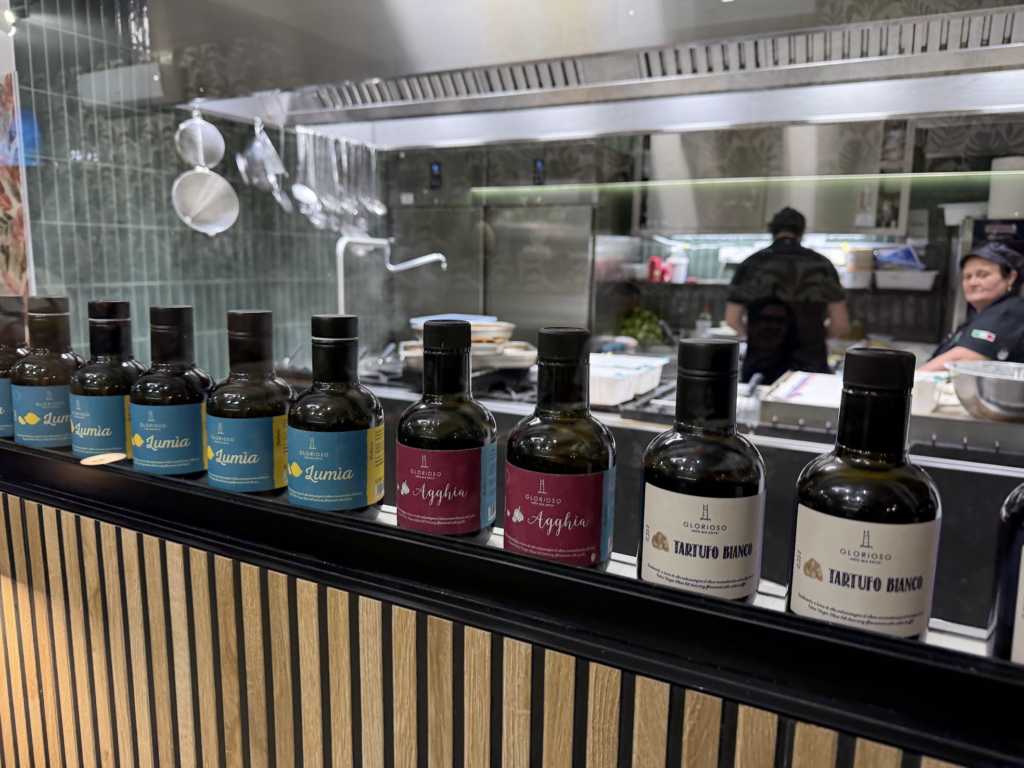
The olive harvest begins in October in many parts of Sicily, particularly in the interior and western areas around Trapani and Castelvetrano. Sicily is one of Italy’s largest olive oil producers, and new-season olive oil pressed in October and November has a quality and freshness that bottled oil sold year-round does not match. If you visit a masseria (farm estate) or agriturismo that produces its own oil, October is the time to taste it fresh from the press.
Food and Drink for Sicily in October
October is one of the best months to eat in Sicily. The combination of harvest season and the retreat of tourist-oriented menus means that what you find on restaurant tables and at market stalls reflects what is actually growing and being produced around the island.
Funghi Porcini
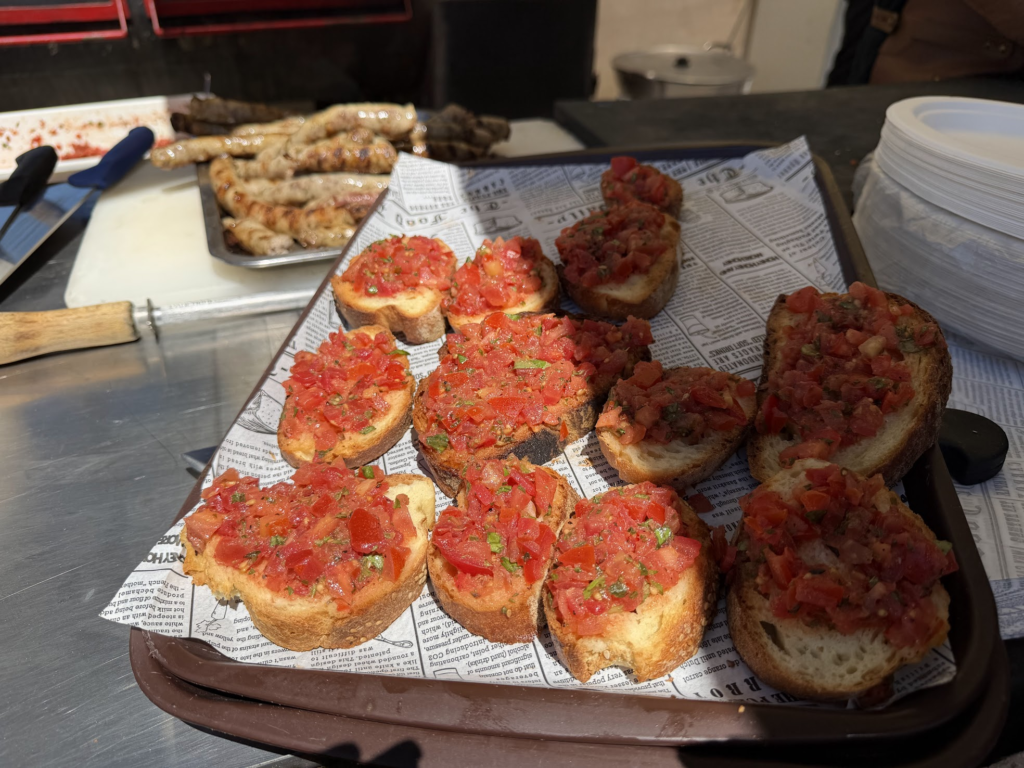
Porcini mushrooms come into season in October in the Etna, Nebrodi, and Madonie mountain areas. In the markets and on restaurant menus, you will find them grilled, in pasta, in risotto, and on bruschetta. Fresh porcini in season taste substantially different from the dried version available year-round, and October is when Sicilian cooks make the most of them. If you are in the Etna area, any trattoria worth visiting will have porcini on the menu in October.
Chestnuts
The chestnut orchards on the slopes of Etna and in the Nebrodi and Madonie mountain ranges come into harvest in October. Roasted chestnuts appear at market stalls and on street corners, and chestnut-based dishes show up on menus in the interior towns. Castelbuono, in the Madonie mountains, is particularly associated with chestnut culture and holds festivals celebrating the harvest.
New Wine and Etna DOC
Sicily has become one of Italy’s most respected wine regions over the past two decades, and the Etna DOC in particular has attracted international attention for its volcanic-soil reds made from Nerello Mascalese. October is when the harvest concludes and winemakers are at their most accessible. Visiting a winery on the Etna slopes in October, when the vines are changing color and the harvest is underway, is one of the better travel experiences the island offers. Planeta, Benanti, Cornelissen, and Passopisciaro are among the producers with visitor facilities, but the Etna slopes are dotted with smaller operations worth seeking out.
Street Food Classics
Sicily’s street food scene does not change with the seasons, and October is an excellent time to work through the classics without standing in line. Arancine (fried rice balls filled with meat ragu, cheese, or spinach) are found everywhere from Palermo to Catania. Panelle, chickpea fritters served in a sesame roll, are a Palermo staple. Sfincione, the thick Sicilian pizza topped with tomato, onion, and breadcrumbs, is sold from trays in Palermo’s markets. In Catania, pasta alla Norma, made with fried eggplant, tomato, and ricotta salata, is as central to the food identity as arancine are to Palermo. For the adventurous, pani ca meusa, a Palermo sandwich of fried veal spleen and lungs, is an experience worth having at least once.
Seasonal Produce
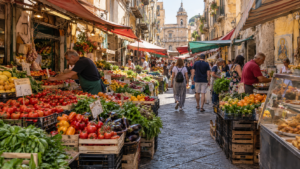
October markets are full of late-season figs, pomegranates, persimmons, and the last of the summer tomatoes alongside the new arrivals: chestnuts, quinces, and early citrus beginning in some areas. Sicilian markets in October have more variety than at almost any other time of year because the long growing season means summer and autumn produce overlap. Any morning spent wandering Ballarò in Palermo or the market in Catania’s Piazza Carlo Alberto in October shows the island’s food culture at its most diverse.
Planning Tip: If food and wine are a priority, build your October itinerary around the Etna area and the southeast. The Etna zone gives you harvest-season wine, porcini mushrooms, chestnuts, and the Ottobrata festival all within a small radius. The southeast (Ragusa, Modica, and Noto) adds chocolate (Modica is famous for its ancient-style chocolate), ricotta, and some of the island’s best cooking in general.
Also check out Sicily in September.
Frequently Asked Questions: Sicily in October
Yes, October is one of the best months to visit Sicily. Temperatures are warm and comfortable rather than oppressive, crowds have thinned significantly from summer peaks, accommodation prices are lower, and the island is in harvest season with festivals and seasonal food that are unavailable at other times of year. The main consideration is that beach season winds down through October, with early October still good for swimming but late October too cool for most.
In early October, yes. Sea temperatures around Sicily in the first two weeks of October average 22°C to 24°C (72°F to 75°F), which is warm enough for comfortable swimming. By the second half of October the water cools to around 20°C (68°F), which is on the border for most people. The south coast, particularly around Agrigento and Sciacca, tends to stay warmer longer than the north. Most beach clubs close between mid-October and the end of the month, but the sea itself remains accessible.
Noticeably less crowded than July, August, or September. The bulk of European summer tourism has ended by October, and while there is still a steady flow of visitors, the major sites are far more accessible. Taormina, which can feel overwhelmed in summer, is very manageable in October. The same is true for the Valley of the Temples and Ortigia in Syracuse. Weekends around the Ottobrata festival in Zafferana Etnea are an exception, as those draw large local crowds.
Noticeably less crowded than July, August, or September. The bulk of European summer tourism has ended by October, and while there is still a steady flow of visitors, the major sites are far more accessible. Taormina, which can feel overwhelmed in summer, is very manageable in October. The same is true for the Valley of the Temples and Ortigia in Syracuse. Weekends around the Ottobrata festival in Zafferana Etnea are an exception, as those draw large local crowds.
More than summer, but not dramatically. October marks the beginning of Sicily’s wet season, but most areas still average only 4 to 6 rainy days, often as short afternoon showers rather than full-day rain. The south and southeast of the island (Ragusa, Agrigento, Siracusa) are drier than the north and interior. Rain should factor into packing decisions but should not deter a visit.
The Ottobrata is an autumn harvest festival held every Sunday in October in Zafferana Etnea, a town on the eastern slopes of Mount Etna. Each Sunday celebrates a different local product: honey, mushrooms, chestnuts, wine, and other regional specialties. The festival has been running for decades and is one of the most authentic and well-attended local events in Sicily, popular with Sicilians from across the eastern half of the island. It is worth scheduling your trip around at least one Sunday there if you are visiting the Etna area in October.
Is Sicily cheaper in October than in summer?
Yes, considerably. Accommodation prices in October typically run 20 to 40 percent below July and August rates at most properties. Flights to Catania and Palermo are also cheaper outside the peak summer period. Some beach-facing properties and smaller seasonal hotels close entirely after mid-October, but the overall range of accommodation is still good, particularly in the main destinations like Taormina, Syracuse, Palermo, and the Etna area.
October is one of the best months for food in Sicily. The seasonal highlights are fresh porcini mushrooms from the Etna and mountain areas, roasted chestnuts, new-vintage wine from the Etna DOC and other wine zones, pomegranates, figs, and early citrus. Alongside the seasonal produce, the year-round classics are always worth prioritizing: arancine in Palermo and Catania, pasta alla Norma, fresh ricotta, cannoli, granita, and the street food of Palermo’s markets. In Modica, the ancient-style chocolate made without added cocoa butter is a specific experience worth seeking out.
Bottom Line: Sicily in October offers most of what makes the island worth visiting with few of the summer drawbacks. The heat is gone, the crowds are manageable, the prices are lower, and the food and wine calendar is at its most interesting. If you want to swim, go in early October. If culture, food, and landscapes are the priority, the whole month works and the Etna area in particular delivers something that has no summer equivalent.